Small Schools, Big Umbrella: Expanding, Defining and Scaling the Microschool Ecosystem

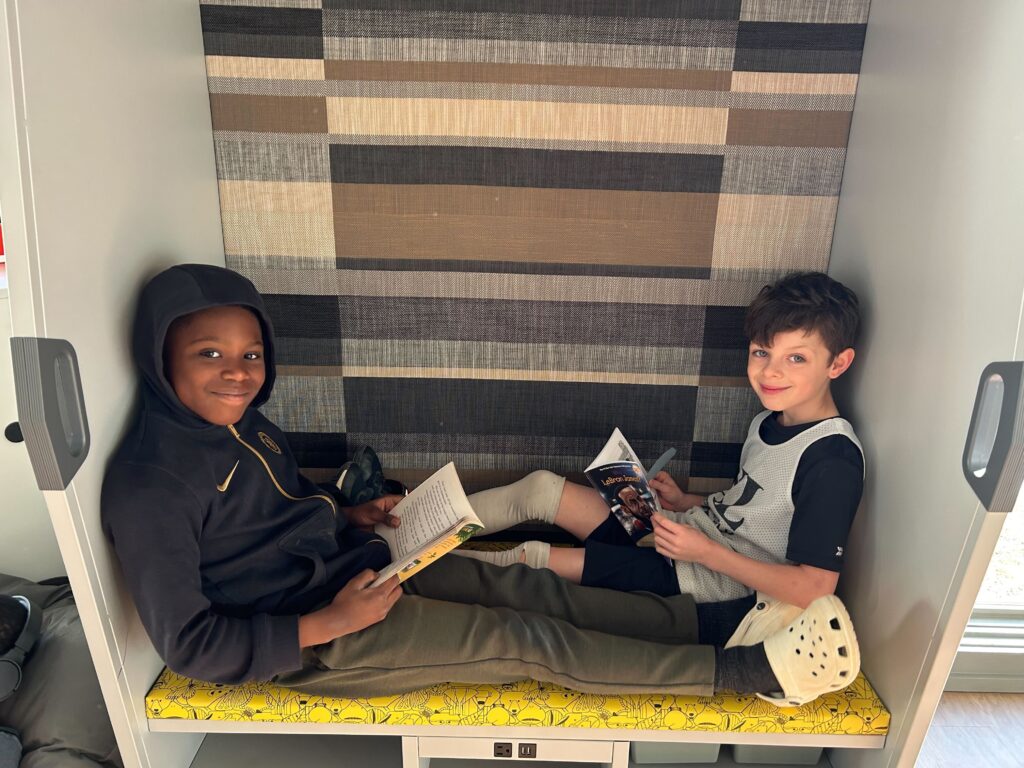
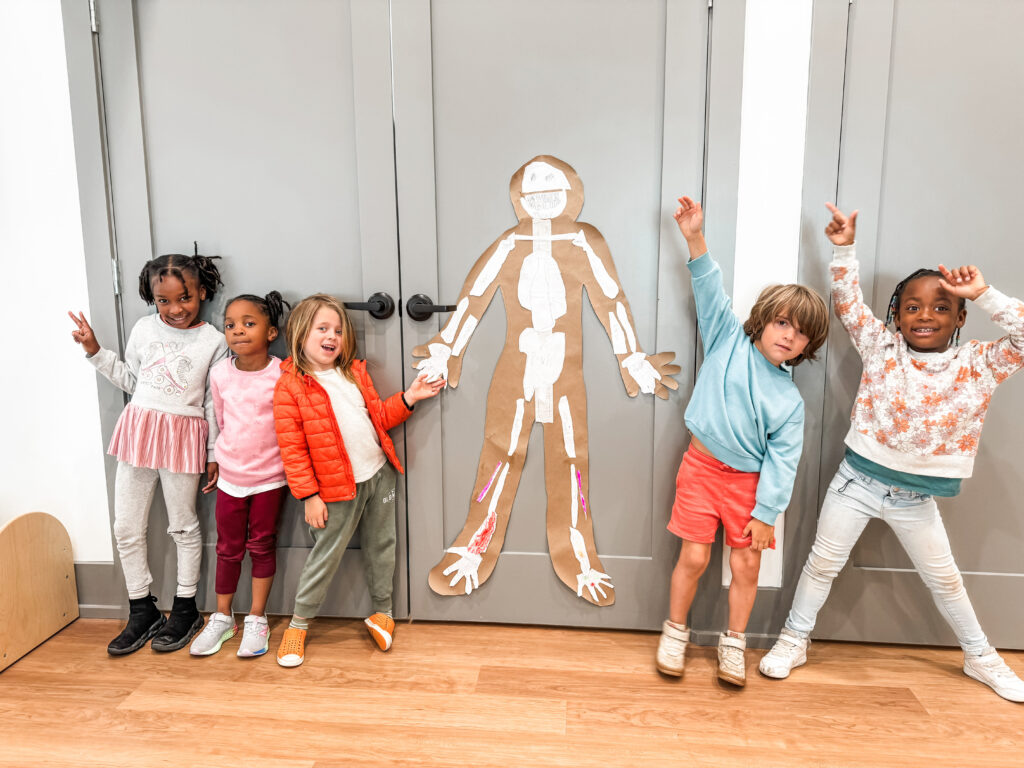
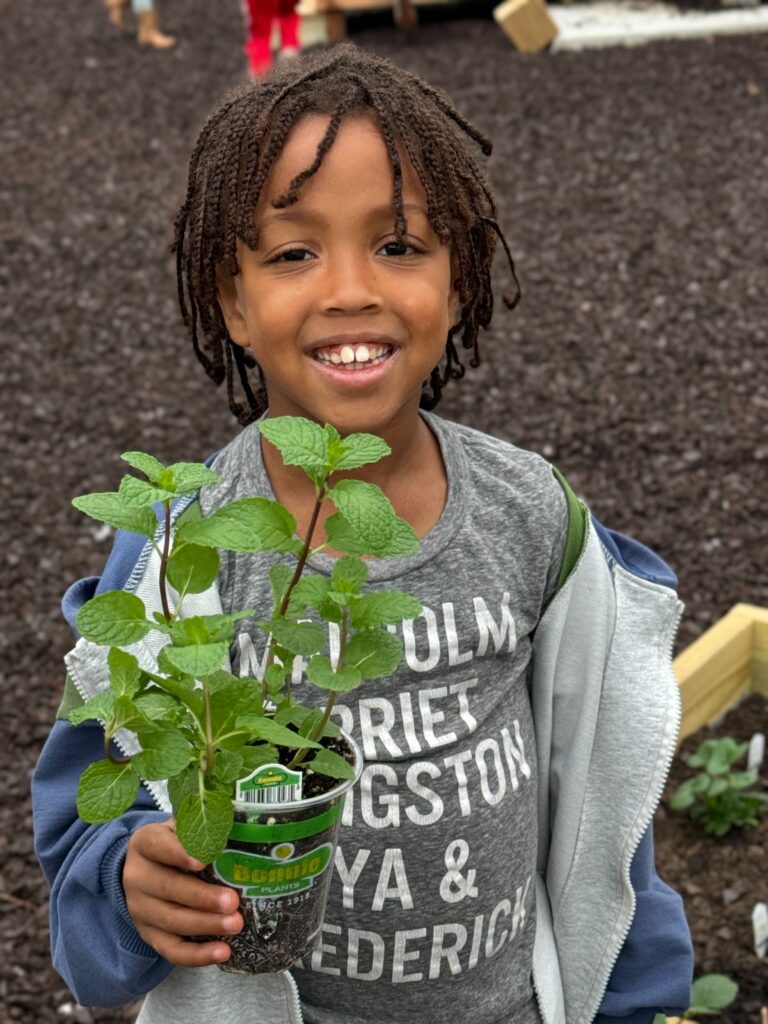
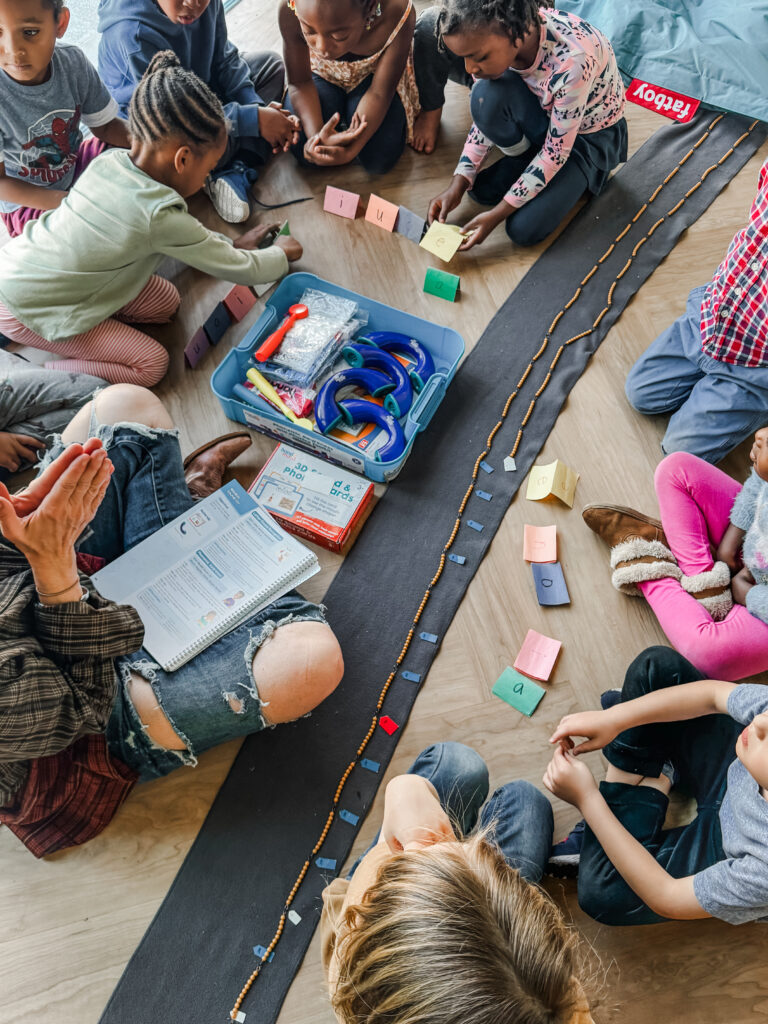
Microschools, while not a new concept, are currently garnering increasing attention as an educational innovation. Microschools are small learning environments with typically less than 150 students that offer personalized and student-centered learning experiences. Teachers hungry for more autonomy, families seeking personalized learning, and the constraints of education budgets are all fueling the demand for microschools. Last Fall, Getting Smart collaborated with the Walton Family Foundation on the Big Push for Small Schools grant program to foster a network of microschool leaders by offering grants to propel the development of these innovative learning spaces, focusing on operators looking to scale their high-quality models. Yet, the question remains: what does it mean to scale a microschool? And, how broad is the microschool landscape? 

Charting the Microschool Landscape

The microschool landscape has grown tremendously in both public and private sectors. Our early research classified microschools into four unique categories: operators, intermediaries, schools within schools or programs, and incubators. Through continued efforts within our microschool initiatives, we’ve identified a more complex ecosystem that exists with both the private and public sectors, as well as unique public-private partnerships. Additionally, homeschools and learning pods (multi-family) fall into the microschool landscape. While we have articulated a number of elements across the landscape, we also acknowledge the overlap in some of these models. By naming the elements within the landscape, all educators and parents can see opportunities for more options across all sectors to better serve their students and children.

Growth and Scaling Microschools

When we hear the term scaling as it relates to growth, we often loosely define it as simply expanding. Harvard’s business school defines scaling as “a business growing revenue more quickly than its costs” and growth as “the process of increasing revenues and resources at an even rate.” But how does that translate to microschools?

Growth in microschools refers to the process of increasing enrollment, resources, and educational offerings – usually at a single site. This might include adding more teachers, expanding facilities, or introducing new programs to meet the needs of a growing student population. 

Scaling in microschools involves expanding the reach and impact of the educational model while maintaining or improving the quality of education provided. This expansion might include impacting more students by increasing the number of campuses or developing partnerships with other educational institutions. 

As the demand for innovation and personalized learning options grows, so does the need for microschools. This demand can be met by both growth and scaling approaches.

Scaling Microschools in the Private Sector

A significant number of private microschools have launched over the last four years. Leading the charge in fostering the proliferation of microschools are organizations such as VELA, National Microschool Center, and Microschool Solutions, which stand as prominent networks of edupreneurs that offer alternatives to conventional schooling. Some of these microschool leaders want to expand their reach deep and not wide. Private-sector microschools can scale their model through decentralized or centralized networks. 

In decentralized networks, microschools codify their framework for replication by others. This form of scaling gives the school leader full autonomy of their own site while utilizing an existing framework. Although this type of scaling involves some risk in quality control, it provides leadership with autonomy to tailor a school model to the community it serves–a primary objective for many microschools. This idea of replicating a specific school model is not new (model-provider networks exist in both private and public sectors). Still, it has been adopted by microschools like Insight Colearning which joined the One Stone growth network as an entire replication site.

Other private microschools scaled their impact through more centralized efforts. This allows them to maintain the quality and assurance of their model by opening and operating multiple sites and building a centralized affiliate network. Notably, private model-provider networks or intermediaries like Prenda, Acton Academy, and Wildflower Schools operate in this way through direct operational support and sharing tools or resources. For example, growing networks like Primer are leveraging technology to share human capital across their network. 

Intermediaries can also function as operators. For instance, Kaipod is utilizing a hybrid learning model to grow and scale its model into a centralized network while also growing its network of decentralized affiliated schools and homeschooling cooperatives, referred to as learning partners.   

These private, microschool networks primarily utilize a tuition-based model, with some accessing public funds through Educational Savings Accounts (ESAs) or engaging in charter partnerships, like that seen between Sequoia and the Black Mothers Forums. While much attention has focused on these private-sector solutions, a robust microschool ecosystem has existed and continues to evolve in the public sector as well. 

Scaling Microschools in the Public Sector

Microschools in the public sector are not a new concept. These include the original one-room schoolhouses, existing rural schools, and the school within a school model. However, with the emerging growth of the private microschools sector, new models are surfacing and existing models are rebranding, utilizing microschools as platforms for researching, designing, and scaling equitable practices in the public sector.

We have also found that microschools can exist within a district to provide unique and niche offerings, similar to that of a magnet choice school. These program-specific models are designed to support niche offerings in the school that is not intended to scale throughout the district. EDGE High School (Liberty Public Schools, MO) and Iowa Big (Cedar Rapids, IA) both serve as specific programs within or across districts that are distinctly different from the other educational programs. 

R&D models are designed around a larger district’s intention for a learning model and hope to diffuse ideas through a school district. Issaquah School District (WA), Lamont Elementary School District (CA) and Escondido School District (CA) are all designing and launching microschools. Some districts like Denver Public Schools (partnering with Launch microschools) or Mesa Public Schools (partnering with Prenda in Arizona) find that existing intermediaries can facilitate faster launch efforts.

For many years, high schools have built school within a school models, sometimes encompassing all learning experiences at the school. Laguna Creek High School (CA) offers a number of career-related microschool models within the larger comprehensive high school. Especially in high schools, CTE pathway programs are becoming increasingly prevalent to better prepare young people for the world of work.

ASU Prep Microschools (now ASU Prep Digital Plus), Gem Prep Learning Societies, and Purdue Polytech High Schools Lab School are examples of public schools launching satellite microschools in multiple sites but using similar learning model structures as their original bricks/mortar sites (these three examples are all charter schools/networks). ASU Prep co-locates within ASU facilities and taps into university expertise while enrolling students in ASU Prep Digital programs. Gem Prep Learning Societies enroll students in Gem Prep Online programs while hosting small groups of students in rural sites around Idaho. Purdue Poly launched its first microschool in 2023-24 to expand access outside of their main campus sites.

Lab Schools, while sometimes larger than typical microschools, serve as training and support locations for schools of education. University of North Carolina operates a number of lab schools at university campuses across the state – in partnership with local districts.

Businesses are also catching up to the idea of co-locating microschools as a work-based learning model. These models have the potential to provide robust real-world learning experiences while leveraging the microschool as a pipeline for future recruitment. GPS Education Partners runs a set of district-supported, business co-located learning centers in Wisconsin for students to gain work-based learning experiences through apprenticeship models.

School districts and universities aren’t the only systems scaling microschools in the public sector.  Public service institutions and organizations such as libraries, zoos, farms and museums have the ability to co-locate microschools that are funded through public dollars to the organization. 

Public-Private Partnership Microschools

Although we’ve identified many ways in which microschools can exist both publicly and privately, that is not to say it must be either/or. Microschools are not monolithic. My Tech High and Khan World School could be classified as microschool provider models that can be adopted by both public and private sectors. Moreover, informal cooperative structures that have existed for centuries operate within both sectors–leveraging partnerships with families and even charter school districts to grow and scale. In Snoqualmie Valley, the district runs a part-time 100+ student microschool for homeschooled elementary and middle school students as part of the Parent Partnership Program.  

Conclusion

The diversification of school models reflects a broader understanding that one size does not fit all in education. Across public, private and innovative partnerships between public and private sectors, these microschool models represent a big tent of efforts aimed at making education not only more personalized but also more accessible and effective. By embracing these varied educational landscapes across the public and private sectors, communities can better cater to the diverse needs of learners, ensuring that every student has the opportunity to thrive in a changing world.

How Getting Smart is Thinking About Microschools

At Getting Smart, we recognize microschools as catalysts for educational innovation. Through our funding efforts and technical assistance, we aim to support microschools driving innovation to scale or expand their impact. Join the conversation by participating in our upcoming community of practice, where we explore microschool models within larger systems. Whether you’re a district leader seeking to scale innovation or a microschool leader looking to expand your model, we invite you to join us in shaping the future of education through microschools.

Additionally, we’d love your feedback on how we are mapping the microschools ecosystem. Please share any thoughts using the form below.

Please enable JavaScript in your browser to complete this form.

Name

First
Last
Email *
Organization *
Feedback

In this field, please add comments like “I would consider changing, adding or including…”

Submit

The post Small Schools, Big Umbrella: Expanding, Defining and Scaling the Microschool Ecosystem appeared first on Getting Smart.

from Getting Smart https://www.gettingsmart.com/2024/05/09/small-schools-big-umbrella-expanding-defining-and-scaling-the-microschool-ecosystem/
Microschools with a World Vision: Insights from the First International Micro School Conference

By: Lizette Valles

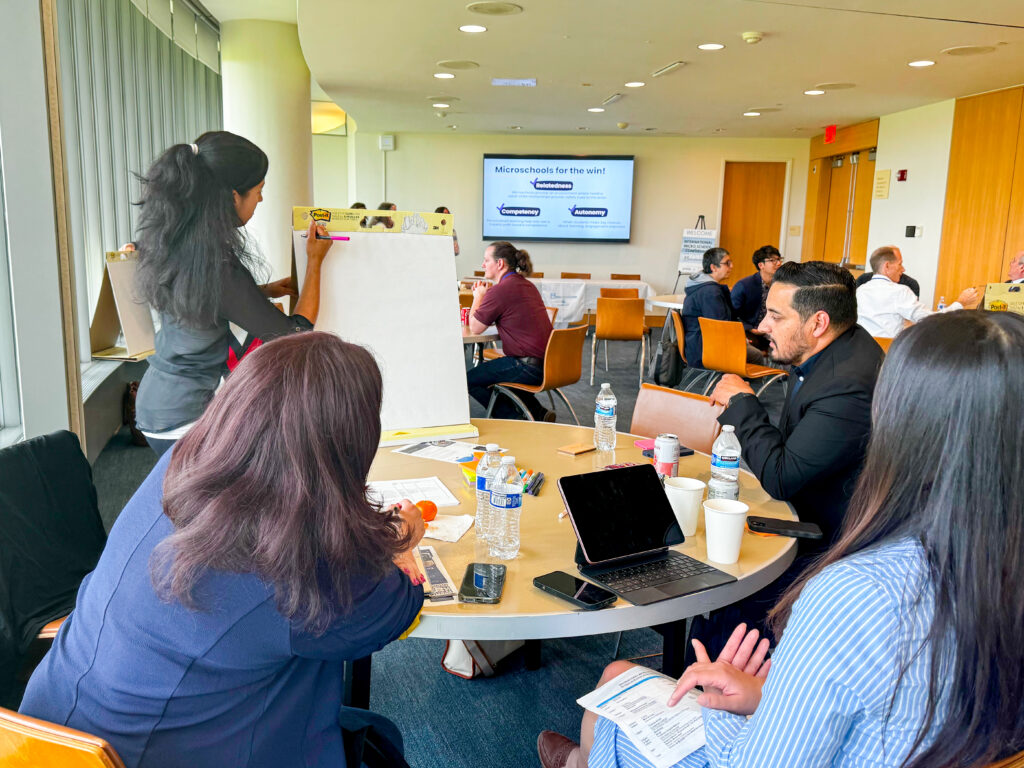
Recently, the Smithsonian’s National Museum of the American Indian in Washington, DC, served as a vibrant venue for the first-ever International Micro School Conference hosted by Microschools.com, Mysa, and Prenda. This event gathered a global community of microschool leaders, educators, researchers, social entrepreneurs, and innovators, all sharing a common goal: to explore and expand the horizons of microschools –  small learning environments designed to provide highly personalized learning experiences. This gathering was not just a conference but a celebration of innovation, community, and the potential of education to adapt and thrive in diverse environments. As a participant, I had the unique opportunity to engage with this diverse group and now share the compelling insights and experiences from this gathering.

A Global Gathering of Visionaries

The conference featured an impressive lineup of speakers from around the globe, each sharing their unique insights into the evolving world of education. Among them was Tim Vieira, founder of Brave Generation Academy and presidential candidate of Portugal, who shared his vision for a school without walls that extends its learning environment into the community. His approach not only breaks the physical barriers of traditional schooling but also integrates 61 global hubs from the US to Mozambique, creating a truly international learning network.

Another standout session was led by Mohammed Rezwan, founder and architect of Shidulai Swanirvar Sangstha, known for their innovative Floating Schools in Bangladesh. These floating schools, libraries, playgrounds, health clinics, and training centers in flood-prone areas are essential as they offer a poignant example of how education can be tailored to meet the specific needs of a community, ensuring that learning never stops, even in the face of natural disasters.

Challenges and Innovations in Education

Thomas Arnett, senior research fellow at the Clayton Christensen Institute, led a session on transforming education and addressed the systemic barriers that often stifle educational innovation. His focus on organizational autonomy, catering to unconventional students, and promoting opt-in adoption provided a framework for thinking about how new educational models can be successfully implemented.

Data-Driven Approaches to Homeschooling

Dr. Angela Watson, founder of the John Hopkins Homeschool Hub and Research Lab, brought attention to the rapidly growing sector of homeschooling and shared insights on trends and regulations. She emphasized the need for policies informed by robust data, saying, “As homeschooling continues to expand and evolve, we need a better understanding of this growing and diversifying education sector. We need policy based on facts, not historical stereotypes. My hope is that the Homeschool Hub will help fill these needs.” Her presentation emphasized the importance of developing stronger data and policies that accurately represent the modern state of homeschooling. This shift away from outdated misconceptions aims to foster a more evidence-based comprehension of its effects and scope by providing accessible data and research to the public.

Historical Perspectives and Future Directions

Professor James Tooley, Vice-Chancellor and President of The University of Buckingham, and described by Philanthropy magazine as “a 21st century Indiana Jones” traveling to “the remotest regions on Earth researching something that many regard as mythical: private, parent-funded schools serving the Third World poor” provided a historical lens on the microschool movement, discussing the evolution of low-cost private schools across various countries. His insights into the characteristics that have helped these schools succeed offered valuable lessons for anyone looking to support or launch similar models. He has helped to create a chain of low-cost private schools in India, Ghana, Honduras, and most recently established one in the north-east of England with the proper infrastructures and resources needed to advance equitable, accessible, and inclusive education.

Creating Spaces of Possibility

The workshop I led, along with notable educators such as Coi Morefield (Lab School of Memphis), Andrew Lee (Vita Schools of Innovation), Oscar Valles (Ellemercito Academy), and Lana Tran (Project Olives) focused on the concept of “Creating Spaces of Possibility: Transforming the Mundane to Magical.” Through a dynamic fishbowl-style discussion, we explored strategies for reconceptualizing educational spaces and cultivating supportive learning communities. We engaged closely with the audience, discussing how any space can be transformed into areas of creativity, safety, and innovation, and offered a holistic approach that views every environment as an opportunity for engaging and transformative learning. The energy in the room was palpable as participants shared their experiences and dreams for creating educational environments and school cultures that transcend the mundane to achieve the magical. The main goal was to provide a time of reflection so that founders could realize they have already created spaces of possibility, as most of our programs represent what parents have desired for their children but did not know existed. The overarching aim was to inspire educators and leaders to view the collective learning cultures of our microschooling communities as what they truly are—unique, needed, and indeed, magical.

Neuroscience and Education

Kaity Broadbent, Prenda’s Chief Empowerment Advocate, delved into the neuroscience behind learning and its implications for education during her workshop “Changing Childhood and Education.” She discussed the critical roles of connection, competence, and autonomy in fostering environments where students can thrive mentally and physically. Understanding brain-based approaches to learning underscores the importance of aligning educational techniques with how students naturally learn and process information, a crucial consideration for anyone involved in educational planning and curriculum design. 

Reflections and Future Outlooks

The two days of the conference were not just about sharing knowledge but also about building a community of individuals committed to rethinking and reshaping education. The collaborative atmosphere was a reminder that while the challenges are significant, the potential for impactful change is enormous.

As I reflect on the myriad discussions, workshops, and panels, I am struck by the resiliency, social entrepreneurship, and creativity of educators worldwide. The shared commitment to improving education through innovative, community-focused solutions was inspiring. The conference not only provided a platform for sharing best practices but also sparked conversations that will resoundingly continue to influence the educational landscape long into the future.

Lizette Valles, M.Ed., is the founder of Ellemercito Academy, a Los Angeles-based microschool, with a focus on project/place-based learning with a strong focus on trauma-informed teaching approaches.

The post Microschools with a World Vision: Insights from the First International Micro School Conference appeared first on Getting Smart.

from Getting Smart https://www.gettingsmart.com/2024/05/07/microschools-with-a-world-vision-insights-from-the-first-international-micro-school-conference/

Real World Learning in Chicagoland Pathways

For the last five years, Kansas City educators have been visiting high schools across the country in search of great examples of real world learning including client projects, entrepreneurial experiences, internships, college credits, and industry recognized credentials.  Last month, a group of principals visited rural, suburban and urban Chicagoland high schools featuring real world learning experiences in career pathways. 

Barrington High

In the northern suburbs of Chicago, Barrington Community Unit School District 220 serves about 8400 learners and is known for its sense of community. Barrington High School features  a Health Sciences Lab, an entrepreneurship and culinary arts program as well as a new emphasis on environmental sustainability. 

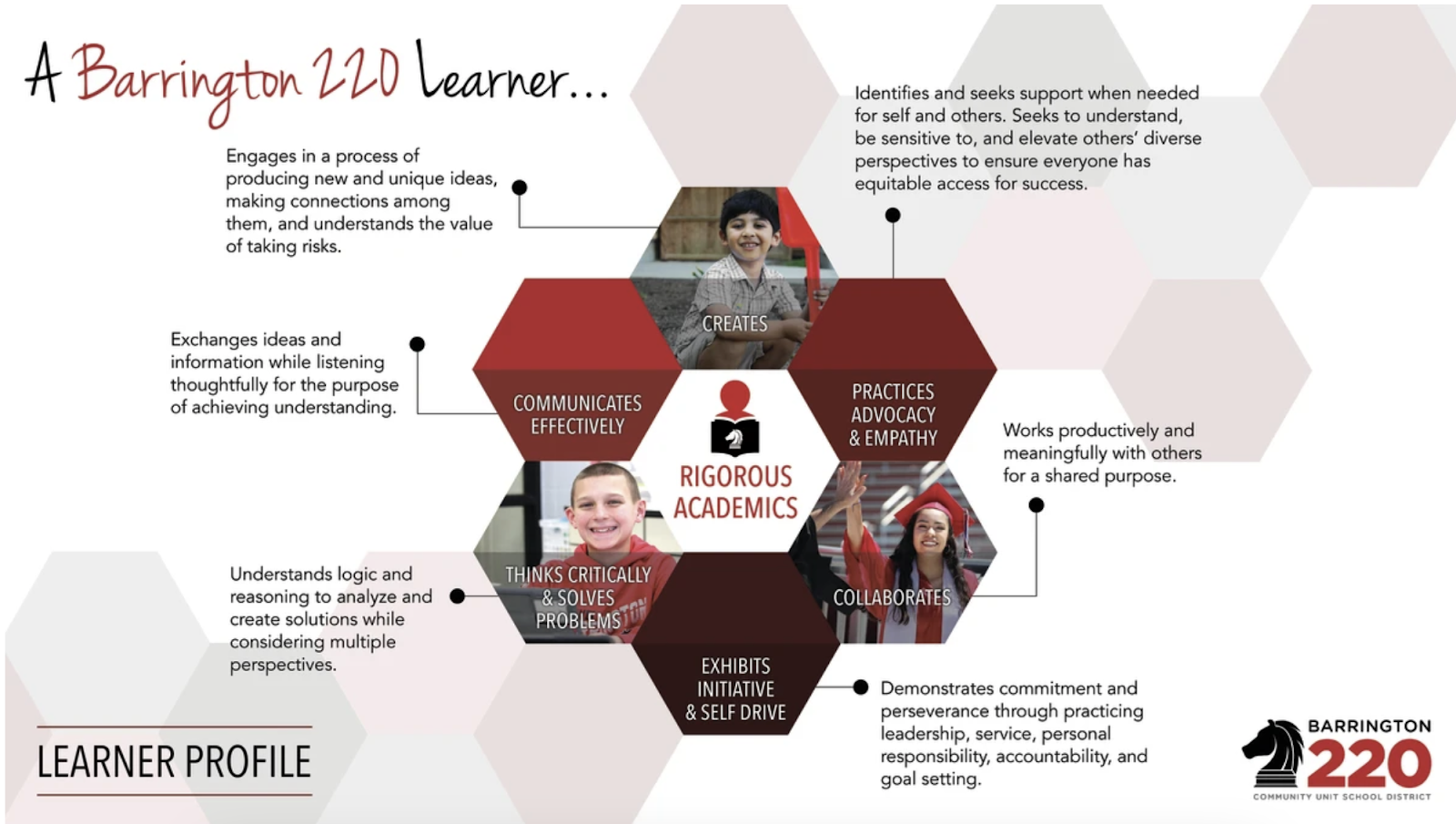
Assistant Superintendent of Teaching and Learning at Melissa Byrne described the recently adopted strategic plan and updated mission “to empower personal excellence in every learner”. She lead an extensive outreach process that culminated in a new learner profile.

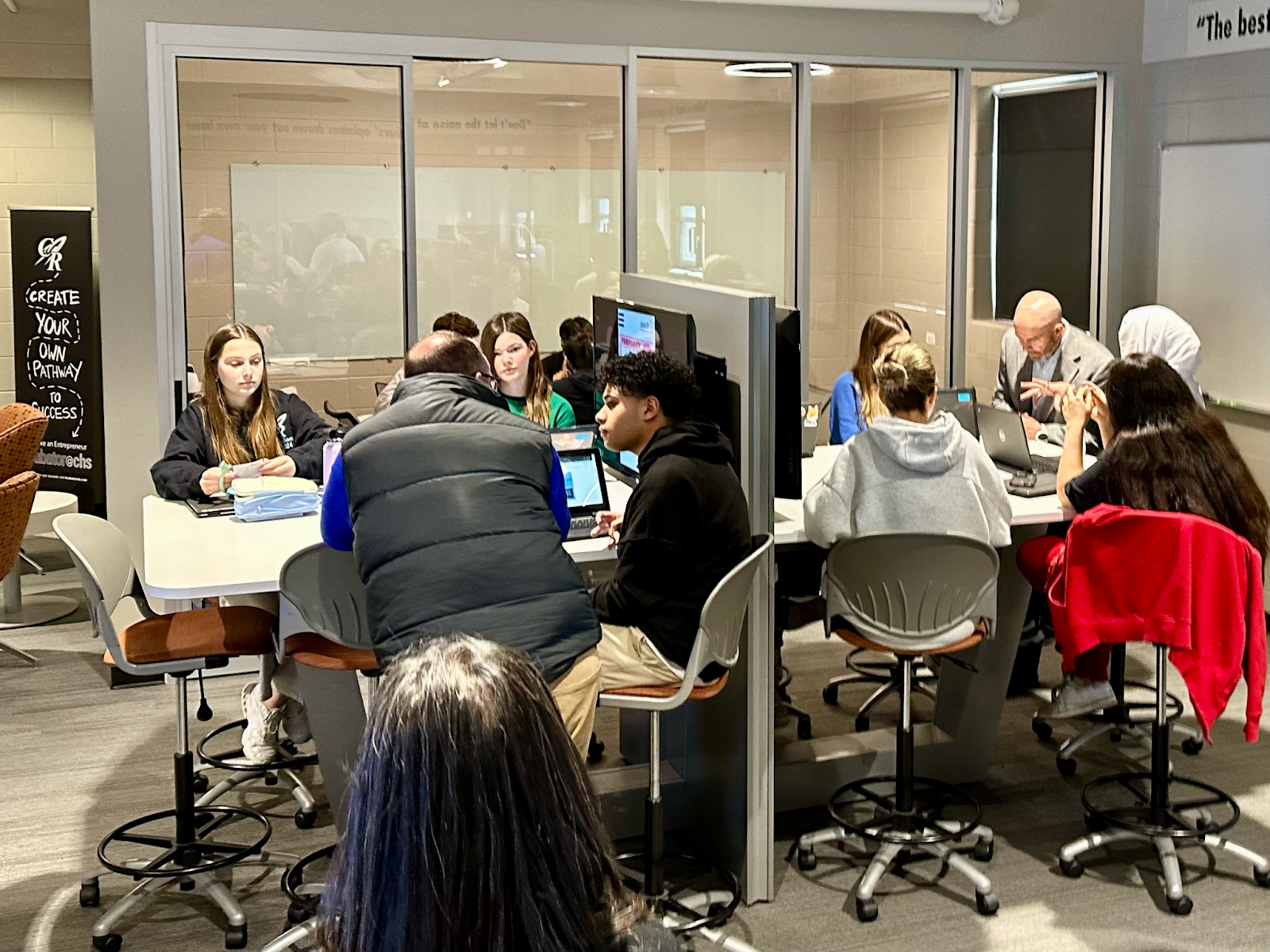
The class that most brings the Barrington profile to life is INCubatoredu, a year-long entrepreneurship class from Uncharted Learning. Teams of students spend the first few months spotting a problem worth solving, then they develop and test a business model. The class culminates with an investor pitch at the end of the year. (Late last year we interviewed a few students from Frisco ISD who participate in an INCubatoredu program.)

Real World Learning highlights at Barrington High include:

  • 24 pathway programs in 7 career fields.
  • Mature entrepreneurship program in middle and high school with strong community support. 
  • GEM (Grow, Excel, Magnify), a flexible learning program for seniors that encourages interdisciplinary community-connected projects that extend pathway learning. 

Central High

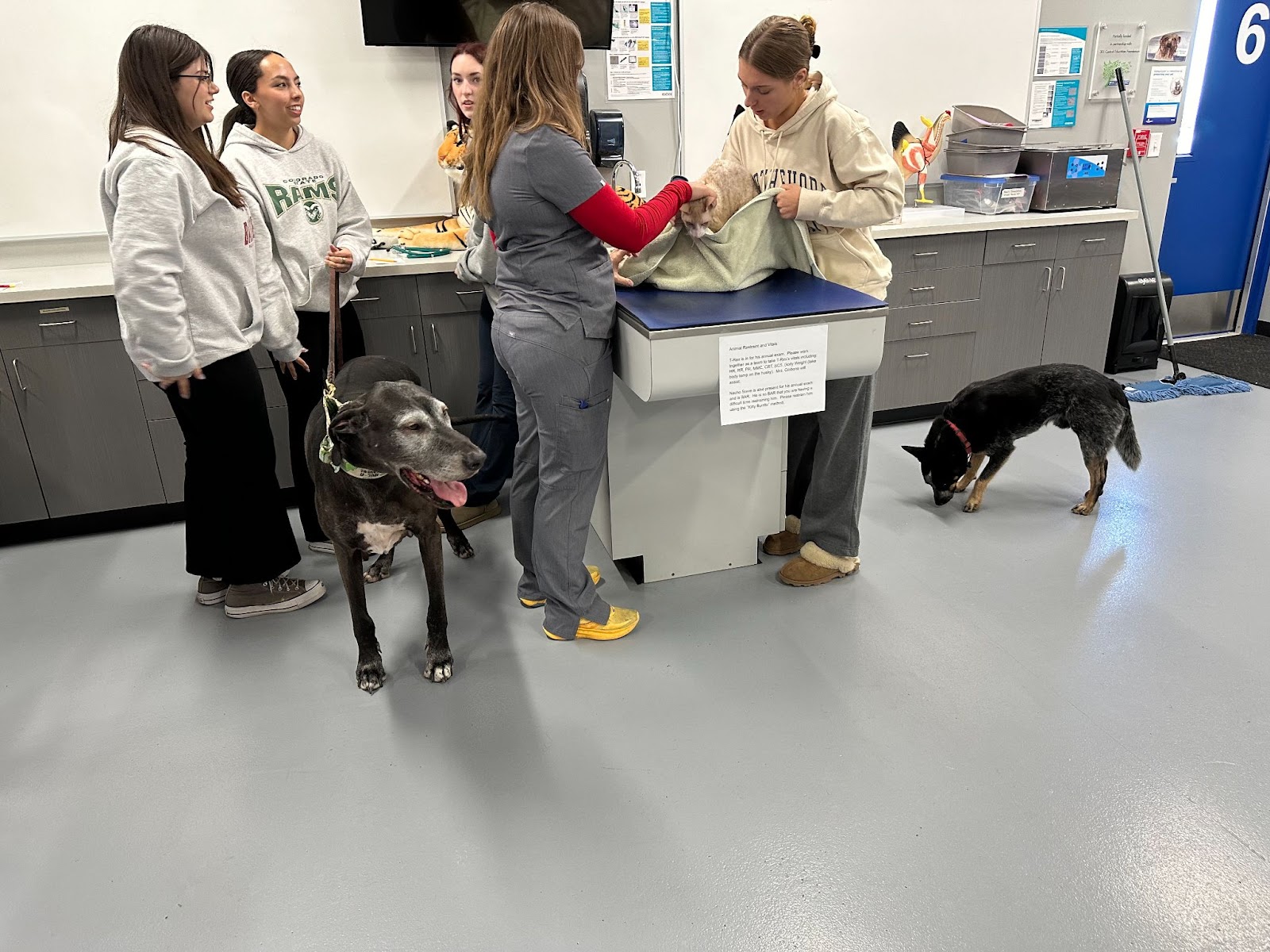
An hour west of O-Hare, Central High School brings college and career readiness to life for 1,300 learners in a rural community. Working with counselors and SchoolLinks, 8th grade students self-assess their interests. In 9th and 10th grade they explore college and career options and in 11th grade, they analyze their interests and experiences to start to make a plan. Finally, in 12th grade, they create their individualized postsecondary plan. Juniors and seniors can earn dual credit from the local community college as either a part-time or full-time student, with the potential to earn an AA/AS. Students participate in one of 11 career pathway programs that each feature robust community partnerships.

Central High Veterinary Science lab 

Real World Learning highlights at Central High include:

  • Veterinary Science program (that serves students from multiple districts) and is the only NAVTA approved program in the area. All 24 students earned a veterinary tech assistant credential in April.    
  • Mature entrepreneurship program in middle and high school with strong community support.
  • Expanding media production program that live streams sporting events.
Central High INCubatoredu classroom 

Elk Grove High

Under Dr. David Schuler’s leadership, District 214 became widely known for its commitment to career pathways. The high school district offers 16 career clusters, with many pathways offering supporting experiences through clubs and activities as well as internships, work-based learning experiences, and industry certifications. Schuler has gone on to lead AASA, but Associate Superintendent Dr. Lázaro López is extending D214 pathway leadership.  

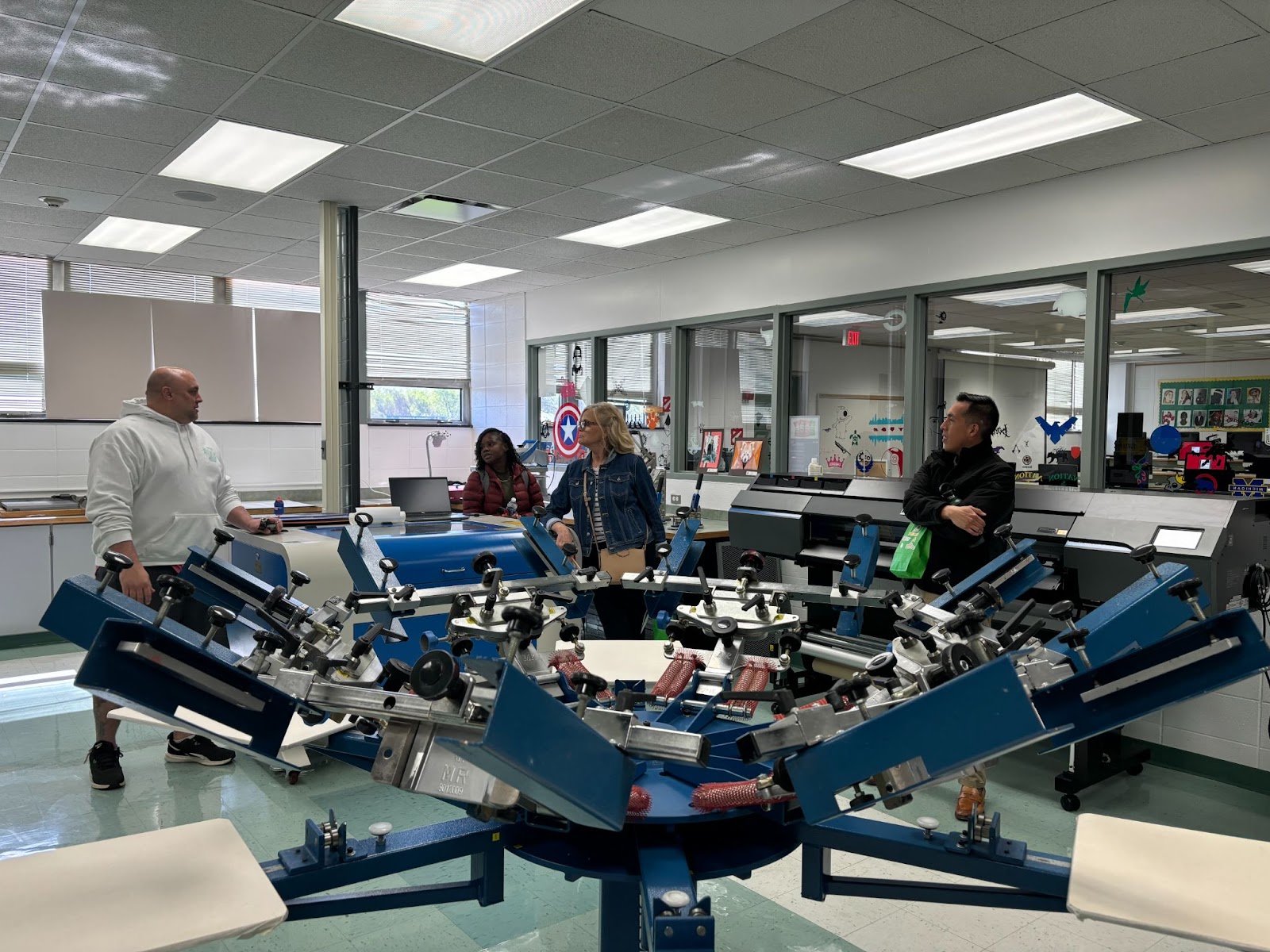
Elk Grove High is one of six comprehensive high schools in D214. It serves about 2000 students. It was one of the first high schools to add an INCubatoredu entrepreneurship class. One student team we observed was working on a sports performance app targeted toward student athletes. They described the extensive effort behind opportunity recognition (i.e., finding a problem worth solving) and the agility needed to make late pivots to improve product-market fit. 

Real World Learning highlights at Elk Grove High include:

  • 86% of graduates complete college-level coursework
  • 99.9% of students identified a career pathway (we’d love to meet the 2 holdouts)
  • Mature entrepreneurship program with strong community support
  • Career Development Academy allows students to secure paid internships and attend school 2-3 days per week
Elk Grove print shop and digital media space 

Art in Motion

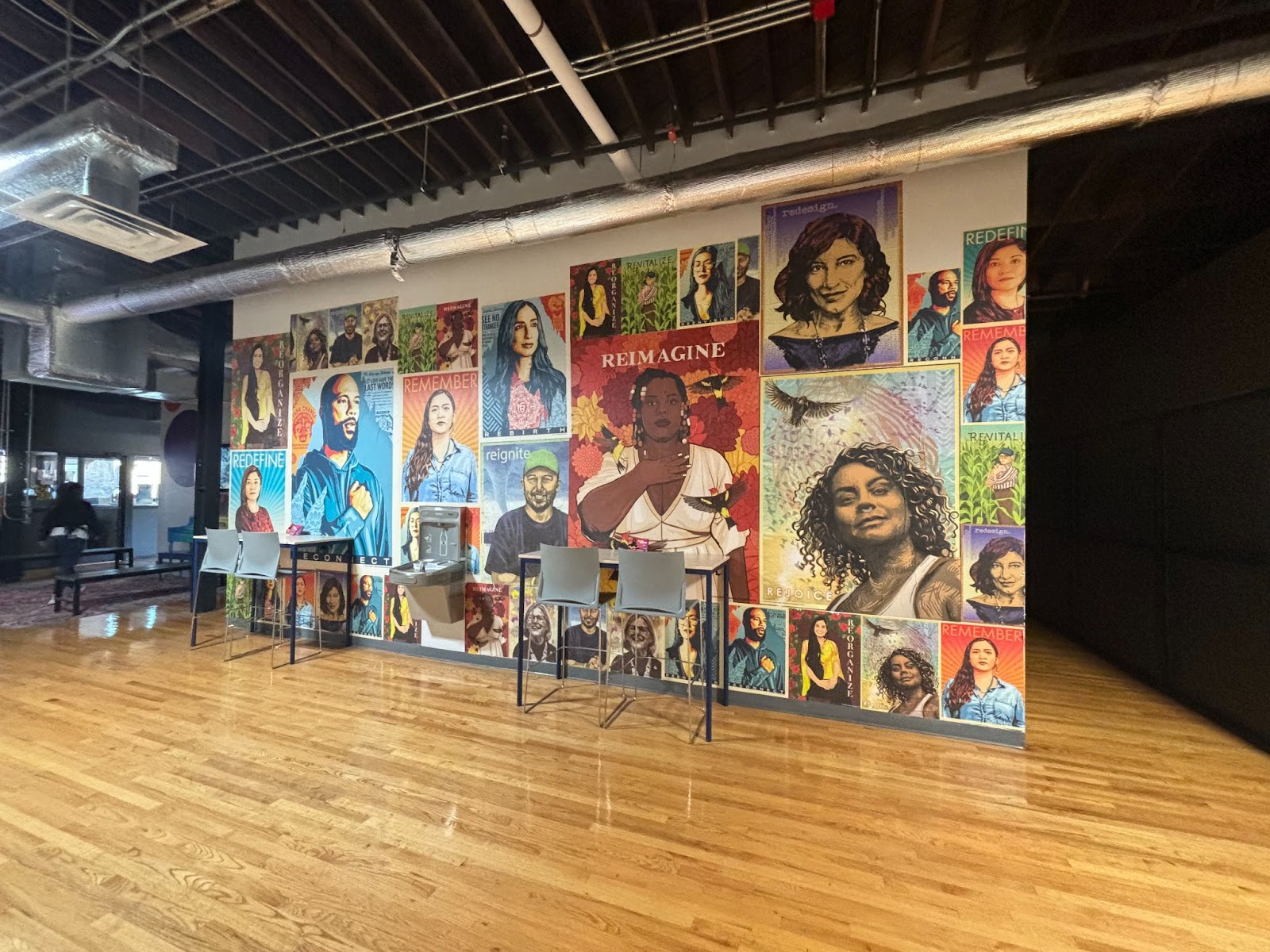
Founded in 2019 as a part of the Distinctive Schools network and backed by rap artist Common, Art in Motion seeks to empower the creative in each child to “provide the resources and opportunities needed for [their] dreams to take flight”. There are about 500 students in grades 7-12 who engage in real-world projects, self-directed learning and small group instruction. Each student meets with a mentor weekly and is encouraged to answer the question, “How will you take your creativity into the world?”

Real World Learning highlights at Art in Motion include:

  • Pathways in music, dance, visual arts, literary arts and digital arts
  • Creativity as a transferable skill is taught across the curriculum
  • Serves as art hub for the southside community
Gary Comer Youth Center rooftop garden

Gary Comer College Prep 

On the south side, the Comer Education Campus includes the Gary Comer Youth Center, Gary Comer College Prep and Gary Comer Middle School. The schools serve about 800 students and are part of 18 campus Noble Network

The Youth Center adds extensive in and out-of-school programming for middle and high school students including urban agriculture, media and tech, fitness classes, art and media classes, summer camps, and leadership and social development. 

Real World Learning highlights at Comer include:

  • Strong guidance and academic support surround a rigorous curriculum rich with college credit opportunities. 
  • Rooftop gardens and 2 acres of adjoining community gardens in support of agriculture courses.

DuPage County Schools

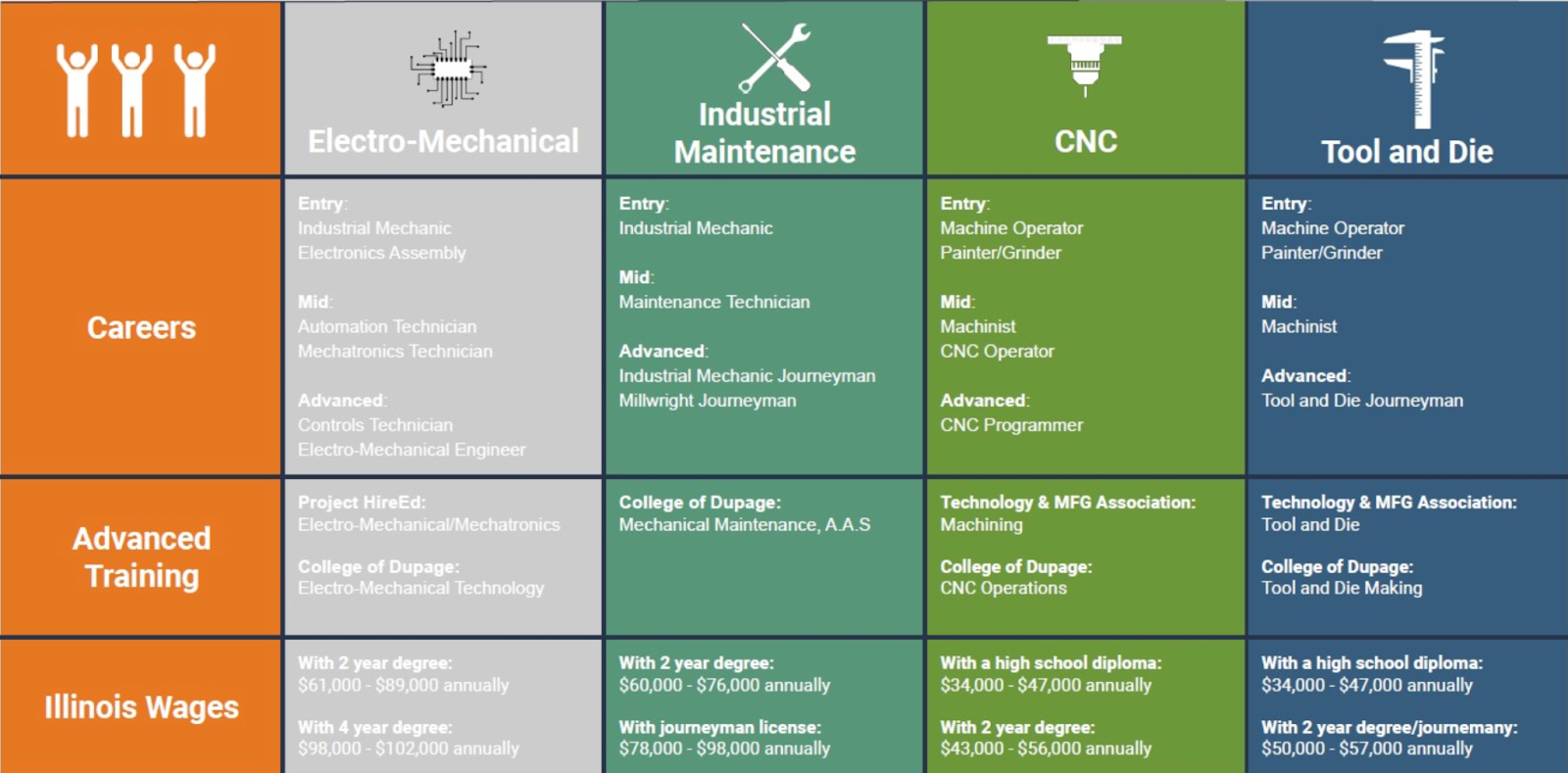
Just west of Chicago, GPS Education helped to create the DuPage County Work-Based Learning Consortium. Students enrolled in the program can experience paid internships or apprenticeships with local business partners. We visited cooking equipment manufacturer Antunes and talked to high school students rotating through stations and advancing toward high wage employment. Other manufacturing pathway opportunities in DuPage are shown below. 

Thanks to all of the host schools and intermediaries who made these visits a valuable professional learning experience. 

The post Real World Learning in Chicagoland Pathways appeared first on Getting Smart.

from Getting Smart https://www.gettingsmart.com/2024/05/06/real-world-learning-in-chicagoland-pathways/

‘Anxious’ Generation? More Like ‘Action’ Generation: America’s Students Are Building a Better World

By: Whitney Emke

There’s been a lot of talk lately about how things like screen time and pandemic-driven lockdowns are impacting children’s mental health and creating an “anxious generation.” What we haven’t heard nearly enough about, though, is what can happen when teachers and school leaders let students lead their own learning experiences that critically examine their communities and the broader world while designing real-world solutions to local and global issues. 

Long story short? When you give students the tools and autonomy to engage meaningfully with their surroundings, they learn to navigate the world with resilience while actively contributing to making it a better place.

On Friday, May 3–and every other first Friday in May since 2018–schools nationwide will celebrate Better World Day. Better World Day is an event created by the nonprofit organization EL Education, which showcases student learning that contributes to a better world. This year, students from more than 130 schools (up more than 600% from the 18 inaugural Better World Day school projects) will clean up trash around their communities, build and stock Little Free Libraries, pack and hand out meals and care kits for vulnerable community members, plant pollinator gardens, paint murals, and much, much more, all in service of making the world a kinder, better, more beautiful place.

This year, three of Better World Day’s most anticipated projects include students at Arbor Vitae Woodruff School in Arbor Vitae, Wis., joining forces with local charities to combat food insecurity, students at Westchester Elementary School in Decatur, Ga., fostering inclusivity through their “WE Build Bridges to Belonging” initiative, and juniors from World of Inquiry School No. 58 in Rochester, N.Y., planting tulip bulbs and hosting a community art project to commemorate their school’s founding amid historical events. Over the last seven years, students have built early literacy programs that honor the legacy of their former teacher, launched a button-making initiative that helps create dialogue around differences in identity, participated in countless community clean-up efforts, made murals with meaning, and so much more.

Community service might be nothing new, but Better World Day is different from other one-off community improvement initiatives.

It’s not just teachers sending home permission slips and busing students to and from events, snapping a few photos for the school’s weekly newsletter, and sending kids straight back to their desks and workbooks; Better World Day is about building citizen scholars who get smart to do good and change the world with skills like critical thinking, stakeholder engagement, project management, problem-solving, collaboration, empathy, cultural competence, public speaking, research, data analysis, and leadership.

Students are knee-deep in Better World Day, from the strategy and vision-setting stages to execution. They lead brainstorming sessions, vote on community needs to address most urgently, connect with community stakeholders to gather resources, collaborate with educators to design and implement sustainable solutions that have a lasting impact on their communities, share their accomplishments locally and even nationally to audiences of nearly 100,000 across email, television, social media, web, and more. 

Then, as their schools continue to participate annually, students’ skills and leadership grow, leading to higher-quality, higher-impact events and, most importantly, students who realize the power of their voice and want to use it now in service of a better world. 

We’ve seen it time and time again: Khadijah Hilmy, Ava Pittman, Saniyah Cunningham, and Marissa Barnwell are just a handful of students who got involved with Better World Day or their school’s partnership with EL Education and went on to join EL’s Student Advisory Council. Now, they’re guest speakers, panelists, and emcees at national conferences, bloggers, and education activists working to inspire future student leaders to contribute to a better world.

In today’s discussions about the challenges facing young people, Better World Day–and the students leading the charge–demonstrates the incredible impact of focusing on what our youth can do instead of what they cannot. When we give them the tools and opportunities to engage with their communities and the world meaningfully, students can become citizen scholars who make the world a better place.

Whitney Emke, the director of communications for EL Education, is a former special educator and behavior interventionist who specialized in working with students diagnosed with emotional and behavioral disorders and autism spectrum disorders. She is a first-generation college student who spent five years in the foster care system and is passionate about the power of education to disrupt intergenerational cycles of poverty and violence.

The post ‘Anxious’ Generation? More Like ‘Action’ Generation: America’s Students Are Building a Better World appeared first on Getting Smart.

from Getting Smart https://www.gettingsmart.com/2024/05/03/anxious-generation-more-like-action-generation-americas-students-are-building-a-better-world/

Where Seldom is Heard a Discouraging Word: Farm-based Microschools

Fundamentally, a microschool can be located anywhere. These nimble schooling models, while at the forefront of current education innovation, are a return to education at its most elemental. Microschools are a modern iteration of the age-old one-room schoolhouse concept, where small groups of students engage in often personalized and experience-based learning experiences. These schools often cater to mixed-age groups, allowing for flexible curriculum adaptations based on individual student needs, interests, and learning paces. The intimate setting fosters close relationships between students and teachers, creating a supportive and collaborative learning environment.

On top of that, the location can have an outsized effect on connecting learners to place and rich learning opportunities. Farms provide a rich canvas for educational exploration, offering hands-on experiences that cannot be replicated in traditional classroom settings. The farm environment teaches children about biology, ecology, and agriculture through direct interaction with plants and animals. Moreover, it imbues in them a profound respect for nature, an understanding of the food cycle, and the importance of sustainable living practices. These schools can be leveraged, especially effectively in rural communities, to provide accessible options for families. 

I’m reminded of Lessons from a Calf, a great documentary where elementary-age students in Japan take care of a cow at a nearby farm and through the process learn valuable skills and lessons in economics and math, caretaking, and life. 

The Integration of Curriculum

Like Lessons from a Calf, at the heart of the microschool on a farm concept is the seamless integration of traditional academic subjects with farm-based activities. Mathematics can be taught through the measurement of planting beds, calculating the growth rates of crops, or managing the farm’s budget. Science comes alive in the study of plant and animal life cycles, weather patterns, and ecological balance. History and geography lessons can revolve around the origins of farming, the significance of agriculture in civilization development, and the study of landforms and climates in farm management. 

Some farm schools are fortunate to have a farm or agriculture-based asset within the district, while not necessarily being a farm-based school. A great example of this is the Dairy Sheep Project in Weston School District where students learn to care for the sheep and lambs, milking the ewes to use in the sheep milk soap and gelato they sell. 

While visiting the STEAD School in Colorado, not a microschool but located on a former farm, I learned that through four agricultural pathways (animal, plant, environmental, food science) they are able to map students to over 3,000 career possibilities. These combinations of community assets (farms) and tailored instruction are capable of meaningfully setting students up for success in what’s next.

Examples in the Wild

In Northeast Ohio, Kelly Clark runs a democratic, farm-based microschool called More Than a Farm. Her multifaceted experience includes years as a STEM teacher at the innovative Hawken School (alma mater for me and my kids), where she worked closely with education luminaries like Scott Looney (of MTC fame); permaculture design and implementation; and leading the nascent local Transition movement.

Also in Northeast Ohio, Hershey Montessori School is an AMI accredited Montessori school with the first farm-based adolescent community. Students from birth through high school learn on two campuses: up to sixth year in a traditional suburban Montessori environment and seventh through twelfth on a working farm. The adolescent boarding option attracts international students and educators from around the world to visit, observe, and attend a unique summer residential certification program for adolescent Montessori practice. 

Farm School KC offers a unique Montessori education for middle and high school students in Kansas City, focusing on the development of self-awareness, community contribution, leadership, empathy, and critical thinking skills. The curriculum includes real-world learning on a 10-acre farm, providing an educational experience that combines academic rigor with practical, hands-on agricultural and environmental studies. Located on the campus of Clay-Platte Montessori School, it provides a serene, natural setting conducive to learning and personal growth.

Koshkonong Trails School is a project-based, tuition-free, public charter school within the School District of Cambridge serving 7th – 12th grade students. Located on a working farm in Cambridge, Wisconsin the program orients around place-based projects designed by students to impact the local and regional community. With experiential education at the core, students focus on conservation, stewardship, and agriculture as well as traditional subjects as they work to support the farm.

Wild Flower Community School a microschool in Wichita, Kansas is a public-private partnership with Kansas public schools, allowing students to attend tuition free. This doesn’t cover all microschool costs, however, as they also rely on charitable donations and are a part of the national Prenda microschool network. This school currently serves 35 students, most with specialized learning needs. Thus far, the demand for the environment and personalized components has outpaced the supply. 

Co-locating and partnering with a farm can be a great way to build a more sustainable school and concept. In South Florida, Colossal Academy, a microschool, is integrating agriculture into its curriculum to nurture future leaders, entrepreneurs, and farmers. The school enrolls 20 students between the ages of 10-14, who dedicate three days each week to farm-based learning. This hands-on experience takes place in a yurt, where they acquire skills in farming, cooking, and technology, alongside their fundamental academic education. The remaining two days are reserved for online learning. Starting from the 2022-23 academic year, the academy will introduce a five-day in-person learning option.

In Conclusion

The journey through the concept of microschools situated on farms illuminates a promising horizon for education, where learning transcends the confines of traditional classrooms and becomes a dynamic, immersive experience. This model showcases how integrating agriculture into education not only enhances academic learning but also cultivates a generation of learners who are environmentally conscious and equipped with practical skills for sustainable living. As we reflect on the transformative potential of such educational settings, it becomes evident that the fusion of microschools and farm-based learning could redefine the educational landscape, making it more relevant, engaging, and meaningful for students in an ever-evolving world.

The post Where Seldom is Heard a Discouraging Word: Farm-based Microschools appeared first on Getting Smart.

from Getting Smart https://www.gettingsmart.com/2024/05/02/where-seldom-is-heard-a-discouraging-word-farm-based-microschools/

Building Better Schools: The art of leading change in education

By Tyler Thigpen 

Join me in a thought experiment where we envision creating a school focused on cultivating dependent students. Yes, you read that correctly—dependent learners who rely heavily on others for guidance and decision-making. While this concept might initially strike us as unsettling, let’s temporarily set aside our judgments and explore how such a school could be developed. 

First, our hypothetical institution would prioritize structured learning environments. Students would navigate carefully orchestrated steps, minimizing the need for independent problem-solving. We’d enforce limited autonomy, furnishing students with explicit rules and guidelines for every facet of their educational journey. To further restrict freedom, we’d implement rigorous daily routines, rigidly dictating students’ schedules. 

When it comes to the curriculum, we’d decree the subjects they study, leaving little room for choice. To bolster their dependence, we’d offer abundant academic and emotional support resources, ensuring they could lean on assistance whenever needed. Information sharing would be closely guarded, concealing planning processes, policy decisions, and disciplinary verdicts to keep students in the dark and reliant on authority figures. 

Continuous supervision would be paramount, minimizing opportunities for independent problem-solving. Classrooms would exude conformity, celebrating uniformity with well-defined learning objectives, discouraging individuality and independent thinking. Direct instruction would dominate, emphasizing teacher-centered learning to restrict independent exploration. Assessments would focus on finding singular correct answers, discouraging diverse perspectives and creative solutions. Risk-taking and experimentation would be discouraged, sheltering students from the consequences of their choices. Predefined pathways would limit exposure to options, discouraging vocational exploration. 

Ultimately, this approach would solidify students’ dependence on authority figures, reinforcing the notion that authority possesses the right answers. Critical thinking and independent inquiry would be discouraged in favor of conformity and reliance on external guidance. 

Ok, whew, the thought experiment is over. 

Of course that was just an exercise, but the trouble is this—an imaginary educational design that would cultivate dependency in its graduates dangerously resembles the current design of most K12 schools across our country. Rigid schedules, adult-made rules, mandated curriculum, and single-answer tests are the norm. Students—and many teachers, for that matter—have limited choice and autonomy. 

Today’s K12 students are spending the vast majority of their time in classrooms listening to answers to questions they did not ask and following rules they did not have a hand in making. Given that this dynamic goes on for years, what is it doing to students’ minds and spirits? To their agency and empowerment? Are we unintentionally graduating dependent young adults? 

The Achievement Era in Hindsight

We haven’t arrived at our current state haphazardly. In her book Schooling America, former Harvard Graduate School of Education dean Patricia Graham divides a century’s worth of educational history into four distinct eras, which she labels as the four A’s: Assimilation, Adjustment, Access, and Achievement. We’ve been in the latter focus of Achievement, she contends, since the 1980s and the publication of A Nation At Risk. The focus in this phase has been on shepherding students toward academic achievement and gainful employment. We’ve stiffened school structures to hit this bullseye. 

Five-ish decades in, the Achievement era has been a mixed bag. Some upsides of an achievement focus are increased accountability, measurable progress, and student preparation for success (in some arenas). But there are plenty of downsides, including an overemphasis on grades, fear of failure, a sense of competition over collaboration, and an overreliance on adults for both instruction and validation. With an achievement focus, students are incentivized to seek satisfaction and assess their self-worth through accomplishment and others’ opinions. 

The most insidious downside of the Achievement epoch is that all students are guided to learn the same or similar skills, knowledge, and mindsets (i.e., one size fits all) instead of being guided toward their own personal growth. When children are pushed to achieve goals that are set by others, they lack self-direction. That is a tragedy. Like adults, every young person has thoughts, feelings, and plans. Unfortunately, the design of the industrial-age school model—a batch processing approach—usually shuts them down in children. People become dependent when they lack awareness of their thoughts, feelings, and plans (Goldman, 1995). 

But what if the opposite were true? What if schools empowered children to flourish? What if schools were the places where they could explore, identify, express, and develop their thoughts, feelings, and goals? There’s power in the uniqueness of every child. It’s time that school designs honor students’ unique calling, preferences, and goals, and encourage them to pursue those. It’s time to move fully into a new era for learning where learners can develop greater self-leadership than ever before. 

Building a Future-Ready System

Thankfully, the work of building a future-ready system full of excellent schools is already underway. Many leaders in the public and private school sectors are redesigning learning models to help children learn what they need in order to live the lives they want. Though their styles vary, these leaders are generally making five key moves when leading school transformation.

Articulate a bold new vision. School leaders work directly with their communities to unearth parents’ and caregivers’ hopes and dreams for their kids. They also ask students about their goals and treat those goals as precious and foundational. Then they co-create and champion a compelling vision for excellence in education. This vision serves as a guiding light, aligning the efforts of everyone involved. Leaders identify innovative teaching methods that foster deep disciplinary learning, student collaboration, and authentic assignments. They build new signature learning experiences that give students choice and voice. The ninja move that most leaders make at this stage is creating a vision that works within the constraints of their system. Select leaders to upend and reshape the landscape to improve conditions more quickly. Either way, the new vision, methods, and experiences set the stage for transformative change. 

Clarify the knowledge, skills, and craft that teachers need to bring the new vision to life. With new methods, often the educator competencies required are new, too. In their preparation or prior experience, teachers may not have encountered the abilities or mindsets needed to activate new methods. Some leaders use the title “Portrait of a Teacher” to describe needed competencies. Each portrait can be tailored to the school’s unique approach and serve as a framework, guiding teacher development, recruitment, and support. 

Leaders design signature learning experiences for educators. Seeing themselves as learning designers, leaders create experiences that align with their vision and Portrait of a Teacher. These experiences become invaluable tools for professional development. They help ensure that what happens in classrooms matches the school’s bigger vision to maximize opportunities for children. Some of this work is threading through to our nation’s graduate schools of education, albeit slowly. Forward-thinking leaders start their own teacher training programs. 

Leaders work tirelessly to gain buy-in for the new vision. Though the work of getting legitimacy and support starts at the first stage of co-creating a new shared vision, it is work that never ends. Change always faces resistance. So leaders must perpetually cultivate buy-in from teachers, parents, students, and school partners. Leaders find strategies to foster a deep belief in the importance of transformation. Leaders learn both public-facing and also behind-the-scenes tactics to garner support. It’s incredibly hard work. It’s like tilling rocky soil for a seed to take root and grow. 

Leaders establish systems for continuous improvement. Amy Edmonson (2008) calls this “organizing to execute” and “organizing to learn.” Transformative work is messy. No one gets it right the first time. Leaders in ‘advanced player mode’ figure out how to deliver quality experiences, learn quickly from imperfections, and keep the entire community informed and talking. Sustained progress amidst organizational change requires effective systems and structures. So, these leaders develop community practices, communication strategies, and continuous learning mechanisms to know what to keep doing, what to stop doing, and what to change.

Preparation is key. Leaders looking to take their schools on a transformation journey are well served by building their own leadership skills in certain areas. In particular, Elizabeth Chu (2023) of Columbia University’s Center for Public Research and Leadership contends, racial and cultural fluency, creative problem-solving, communication, teamwork, team building, and project management are key skills that empower them to be top-notch guides shepherding the process. 

Despite the arduous transformation journey, skilled leaders can guide communities to a promising frontier. Recalling Graham’s four eras—Assimilation, Adjustment, Access, and Achievement—what if the next era in education was Abounding, where all students flourish? Where they can experience personal growth and opportunity. Where ultimately they’re self-directed, interdependent learners instead of dependent ones. Where they can explore, express, and develop their own thoughts, feelings, and plans in service of finding a calling that will change the world. It won’t be perfect, and there will be downsides. But it will be better suited for our times. 

Courageous school leadership can help make this vision a reality. Let’s applaud and support visionary educators helping shape our children’s future. In fact, the next time you see or meet one of them, give them a hug, high five, or an encouraging word because this work is far from easy. And it’s vital for the next generation.

Dr. Thigpen is Academic Director of the Leading School Transformation program at the University of Pennsylvania Graduate School of Education, and head of The Forest School and Institute for Self Directed Learning in Trilith south of Atlanta.

The post Building Better Schools: The art of leading change in education appeared first on Getting Smart.

from Getting Smart https://www.gettingsmart.com/2024/04/30/building-better-schools-the-art-of-leading-change-in-education/

Five Reasons to Bring Our National Parks into the Classroom

By: Seth Kannarr

When we consider taking a vacation, we often make plans to visit our national parks. Whether it is the nostalgia from family road trips growing up, or just a desire to escape our daily routine and reconnect with the outdoors, over 300 million Americans travel to the 429 units managed by the National Park Service across the United States every year.

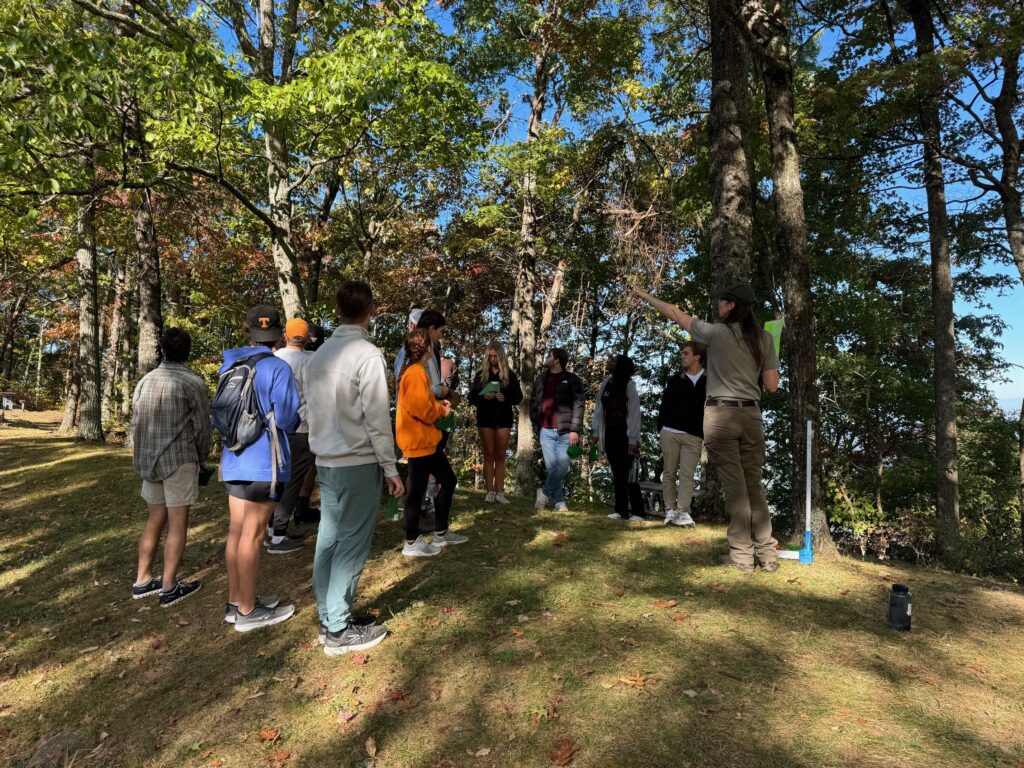
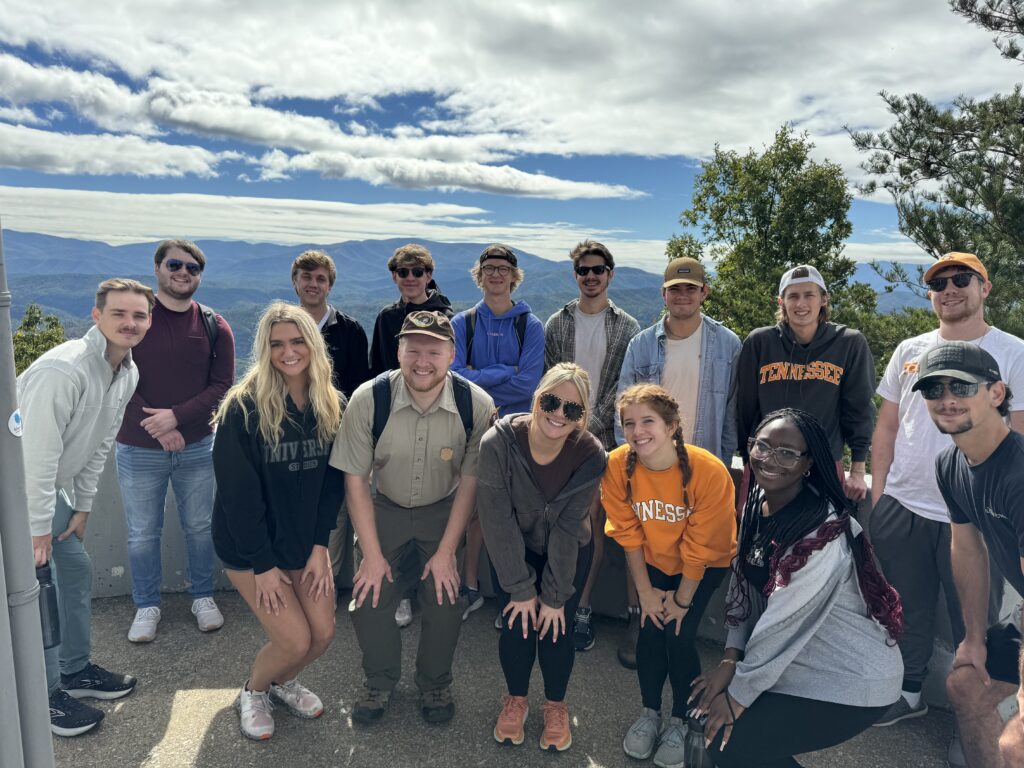
Instead of reserving these cherished protected areas for just our travel plans with friends and family, educators have the opportunity to take these natural and historic wonders and bring them directly to the students in their classrooms. As an instructor at the University of Tennessee over the past year, I have used our national parks as an application of the lessons I teach. Below are five reasons why I believe this works well.

National Parks Increase Student Engagement

Whether it is the wildlife, beautiful scenery, culture and history, camping, hiking, or spending time with others, it is easy for students to find something to love about our national parks. Parks are fun and relatable, so if educators can channel that potential energy via student learning, then students will demonstrate their excitement and engagement. One study shows that allowing students to express themselves and make choices based on their interests increases their engagement. 

In one assignment, I have had students use Google Earth to create a guided tour of a national park of their choice. They also play the role of park ranger as they write out descriptions for the five most important stops they make on their tours. The students have enjoyed that assignment and the others, writing in their course evaluation that “the activities we did were super fun and informative”. 

I have even met an elementary school teacher who uses ‘Leave No Trace Principles’, which include reminders for people recreating outdoors such as ‘Respect Wildlife’ and ‘Leave What You Find’, as inspiration to set the rules of the classroom. It is a very creative way to make something considered boring to listen to more relatable and fun for students.

National Parks Offer Lessons for Almost Any Subject

No matter what topic or class an educator teaches, it is very likely that those lessons can be grounded in real examples with our national parks. If someone teaches fifth-grade science, those students can learn about ecosystems and invasive species. If someone teaches high school English, maybe they can host a discussion on the writings of John Muir that helped inspire the establishment of national parks. If a professor teaches a university anthropology course, students can learn about the violent removal of Indigenous people from their homelands that would become future national parks. 

Whether a teacher is trying to teach essential science concepts or lead difficult conversations on today’s pressing social issues, our parks provide case studies to get it done. Educators can also use national parks to reinforce new content standards, such as the Next Generation Science Standards. Our parks have connections to so many aspects of history, culture, and science, there is no shortage of educational opportunities with them. The National Park Service also hosts an online portal for educators to share and use resources, all freely available to the general public as well.

National Parks are Great Places for Field Trips and Experiential Learning

What better way to teach students about our national parks than to show them directly with their boots on the ground? I’ve watched the faces of first graders light up in delight as they step off the bus to look into the woods at Great Smoky Mountains National Park. It can be a magical experience for people of all ages to have. Visitor centers at National Park Service sites also have lots of interpretive exhibits and ranger programs, some even with hands-on activities and guided tours provided. It is an amazing opportunity to teach a particular lesson in the classroom, and then take students to see that lesson in action in real time. 

The National Park Service also hosts a special initiative for fourth graders to get a free family interagency access pass for a year, so families can build on what students learn in school with trips of their own. This matters because studies show that children and young adults benefit from spending time outdoors, as it can help sharpen their senses, increase appreciation for the outdoors, improve their mental health, and beyond.

Our National Parks Have Made Great Strides in Accessibility

Although there is so much more work to do still in regards to addressing the historic racial injustices of our parks, such as the previously segregated park amenities and continued lack of representation, they are more accessible and welcoming than ever before. 

Following the COVID-19 global pandemic, all the online resources that employees and volunteers with the National Park Service developed to continue teaching students about their park from the safety of their homes are still freely available for anyone to use. A fourth-grade classroom in downtown Chicago can spend an hour virtually exploring Olympic National Park in Washington, or a high school environmental science class can use an Esri StoryMap to learn about brown bear management in Katmai National Park in southern Alaska. 

Even for educators with the resources and ability to take students to visit our parks in person, an intentional increase in accessibility accommodations and more diverse representation of park employees help to make our parks more welcoming than ever. A majority of National Park Service sites are free to visit, and there is likely a place nearby, which you can find with the National Park Service’s Map Finder tool.

National Parks Provide Opportunities to Reflect About America

Novelist Wallace Stegner famously said “National parks are the best idea we ever had. Absolutely American, absolutely democratic, they reflect us at our best rather than our worst.” However, I would argue that our parks reflect us both at our best and at our worst. They serve as social laboratories, exemplifying what is happening and changing in our society as time marches on. 

To this end, parks are also great venues to teach American history. Evidence of the Great Depression, the Civil Rights movement, and more can be found in the history and cultural landscape of our parks. Examples could include the historic buildings constructed by the Civilian Conservation Corps as part of President Roosevelt’s “New Deal”, or the Confederate monuments erected in the 1950s and 1960s within our protected areas nearly a century after the conclusion of the American Civil War. 

Contemporary social movements in our national parks can also help to highlight previous racial injustices and offer solutions that make a difference to these disadvantaged communities. For example, the proposed renaming of Clingmans Dome to Kuwohi by the Eastern Band of Tribal Cherokee in the Great Smoky Mountains National Park will remove a Confederate name from the landscape and repatriate the sacred mountain to the original name given by the Cherokee people hundreds of years ago. 

Educators can use these moments of dispute and uncertainty as an opportunity to have tough conversations and reflect on who we are, as individuals, as a society, and as a nation. Our students will grow for the better from it, and we owe it to them and the future of our nation.

Seth Kannarr is a Geography PhD Student at the University of Tennessee.

The post Five Reasons to Bring Our National Parks into the Classroom appeared first on Getting Smart.

from Getting Smart https://www.gettingsmart.com/2024/04/29/five-reasons-to-bring-our-national-parks-into-the-classroom/

The Power Of Peace Project: Healing Wounded Communities

Youth violence causes death and injury. Homicide is the third leading cause of death among young people aged 10 to 24.  Every day, approximately 12 young people are homicide victims, and nearly 1,400 are treated in emergency rooms for nonfatal assault-related injuries. Youth violence is expensive. According to Federal Data on Youth, “Youth homicides and nonfatal physical assault-related injuries result in an estimated $18.2 billion in combined medical and lost productivity costs.” Youth violence is widespread. One out of every five high school students reported being bullied on school grounds in the previous year. 

One program is on a mission to eliminate youth violence! Following in the footsteps of world-renowned activists and civic and global leaders such as Martin Luther King Jr., Nelson Mandela, Mahatma Gandhi, and others, the Power of Peace Project is committed to redirecting underserved youth, reducing the overall incidence of youth crime, rehabilitating young inmates, lowering academic dropout rates, and inspiring young people to discover and develop the untapped power and potential within all of us. 

The Power of Peace project

The Power of Peace movement, inspired by the Project, is spreading to schools and youth detention centers, and the Forty Days to Freedom series is bringing about significant changes in this generation of young people. Together, we are beginning to remove the shame and stigma that come to the families of the addicted and incarcerated, and we are showing that these young men and women can change and prepare to become productive citizens.

The Power of Peace Project (POPP) was founded in 2010 by the organization’s president, Kit Cummings, as he began to carry the message of peace, hope, and change into the most challenging places in America– the U.S. prison industrial complex. As Kit spoke to more and more inmates, momentum began to build in penitentiaries in different parts of the country. Behaviors began to change, and many of the men society had left behind and essentially given up on had rediscovered their power and potential. Some of the most challenging prisoners began to strive to become positive role models for their kids and younger brothers. With prison inmates desperately needing a purpose and young people needing positive role models, the unlikeliest group of individuals heeded the call to action and stepped up to make a change. Administrators, educators, wardens, and officers were all amazed at what happened. Peace began to take hold and spread.

On January 18th, 2011, twelve men at a dangerous maximum-security prison signed the “POPP Peace Pledge” to see if they could live peacefully with the men in Georgia’s toughest prison. Forty Days to Peace, which began on the 25th anniversary of MLK Day, would continue for the following forty days and beyond in that prison, and peace began to spread throughout the facility. This prison won Institution of the Year that year, going from worst to first.

As those men began to practice a lifestyle of non-violence, other men began to watch and become curious. Word spread throughout the compounds, and inmates began to talk about Forty Days to Peace. Instead of being labeled as “weak,” these men gained a new respect among the prison population. A peace movement had begun, one that these men had created in their commitment to non-violence toward each other, and the prison administration and staff began to take note. POPP was invited to more and more facilities.

Since that first peace pledge, POPP has gone to prisons and schools in the U.S., South Africa, Honduras, Mexico, Ukraine, and Guatemala. Since the first project in the first prison, Kit has taken the POPP message to over one hundred prisons, jails, detention centers, and rehab facilities.

The Power of Peace Project has expanded into a community development project, including a student development program, anti-bullying campaigns in alternative high schools, a media company, corporate motivational programs, empowerment activities, and organizational conflict resolution programming in wounded communities. The POPP peace movement took hold in Michigan and Ohio, where over two thousand inmates committed to peace and becoming positive role models, not only to inmates but also to a young generation that is losing its way. Some prisons saw violence decline by as much as 50 percent because of the ongoing project. Whether someone is a tough kid from an inner-city school or a college-prep kid living in the suburbs, it no longer matters—this is not a rich or poor, black, white, or Hispanic issue– because the need for peace is a common bond that we all share. Our kids are hurting and, in turn, hurting themselves and others. It is time for a new approach.

A Conversation with Kit Cummings

I had the opportunity to speak with Kit Cummings, the Founder of The Power of Peace Project. Kit is an award-winning author, teacher, and violence prevention specialist. When talking about the work of the Power of Peace Project, Kit stated:

“We interrupt and redirect young people who are on a perilous course, and set them firmly on the pathway to extraordinary dreams. Beginning with the youth, POPP heals wounded communities from the inside out.”

Kit Cummings

What is your vision for the Power of Peace Project?

Between our work in schools, juvenile courts, juvenile detention facilities, and law enforcement, I want to impact one million kids in the next ten years.

How does The Power of Peace Project support youth in school?

Through our POPP Protect the Dream program, we teach kids how to design a dream, manifest it, and then protect their dream, at all costs, from the Seven Dream Killers: Hanging with the Haters, Irresponsible Social Media, Drug and Alcohol Abuse; Unhealthy Relationships; Objectifying Classmates, Disrespect of Authorities; and Lowering Scholastic Standards.

How does the Power of Peace Project provide support for incarcerated Youth?

We partner with the Department of Juvenile Justice and teach conflict resolution skills and violence prevention through our POPP Forty Days to Freedom program. They learn the Seven Power of Peace Principles: Seek first to understand your opponent; Find common ground with your rival; Walk a mile with your adversary before you judge them; Practice active listening; Practice compassionate communication; When wrong, admit it and make it right; and treat your enemy with dignity and respect, even if you disagree. And we implement a reward-over-punishment model.

What are the greatest needs of the students whom you serve?

The greatest need is mentoring. Kids need positive, older role models pouring into them more than the streets do. Lack of parenting, especially among adult males, has left a void that the streets and gangs are readily filling. Gangs are giving kids more time and support than the local churches are.

What can our education system do to help the youth you serve?

We need to include more mandatory curricula on mental health, addiction and recovery, and emotional well-being. Teachers should be better compensated so that we can hire and retain quality educators. According to one study I recently read, a student has physically assaulted one out of every eight teachers in our country. We can not keep good teachers, leading to a lower teacher-to-student ratio/coverage, and the problem worsens.

What else can the education system do to prevent violence in its early stages?

We need effective programming in our in-school suspension, out-of-school suspension, and juvenile probation programs. We need to interrupt and redirect them when they first start getting into trouble rather than trying to catch them when it is often too late.

According to the Power Of Peace Project, “Hope is the New Dope,” children are beginning to believe in themselves and their dreams. Join them as they bring peace from behind the wire to the streets!

The post The Power Of Peace Project: Healing Wounded Communities appeared first on Getting Smart.

from Getting Smart https://www.gettingsmart.com/2024/04/25/the-power-of-peace-project-healing-wounded-communities/

Tips and Tools for Equitable and Sustainable School Design

By: Erin Whalen

As school builders, how do we best minimize blindspots, respond to inequities, and create universally designed spaces that account for the diverse array of lived experiences within our schools? 

By building from the margins, or redesigning in deep consideration of the most underserved, we have the opportunity to create empowering schools that use the experiences of the most at-promised youth to enhance the overall school. 

The design process must be centered around the user experience. Youth must be at the table to share insights, illuminate blindspots, and critique current practices to design and revise the overall school model. Cogenerative dialogue is a useful tool for eliciting the voices of youth to drive and direct change. 

Secondly, design processes must be focused and scaffolded. What is the capacity of your school for change? Does this change align with your current priorities and mission? All must be in alignment for meaningful growth to occur.  

Example Design Process

  1. Assess the assumed need or challenge (do so without making general assumptions, but rather devise questions to ask your youth to inform your problem statement. Avoid getting attached to claims about the problem and allow the true issue to be surfaced through empathy interviews and discussions with the community) 
  2. Survey your youth/community 
  3. Revise your need or challenge 
  4. Assess your school’s capacity for change 
  5. Plan backward from the desired outcome with frequent check-ins with students on the impact these changes have on their experience in schools (focus on slow meaningful change rather than rushed changes) 

While this design process is a great way to lay a foundation for starting, there are numerous pitfalls of school and system transformation. Below are a few of the most common and some guidance on how to anticipate and overcome them. 

Identify the Locus of Control

A common trap of the school redesign process can be overemphasizing all of the factors that we do not control within schools. Ultimately, a huge portion of our students’ personal lives directly impacts their performance in school and overall ability to learn. Though schools and school personnel cannot control it all, it is important for us to adequately assess how we can operate as community hubs to address the most challenging issues our youth face which may lead to inequitable learning experiences. To address these factors, it is important to consider two things; advocacy and fundraising. 

Spot Inequities

When building from the margins, it is common to expose inequities that are not considered by the status quo. Once this is identified it can be important to expose the inequity to local, state, and federal leaders to be considered for future policies. This can also direct funding and resources to ensure these changes have long-term sustainability. 

Fundraise and Staff Accordingly

When designing schools that provide extraordinary resources (i.e. housing support,food beyond school hours, extended counseling services, etc.)  or services, it is imperative to devise long-term sustainability models in tandem with designing the system. Innovative ideas are often attractive for grant funding when paired with concrete action plans, deadlines, and impact assumptions. Having someone on the team document the impact and process to later be used for grant writing can save time and effort. Codify and memorialize as you build! 

Don’t Recreate The Wheel

Transcend Education’s Innovative Model Exchange is an amazing toolkit for accessing innovative and successful school models and resources. I would advise that anyone seeking to make meaningful changes to their model use this toolkit only after they have engaged with their community to unearth the root of the problem and the most meaningful level of change. 

Looking to other school models prior can lead to misidentification of the needed change and ultimately adopting a system or model not tailored to your particular community. Building from the margins is all about recentering the most disenfranchised as a way of building a more encompassing model capable of equitably serving all. 

Erin Whalen, is the Executive Director at Da Vinci RISE High School.

The post Tips and Tools for Equitable and Sustainable School Design appeared first on Getting Smart.

from Getting Smart https://www.gettingsmart.com/2024/04/23/tips-and-tools-for-equitable-and-sustainable-school-design/

At-Risk Youth Discover Support, Healing With Wolves

The unique connection between wolves and humans has been researched and chronicled in film, literature, and art. Additionally, the connection between teenagers and wolves might even be more aligned as both have a strong need to belong socially, are often misunderstood or misrepresented, and sometimes are even abused and neglected.

This special relationship is at the center of the work at Wolf Connection – a unique 165-acre educational sanctuary in southern California that brings people together through direct relationships with rescued wolves for the purpose of empowering the next generation to become authentic leaders and stewards of the earth. 

The team at Wolf Connection supports at-risk youth by reconnecting with nature, learning to be of service by responsibly caring for another being, and by working towards becoming the kind of person they want to be through Wolf Connection’s trademarked Wolf Therapy.

The wolves help the teenagers focus on their impulses, feelings, and emotions in a constructive way, according to Executive Director Amanda Beer. She said that the students learn to forgive and give to others (and themselves) and experience a second chance. 

“Like wolves and wolf-dogs, teenagers are often misunderstood,” said Beer. “Our signature programming centers around a coming-of-age process with wolves as our teachers, inviting us to connect to our inner wisdom as well as the wisdom of our packmates.”

The team at Wolf Connection said the idea originated after Founder & CEO Teo Alfero found himself caring for a pack of 16 rescued wolves and wolf dogs. Alfero chronicled his journey with the wolves with his book entitled The Wolf Connection: What Wolves Can Teach Us About Being Human.

According to the team, the inaugural youth program began with 10 schools participating in an eight-week Empowerment Program where students visit with the wolves weekly. This has now expanded to include a 12-week online program called Wolf Lessons For Human Lives that provides either asynchronous or synchronous options for the classroom based on the CASEL Social Emotional Learning Competencies. The online program concludes with students being able to meet the wolves. According to Beer, many schools are using this online course as an elective, as part of advisory, or even in EL supplementation.

Although the focus has been on at-risk youth, Beer said that programs at Wolf Connection are expanding into adult offerings including a curriculum focused on women, veterans, incarcerated adults, and those recovering from drug and alcohol addiction. However, she said the primary focus will remain on supporting youth.

“Wolves are like families. Young people have been the entry point. The more we do this work, the more we see the level of crisis of those taking care of the teens (parents, teachers, counselors),” said Beer. “We often want to label kids, but we must remember they are being taken care of by adults.”

Ultimately, Beer said all of the interest and sold out events suggest that people are seeking connection, support, and help across the human spectrum. 

Wolf Connection has received overwhelmingly positive feedback from all those connected to any of the programs. 

Counselors and mental health professionals are enthusiastic about the results.

“As a professional who has worked in the Juvenile Justice system for 20 years, this is one of the most meaningful curriculums that I have seen,” said one community partner. “From a clinical perspective, this program allows the youth to connect their own stories to the stories of the wolves they learn about.”

Youth participants have also been very positive about the experience. Indeed, three former participants are now working at Wolf Connection. 

One recent program graduate said that before he went through the program he was closed off and suffered from severe anger. However, he now feels that he can express his emotions and become a better version of himself. 

“I like the wolves’ background stories as they too have trauma. We all go through tough times and feel like our scars are not going to heal,” he said. “After seeing the wolves, I get inspired to push through – like I can do the same thing.” 

Staff members at Wolf Connection are often asked about what makes it all work so well. Wolf Connection Lead of High School Programs James Bigelow said that the secret sauce is when students and adults can see themselves in the experience of the wolves. 

“I think it’s about participants beginning to understand their internal, emotional landscapes. These landscapes mirror the natural landscape,” said Bigelow. “One example is the four different seasons and how emotions often come in seasons.”

With 40 employees and 40 volunteers, Beer said that one of the overarching goals of Wolf Connection is to be the global storyteller for wolves and their connections to humans. 

“The virtual programs are a huge push for us as people don’t have to meet the wolves in person to benefit from them,” said Beer. “The stories of wolves – with lessons about relationships, resilience, and survival – represent tremendous learning opportunities for all of us.”

The post At-Risk Youth Discover Support, Healing With Wolves appeared first on Getting Smart.

from Getting Smart https://www.gettingsmart.com/2024/04/22/at-risk-youth-discover-support-healing-with-wolves/

Design a site like this with WordPress.com
Get started