The inaugural VELA Con 2024, hosted by The VELA Founder Network, and held from June 13-15 in Washington, D.C., gathered educators and edupreneurs from across the country to share ideas, champion personalized learning, share struggles and hear from philanthropists. This debut event, themed “New Frontiers in Education,” attracted a dynamic mix of founders, thought leaders, and educators who are paving the way to personalized, adaptable approaches such as microschools, homeschool hybrid programs, and multiple out-of-system learning options.
Meredith Olson, President of VELA, delivered an inspiring keynote emphasizing the recognition of individual talents and the role of entrepreneurial spirit in broadening access to personalized education. She highlighted, “Every person in this room is uniquely talented. It’s because of your courage and the thousands of entrepreneurs like you across the country that millions of learners can access individualized learning that works best for them.” With many audience members being VELA award recipients or hoping to become one in the near future, Olson’s words were met with agreement and admiration.
The event showcased the VELA Founder Network, described as “the nation’s leading community of entrepreneurs providing alternatives to conventional schooling,” which has grown from three founders in 2019 to nearly 3,000. This network includes those who operate learning environments and ecosystem builders who support the broader alternative education ecosystem. For many founders, VELA had been the first grant-making organization to support their visionary endeavors, playing a crucial role in launching and sustaining their projects.
Session topics at the conference covered integrating innovative technology to create responsive learning environments, exploring sustainable business models for educational startups, fostering strong community partnerships, and ensuring equitable access to quality education. Additionally, the conference featured workshops on effective marketing strategies, navigating educational regulations, and scaling innovative educational solutions.
Voices from VELA Con
Sumay Lu, the 15-year-old CEO of WEQuil App, shared her experience of starting a virtual global school during the pandemic, emphasizing, “You are qualified to lead the education revolution. Why? Because you learn by doing.”
Kym Kent, Co-founder and Director of eXtend Homeschool Tutorial, captured the spirit of the conference by proclaiming, “Just look around, we are all living proof of a movement that is taking the educational world by storm.”
NFL MVP and homeschooling father of 13 children, Shaun Alexander, along with Constance Bradley from Rogue Christian Academy, echoed the importance of community and highlighted the vast impact of innovative educational models. Bradley affirmed, “This movement is happening everywhere.”
Meredith Olson articulated a hopeful vision for the future, stating, “This is a new frontier where families embrace a diverse educational landscape, confidently taking control of their family’s learning journey… This is a frontier where people are treated with the dignity that they deserve. And this new frontier is one where knowledge and resources are freely shared, where different approaches are respected, and where collaboration and community are celebrated.”
The collective spirit of VELA Con 2024 was undeniable, fueling a shared commitment to transforming education. The changemakers in attendance are already looking forward to the next conference, eager to reconnect, share progress, and continue their mission with renewed inspiration. The future of education felt not just possible but within reach, powered by the enthusiasm and unity of this vibrant community, which is more ready than ever to drive educational change forward.
Lizette Valles, M.Ed., is the founder of Ellemercito Academy, a Los Angeles-based microschool, with a focus on project/place-based learning with a strong focus on trauma-informed teaching approaches.
What is the purpose of school? In recent years, there’s been a resurgence of possibility in answering this question with different timelines, school models, and rationale. With the access and rapid development of AI tools, the tumultuous workforce and industry climate, and the acknowledgement of creating environments that support mental health and well being, the old way of answering the purpose of school question no longer rings true and the traditional schooling model no longer rings relevant.
A couple of years ago, we co-created a concept exploring that call to action, that purpose worthy of future generations and future learning possibilities with added resources and a dynamic human condition. We call it, Revelatory Assessment. Now, more than ever, we find it able to guide and provide examples of what can be, and is worthy for, our current and future generations of learners. Rooted in learning that has happened since time immemorial and successful in guiding humans through profound changes in their existence and survival, our distinctly human gifts are what will continue our livelihood into our challenging and amazing future.
Is there space for Revelatory Assessment in the field?
America has “successfully” implemented a model of education for over one hundred years. The goals and outcomes for that schooling model are no longer the goals and outcomes for our graduates. We try, in many forms, to recycle industrial era values and purposes, and the system of education is slow to respond to change, but the world is moving on, with or without effective schooling models to meet the needs of our time.
We wondered if there was space in “the field” for Revelatory Assessment, and, through rich discourse with experts and elders like those in the Gordon Seminar as well as working with practitioners across the country, we know there is. There is plenty of space for multiple approaches to meet the dynamic needs of our modern world. More importantly, the journey of our framework development, workshops and inquiries has opened a portal to schools, organizations and learning experiences that are happening across the country and world. Revelatory Assessment is not a novel idea. It is happening in many different places, and our work amplifies implementations in place, and it helps develop understanding and focus for folks starting this journey into learning possibilities.
Distinctly Human (Abby)
In the process of sharing the Revelatory Learning & Assessment framework with folks across the country, we were reminded over and over about the power and the promise of centering wonder, discovery, and joy. As the world hurtles toward increased automation, artificial intelligence, and other innovation in the name of progress, it feels important to identify what separates us from the technology that we use…and to lift up what we as humans can find and experience in our bodies, and share with others. Even without the both exciting and ominous developments of large learning models and autonomous technology, the landscape of education has been experiencing an erosion of discovery, wonder, and joy for quite some time now. We are not suggesting that Revelatory Learning & Assessment can undo the effects of the high stakes testing era introduced by NCLB, or make up for inequitable funding allocations that disproportionately impact students who have been historically underestimated and systemically silenced, or remove the harmful phrase “learning loss” from the mouths of policy makers in this post-covid era. But we do believe that the basic philosophies, mindsets, and practices in the framework ask us to hold sacred the very things that we find in some of our most human moments – wonder, discovery, and joy.
We have been introduced to some beautiful examples of where this is already happening across the country. Students at Rock Tree Sky in Ojai, CA don’t choose from courses, instead they choose from offerings that invite them to build prototypes of helicopters, create music collectively, and explore the natural world as part of their core curriculum. At DEAP, a school in the Navajo Nation founded by members of its community, students explore their Diné culture as they root their learning into the land upon which they and their ancestors have walked and farmed and protected for generations. And at NEIA (New England Innovation Academy), all students are invited to do Passion Dives where they explore a personal interest with the goal of deepening individual connection to purpose and agency.It would not be possible for AI, large learning models, etc. to replicate the embodied learning experiences that are happening in these places. It is this type of learning, that which is distinctly human, that the Revelatory Framework seeks to move more systems towards,
Human centered learning (Kelly)
What is my purpose as part of a learning ecosystem? Since the re-opening from post-covid school shut down era, students are telling us they need something else:purpose, meaning behind things, relevance, etc. They are telling us that there was a false buy-in to school only for compliance, a propulsion of output. And now, none of that matters. When school shut down, the cat was out of the bag to parents and students that, in most cases, classrooms and schools weren’t necessary for students to access information and learn. Everyone can access “all the answers, all the time”. With no shortage of information access, the need from schools shifts to how to interpret, discern, scrutinize and utilize all the available information so our future generations can be ready to use and engage in a technologically complex society. More importantly, our students need to learn these skills in a human centered, soul building culture that encourages creativity and purpose in an environment of information overload.
What does it mean to be a good person? How do you build trusting relationships with others? How do I share my feelings? Overcome conflict? How do I know what I’m good at? What fills my heart with joy? How do I make sense of polarities and complex histories? These are the essential questions schools need to answer. Students need learning spaces that clear out all of the noise and center the humanness and necessity of learning in terms of agency and purpose of existence vs. knowledge attainment.
Conclusion
Revelatory Learning and Assessment centers humanity and distinct experiences of wonder, discovery and joy. We are honored to share the stories of educators and students engaging in Revelatory Learning and Assessment, and to build a community of practice focused on the hearts and minds of young people.
By Jessica K. Jackson, Jeffrey Starr, Ed.D, and D’Andre Weaver, Ph.D
For more than a decade, Digital Promise has been at the forefront of conversations and efforts to close the Digital Learning Gap—caused by differences in how learners access and use technology both in and out of school to improve learning opportunities and outcomes.
Recognizing that providing technology and connectivity alone is not the answer, our digital equity efforts have moved beyond access to devices and reliable high-speed internet. Digital Promise’s new Digital Equity Framework provides guidance and policy recommendations for states and K-12 education systems to bridge digital divides and improve outcomes for all learners. Applied together, it will ensure that all people living, learning, and working in the United States are able to thrive in today’s digital world.
K-12 schools are a crucial pathway for developing digital literacy, ensuring equitable access to technology, and preparing students for success in the digital age. The K-12 Digital Equity Framework is a systematic way for leaders, teachers, and coaches to advance digital equity by closing the digital teaching and learning gap in schools. It provides strategies to bridge the digital access, design, and use divides outlined in the 2024 National Educational Technology Plan.
Through the Digital Equity Framework, school and system leaders can establish a foundation capable of not only transforming current teaching practices and learning experiences, but also future-proofing their schools for the evolving technological landscape.
The framework is composed of five interdependent domains:
Leadership for Digital Transformation: Strategic and inclusive guidance by district, school, and community leaders that enact a vision for deep technology integration across the education system.
Coherent Systems, Resources, and Policies: The alignment and activation of systems, resources, and policies with a defined strategic and continuous improvement plan for deep technology integration.
Consistent Access to Devices and Connectivity: Every learner has adequate and consistent access to high-speed internet, devices, and emerging technologies and learning tools, both within and outside the classroom.
Digital Competency: The digital skills, mindsets, dispositions, and behaviors that are essential for people to effectively use technology to fully participate in a digitally driven society.
Powerful Learning Propelled by Technology: A learner-centered model that seamlessly integrates emerging technologies, digital resources, and tools into instruction, resulting in engaging and relevant teaching and learning experiences that lead to deep understanding.
While we celebrate advances made in each individual domain, digital equity can be realized only when all five domains are present, and the framework is incomplete if any of the domains are lacking. For example, if leaders and coaches do not integrate technology into essential systems like professional learning communities, coaching methods, and assessment mechanisms (Coherent Systems, Resources, and Policies), they may struggle to maintain and sustain effective, technology-enhanced teaching and learning into the future.
An additional framework which will provide similar guidance for institutions of higher education will be released in the near future.
The State Digital Equity and Opportunity Framework sets the enabling conditions for equitable access, use, and workforce readiness for all people in our digital society. It outlines strategies to expand state-supported programs designed to improve broadband infrastructure and enhance digital literacy in the United States. Its holistic approach places learners at the center of policies originating from three economic sectors: Education, Housing, and Workforce, with a focus on historically and systematically excluded communities, as well as citizens with learning variability.
At the heart of the Digital Equity Framework are three core principles: Inclusive innovation, which emphasizes collaboration with those most impacted, underserved, and underrepresented; Continuous Improvement, which reflects a commitment to always striving for more equitable outcomes; and Sustainability, which underscores the belief that these efforts require thoughtful planning for the long term to ensure enduring impact. These principles have not only guided the development of this framework—but also serve as an expression of our highest hopes for its use to support learners.
In December 2023, the Educating All Learners Alliance (EALA) hosted a Community of Action with the intent to fund at least one project that could provide a solution to an identified challenge in the field of education related to students with disabilities and learning differences. At the end of 36 hours, each group pitched ideas to fellow attendees, who then collectively selected two projects to fund through participatory grantmaking.
One of the projects that received funding was the Amplifying Excellence Initiative. Ben Solomon with AVID and Marissa Wicklund with Getting Smart teamed up to pitch an idea to highlight educators who demonstrate excellence in inclusive career education, leveraging AVID and Getting Smart’s platforms and EALA’s network to share these stories.
Meet Claire Enderson of Patapsco High School and Center for the Arts
“I’m so excited to see you! What are you doing now?”, I asked a former student, who I taught two-years prior. Until I ran into her, I always thought of this student as my “success story”. She had transferred to our school as a junior and was not on track to graduate on time. As her IEP case manager and math teacher, I was able to support her in classes she previously failed and provided instruction that prepared her to pass the Algebra 1 PARCC exam. I expected my student to tell me she was involved with something amazing, but instead she was “hanging out at home”. That is when I knew it was not enough to get students to graduate high school, I had to help them develop a plan for what to do after high school through exposing them to a variety of post-secondary options.”
Claire Enderson is a Special Education teacher at Patapsco High School and Center for the Arts in Baltimore, Maryland. Her passion for teaching and dedication to students with disabilities has been a driving force throughout her career. From a young age, Claire always knew she wanted to be a teacher and had a particular love for working with students with disabilities. Her volunteer work with an adaptive ice hockey program for youth with disabilities further cemented this passion.
At Patapsco, Claire is an AVID elective teacher, special education mathematics teacher, and a case manager. Given her many roles at the school, she has found it important to be inclusive in non-traditional academic settings. For instance, when she takes her AVID students on field trips, she ensures that all her students, regardless of ability level, inquire about academic supports such as tutoring, disability services, and mental health supports.
Claire was often surprised to learn that many of her students did not pursue work or college after graduation. This realization came as a wake-up call, prompting her to focus more on preparing students for life after high school. Recognizing that her students had immense potential but often lacked leadership opportunities, Claire made it her mission to build their confidence. She has since started organizing field trips to the Community College of Baltimore County (CCBC) and invites students with IEPs who indicated they did not want to go to college. To make these field trips more inclusive, she ensures that the Office of Disability Services presents the different accommodations and modifications available to students with IEPs. In addition to an overview of traditional associate degree programs, the admissions office discusses a variety of programs for different types of learners. These field trips have succeeded in getting students excited and confident about attending post-secondary programs.
“Career exploration and development is important to break systemic oppression and empower students to pursue any career of their choice. Often marginalized groups are pigeon-holed into different careers, especially students with disabilities. These jobs are often low-paying and may not be in the best interest of the student and their communities. Helping students explore different careers and develop career-related skills, ensures that students have choice in their career, so they have the confidence to pursue a career that will allow them to make positive contributions to their community.”
Most of Claire’s students are diploma-bound but are not necessarily bound for a four-year college. She uses this connection to the community college as a gateway to discuss the different opportunities available. Frequently, she will pull up different programs and examine the certificates and degrees they lead to, along with the math required for the program. These discussions have led her to expose her students to information that is usually only explained to ‘college-bound’ students. Claire has invited the college and career counselor to visit the class and discuss the admissions process to trade programs, community colleges, and traditional four-year schools. The counselor also presents the different financial aid options for these programs.
Claire took on the role of an allied sports coach after school, organized local visits to community colleges, and also joined a committee dedicated to integrating students with disabilities into career development opportunities. She has integrated real-world applications into her teaching, such as exploring how exponentials in math class relate to esports and video games, for example, providing her students with a practical understanding of different career paths.
Through these varied and holistic efforts, Claire ensures that her students not only graduate but are also prepared for whatever their next steps look like and have the confidence to succeed!
Meet Marquise Anderson of Next Step Charter School
“Career exploration and development are vital for students with disabilities to foster independence, self-confidence, and fulfillment. It empowers them to discover their strengths, interests, and aspirations, paving the way for meaningful employment and societal integration. By equipping them with vocational skills and resources, career exploration promotes self-advocacy and prepares them for success in the workforce, enhancing their overall quality of life and contributing to a more inclusive society.”
Marquise Anderson is a Special Education teacher at The Next Step Charter School, a part of DC Public Charter Schools, in Washington DC. The Next Step offers a “bilingual ABE (adult basic education), GED, and ESL program open to all youth between the ages 16-30.” The school serves youth and adults who have dropped out of traditional schools or need an alternative learning environment. Many students are Spanish-speaking and come from other countries, adding a rich diversity to the school community. The school operates a night school and functions year-round, offering flexibility to meet the varied needs of its students. To ensure comprehensive support, they also provide wraparound services and every student is assigned a case manager. The 16-30 age model is designed to make students feel that it is never too late to learn, with the condition that if they enroll by 29, they can stay in the program until completion.
Transitioning from a Special Education teacher to both a Special Education Teacher and Coordinator has allowed Marquise to evolve his approach and expand his focus to provide more inclusive practices. One key aspect has been providing tailored guidance and resources to empower students in identifying their interests, strengths, and career goals. He facilitates individualized career assessments and counseling sessions to assist students in exploring different career pathways and aligning their aspirations with their skills and abilities.
Incorporating culturally responsive teaching practices is essential in engaging and empowering predominantly Latino and African American students at The Next Step. Marquise integrates culturally relevant materials, guest speakers, and community partnerships to expose students to diverse career options and role models reflective of their backgrounds. This helps them envision themselves succeeding in various professional fields and overcoming cultural barriers they may face. Furthermore, he prioritizes collaborative learning experiences and real-world applications to enhance students’ career readiness skills. Through project-based learning, internships, and job shadowing opportunities, students gain hands-on experience and develop essential workplace competencies such as teamwork, communication, and problem-solving.
One notable program available at The Next Step is the Mayor Marion S. Barry Summer Youth Employment Program. Students in this program receive a stipend to attend during the summer, allowing them to build a portfolio of skills while hearing from guest speakers about different career pathways. Another notable program is DC3C, a program of the DC Special Education Cooperative with a focus on Careers, College, and Community, which has a partnership with The Next Step, and has enabled Marquise to take students to career fairs and gain exposure to a variety of professions.
Marquise shared a story of a student’s journey from experiencing homelessness to attaining their GED to earning an associate’s degree and now is pursuing a bachelor’s degree while working in the university administration office. It reaffirms the importance of inclusive practices in creating opportunities for all students to thrive and fulfill their potential. Seeing this student overcome adversity and achieve their dreams underscores the profound impact a supportive school environment can have on students’ lives!
Meet Linda Stewart of Cholla High School
“All students need to have the opportunity to decide what they like and don’t like as well as to have multiple opportunities to develop skills they may not know they have. All students should be able to determine for themselves what they enjoy doing and how that activity could lead to more independence.”
Linda Stewart has been involved as a parent, advocate, and educator for nearly 40 years. Her journey to teaching began as a concerned and proactive parent on behalf of one of her own children who began receiving special education services. Determined to understand and support their needs, she immersed herself in learning about the educational system, frequently questioning teachers and educating herself on available services. This curiosity and dedication led her to make a significant career shift at the age of 22. While working as a dental assistant, she decided to return to school, driven by a desire to be more involved in her own children’s education.
Starting her educational career as a paraprofessional, she pursued a degree and began working in early childhood education and Head Start programs. During this time, she encountered many children with fetal alcohol syndrome in her Early Childhood Education (ECE) classroom, which deepened her commitment to special education and serving students with disabilities. In 2003, she earned her elementary certification and has since gained extensive experience across the educational spectrum, from early childhood to secondary education. Currently, she teaches grades 9-12 at Cholla High School in the Tucson Unified School District.
The Transition from School to Work (TSW) program works with all students in grades 9-12 who have an IEP or 504 Plan. These students have a documented disability and choose to apply for Vocational Rehabilitation services. TSW currently has about 50 active students. The team reaches out to approximately 250 students annually to offer opportunities for engagement. When students participate in TSW/VR services, they are more likely to be involved in competitive employment and/or higher education.
At Cholla High School, about 70% of graduating students have become engaged in the community through employment, higher education, military service, or other opportunities. Some students involved in TSW who also participated in JTED programs have secured apprenticeship positions with local welding and electric companies or have entered family businesses. Additionally, students engage in Community Based Instruction opportunities, which include volunteering, meeting with instructional staff to develop portfolios, and visiting colleges and businesses of interest.
Cholla is a school-wide AVID program, which supports students to be college and career ready with 21st century skills. With the support of AVID, Linda was able to expose her students to a variety of programs, including:
Project FOCUS – a 2 year program where students take career exploration classes by audit, through the University of Arizona
Project SEARCH – a 1 year CTE program where students rotate every 6-10 weeks exploring different careers of interest, through the University of Arizona
Advanced Community Training (ACT) – a 2 year community based experiential learning transition program through the Tucson Unified School District
“Autonomy is critical for all people, and being able to make informed choices through real life experiences is an important part of becoming independent. Students with disabilities deserve the opportunity to learn alongside their peers and have the opportunity to engage in activities that are age appropriate. This includes academics, social, emotional, and vocational experiences.”
Meet Nicole Paner of Marshall Elementary
“Inclusive practices promote a sense of belonging, respect, and diversity, fostering an environment where students feel valued and supported in their academic and social development.”
Nicole Paner’s path in education has been both diverse and fulfilling. She initially started her career as a substitute teacher, transitioned to a general education teacher for a year, and has now dedicated the past two years to teaching Special Education at Marshall Elementary within the Stockton Unified School District in central California. Having moved to the United States in 2016 after spending her entire life in the Philippines, Nicole brings a unique perspective to her teaching. Her current role specializes in teaching students with autism in a generalized level in grades K-2, a role she never envisioned for herself but she has built confidence and developed a deep passion for the students she has had the privilege to teach over the past couple of years.
“My evolution as an educator towards embracing inclusive practices has been deeply influenced by personal experiences and a supportive network. My mom, a special education teacher, and having two brothers with disabilities, have taught me the importance of empathy, understanding, and tailored support in education. Additionally, I’ve been fortunate to work under the guidance of an exceptional administration team, including my admin with experience in special education. Their insights and mentorship have shaped my approach to inclusive education, fostering a collaborative culture within the school community.”
Marshall is an AVID Elementary site, which supports efforts to spread college and career readiness to all students. With the support of AVID, Nicole’s curriculum emphasizes career exploration, at the elementary level, from simple stories highlighting various careers to each student owning a classroom job. She focuses on teaching her young students job-ready skills through everyday interactions with staff around the school, promoting respect and other essential workplace behaviors. Her students benefit from hands-on experiences, such as field trips to a local children’s museum where they learn about different careers, and guest speakers who come to the classroom and provide insights into various professions.
Nicole shared a story about how one of her students “initially expressed an interest in becoming a police officer during our beginning-of-the-year discussion about future aspirations. However, during a science lesson focusing on engineers and their problem-solving skills, the student’s perspective shifted. Engaged and attentive to the lesson, he approached me at the end, expressing a newfound desire to become an engineer to contribute to solving problems. This transformation proved the impact of exposure and education in shaping students’ career aspirations. It was during dismissal that the moment melted my heart. The student ran to his father, exclaiming, “Daddy, I want to become an engineer!”” witnessing firsthand the impact of inspiration and empowerment.”
Early awareness, building interests and strengths, broadening horizons and increasing motivation are all important aspects of why Nicole focuses so much on career exploration and development on behalf of her students at such a young age.
Meet Sara Salinas of Harold Kaffie Middle School
Sara Salinas is a Special Education teacher for students who are deaf and hard of hearing at Harold Kaffie Middle School in the Corpus Christi Independent School District in Texas.
“As a Deaf Education teacher my biggest goal is to help create independent, self-advocating, responsible adults. As a professional who struggled to find her “why”, it took several different experiences to get to where I am now and appreciate the journey. Our Deaf Education students seldom have the opportunity to explore career opportunities due to their different communication needs and varied home life needs. I hope to aid our students on their journey to their “why”.
Sara graduated high school in 2009, a year after her grandmother suffered a stroke that left her with limited mobility. Watching Sara take care of her grandmother, her aunt suggested she pursue a career as an occupational therapist. However, college was never a focal point in her upbringing and higher education was rarely discussed.
Initially, Sara took her aunt’s advice and explored the field of occupational therapy. It was during a clinical observation that she encountered a deaf student struggling to communicate with their physical therapist, an experience that ignited her interest in learning sign language. Shifting her focus away from occupational therapy, Sara decided to pursue speech therapy and graduated with an Associate Degree in Interpreter Preparation. Sara’s path led to a speech therapy assistant role in Corpus Christi in the same district she now teaches in. She continued her education, earning a Master’s degree in 2018 and by 2020 embarked on her first year as a full-time Special Education teacher.
In her first year, Sara was struck by the lack of career exposure among her students. “As an educator, I came in without any knowledge of how I should be preparing my middle school students for high school, much less after secondary. I have gone from not knowing much on how to prepare my students for post-secondary life, to making it my mission to teach them all I can to prepare them for the challenges to come in high school and thereafter. I have gone from rarely touching/teaching about college and career choices to making it a naturally, often talked about discussion. This teaching does not stop with my students, it extends to their parents as well.”
This past school year, Sara began a Career Exploration class, which brought in professionals from different career fields to discuss their education, likes/dislikes and provide advice to students. Sara took students to a local fire station, organized Zoom calls featuring guest speakers including a chef, an engineer, a nurse, a neurosurgeon, a marine biologist, an ASL teacher who is deaf, and a teacher who is blind, and chaperoned a trip to the Imagination Texas Arts Conference which included college visits to Baylor and TCU. She aims to incorporate public colleges in future trips to broaden students’ exposure.
Inspired by the events of the Spring, Sara has numerous plans for the upcoming year, aiming to build on the momentum and opportunities that have recently emerged. “My vision for career and college exploration has only just begun. I am absolutely thrilled to see what next year brings for my students.”
The stories of these educators underscore the transformative power of inclusive education that extends beyond the classroom, ensuring that students with disabilities are not only prepared academically but also empowered to navigate their futures with confidence. The Amplifying Excellence Initiative exemplifies how dedicated educators can inspire change and create a more inclusive and equitable educational landscape for all students. Read more about EALA’s Community of Action on their website!
You’re a mom. A dad. A grandparent or godparent or stepparent or close family friend. What do you want for the children you care about?
Are you truly excited that they get all ‘A’s’ and high scores on their SATs or ACTs? Is that the goal in life? Or do you want them to be able to make their way in the world, deal with ups and downs, pick themselves back up, and keep going forward in ways that help them and the world thrive?
As a mom, to the extent that I wanted the former, it was because I thought it would help with the latter. Good scores meant a good college which meant good opportunities which (hopefully) meant good life outcomes. Everything was a proxy for something else – for the next step in life.
But what about life itself?
My child is now 26. I look back and see the most important things are:
Can he take care of himself?
Does he know how to make decisions responsibly?
Can he get along with others?
Is he able to do things in the world?
Is he able to build happiness alone and in community?
I look back on the education he received. What, if anything, helped contribute to positive answers to this list of questions? Sadly, only three experiences stand out:
Competitive Soccer. Where he had to make hard choices about personal success vs. team success and how to get along with – and make things happen with – kids from a wild variety of different backgrounds. And enjoy their company. And learn from them. How to work hard – brutally, demandingly hard. How to celebrate success and pick yourself up from the misses and losses. And most importantly, how to show up day after day even when your mind and body were saying, ‘Do we really have to?’
Running an AirBnB. Where he learned how to make a business work. How to please customers, take responsibility for the product and service. Deal with problems and crises (why do showers break so often?). Look at revenue. Feel satisfied about getting Superhost status. Wanting to maintain Superhost status.
A Data Science Course in College. Where he learned how to scrape social media and use ArcGIS to build something he cared about: a map to the Nipsey Hussle memorial murals being created across the globe in the aftermath of the rapper’s murder. This was his way of taking pain and grief and transmuting it into tribute and community.
Note that there’s no mention of any core classes. Any traditional subjects that are the bread and butter of school. English. History. Math. Science.
Rather, each of the meaningful experiences were about the real world: about learning through doing, and doing via learning – in relation to other humans.
Core Subjects vs. Core Processes
The core subjects or disciplines have been with us for a long time. Their roots lie in the classical and medieval Trivium (grammar, rhetoric, and logic) and Quadrivium (arithmetic, geometry, music, and astronomy), modified in the 18th and 19th centuries as the scientific and industrial revolutions, as well as the nation-state and empire, expanded the number of disciplines needed to define (and conquer) the world. In those centuries we added biology and chemistry, algebra and calculus, anthropology and sociology, and foreign languages to the domains of knowledge.
Content knowledge is important. There is no doubt about that. But if your goal is to become something other than a college professor, you want to learn to do things with your content knowledge. To do things, you don’t just need to know ‘the what’ (content) but also ‘the how’, or, in other words, application processes.
In the past century, in addition to accumulating content, the human species has been busy building, testing, defining, and iterating on processes – systematic sequences of actions or methods – so that we don’t start from scratch every time we want to accomplish something.
Most of us learned the scientific method in school. It’s the process scientists use to produce and test scientific knowledge. Like the core subjects, it has ancient roots, updated by the Classical Islamic World, and then later Scientific Revolution and Enlightenment thinkers, with parallels in many other cultures.
In modern times processes and methods have grown even more prevalent.
A decade ago I started The Incubator School, an entrepreneurship-themed school in the Los Angeles Unified School District. It survived for four years before politics shut it down, despite it being one of the most diverse and highest-performing schools in the nation’s second-largest district. Back then, we began designing a school based on the clear evidence that kids want to learn in order to create value in the world, not to do well on middle school tests that led to high school tests that led to SATs and college tests and so on. Kids told us this. They were excited by learning when they could do things with it.
We tried to break out of the subjects/disciplines paradigm and look at what knowledge kids needed to make their way in the world. We came up with IncSchool Fundamentals, a processes map that emphasized something we called solutions thinking: human-centered design, engineering design, mathematical modeling, and lean startup processes or methodologies.
The table below outlines four key processes that can help young people create value in the real world. Through repeating these processes to solve different problems in different contexts requiring the acquisition of different content knowledge, kids start to feel competent. When faced with a new challenge, they have a repertoire of process tools in their toolbelt. They can use these processes to go from nothing to something because they’ve repeatedly applied them and they know how to learn what they don’t know (the content and context of the new situation they find themselves in).
Because these are the same basic processes adults are using, they can more easily grow into competent adults – rather than those interns you have to train from ground zero because although they know stuff, they don’t know how to do stuff.
Scientific Method
A systematic way of testing hypotheses and drawing conclusions based on empirical evidence. It involves making observations, asking questions, forming hypotheses, designing experiments, collecting and analyzing data, and communicating results.
A series of steps that engineers follow to create functional products and processes that meet specific criteria and constraints. It involves defining the problem, doing background research, specifying requirements, brainstorming solutions, developing prototypes, testing and evaluating, and communicating results.
A human-centered approach to solving complex problems by understanding users’ needs, generating creative ideas, prototyping and testing solutions, and iterating based on feedback. It involves empathizing, defining, ideating, prototyping, and testing.
A method for developing new products or businesses by validating assumptions and learning from customers’ feedback. It involves creating a minimum viable product (MVP), measuring its performance, and pivoting or persevering based on the data.
Breaking Free of the Content-Based Organization of School
I spent some concentrated time with ChatGPT4o to model what this process focus could mean for rethinking the core content structure of schooling.
All too often competency-based schools rely on mapping key competencies (usually some variation of the Five Cs – Creativity, Critical Thinking, Collaboration, Communication, and Citizenship) onto project-based learning powered by some version of a design thinking process. I argue that we need more, more robust, and more rigorous processes – with supporting activities, competencies, and occupations mapped to them. The table below is a sketch of what this might look like.
Crosswalk of Core Processes with Key Competencies, Related Occupations
Core Processes
Supporting Activities
Key Competencies
Related Occupations (Professions expected to grow in the next decade are in bold)
Human-Centered Design/Design Thinking
Observation and Research Exploring Possibilities Strategic Planning Creative Ideation Experimentation and Refinement Implementation Evaluation and Communication
Entrepreneurs Business Analysts Product Managers Marketing Strategists Growth Hackers Sales Managers Small Business Owners Real Estate Agents Insurance Agents Construction Supervisors General Contractors Retail Store Managers Social Media Managers Freelancers Plumbers HVAC Technicians Electricians Auto Repair Technicians Barbers Food Truck Operators Home Health Aides Community Health Workers
Engineering Design
Exploring Possibilities Strategic Planning Creative Ideation Experimentation and Refinement Implementation Evaluation and Communication
Observation and Research Experimentation and Refinement Evaluation and Communication
Critical Thinking (Hypothesis testing, data analysis)
Collaboration (Working in research teams, peer review)
Communication (Publishing findings, presenting results)
Creativity (Designing experiments)
Citizenship (Conducting ethical research)
Scientists (Biologists, Chemists, Physicists) Medical Researchers Environmental Scientists Data Scientists Lab Technicians Quality Control Inspectors Veterinary Technicians Food Safety Inspectors Forensic Technicians Industrial Hygiene Technicians Water Treatment Operators Waste Management Technicians Fire Inspectors Process Technicians Environmental Compliance Inspectors Pharmacy Technicians Clinical Laboratory Technicians Pest Control Workers Material Testers Pharmaceutical Sales Representatives Dietitians Speech-Language Pathologists
Systems Thinking
Observation and Research Exploring Possibilities Strategic Planning Evaluation and Communication
Critical Thinking (Analyzing complex systems)
Collaboration (Engaging multiple stakeholders)
Creativity (Envisioning systemic solutions)
Communication (Explaining system dynamics)
Citizenship (Addressing societal and environmental impacts)
Environmental Scientists Urban Planners Systems Analysts Policy Makers Economists Supply Chain Managers Operations Managers Logistics Coordinators Quality Assurance Managers Sustainability Coordinators Industrial Production Managers Facility Managers Public Health Officials Occupational Health and Safety Specialists Fire Chiefs Emergency Management Directors Energy Managers Water Resource Specialists Environmental Compliance Specialists Community Development Officers Case Managers Public Health Nurses
Mathematical Modeling
Strategic Planning Evaluation and Communication
Critical Thinking (Developing and interpreting models)
Collaboration (Working with domain experts)
Communication (Explaining model results)
Creativity (Applying models to new problems)
Mathematicians Data Scientists Economists Operations Research Analysts Financial Analysts Statisticians Actuaries Market Research Analysts Logistics Analysts Risk Management Specialists Credit Analysts Financial Planners Cost Estimators Budget Analysts Insurance Underwriters Accountants Loan Officers Fraud Examiners Investment Analysts Survey Researchers Health Information Technicians
Creative Process
Inspiration and Idea Generation Concept Development Design and Pre-Production Creation and Production Feedback and Revision Finalization Presentation and Distribution Reflection and Learning
Creativity (Generating and refining ideas)
Critical Thinking (Evaluating and iterating concepts)
Collaboration (Working with teams, gathering feedback)
Communication (Conveying ideas, presenting work)
Citizenship (Creating works that impact society or culture)
Filmmakers Writers Visual Artists Musicians Graphic Designers Animators Editors Sound Designers Set Designers Fashion Designers Photographers Art Directors Illustrators Video Game Designers Screenwriters Theater Directors Cinematographers Craftspersons Independent Creators Performing Artists
This is a clear roadmap from a finite set of processes expanding outwards to the key supporting activities those processes entail, to how those processes and activities grow the five core competencies, and last but certainly not least what careers and professions use them. I specifically asked ChatGPT4o for 20 occupations per row, with a mix of hands-on, caring, technical, and high-growth professions. Of course, there are many more.
When I asked it for ‘core creation processes’ that cut across occupations, ChatGPT4o also suggested some other more specialized ones such as Agile Development (Scrum/Kanban), Digital Transformation, Six Sigma, Service Design, and Supply Chain Management.
You could imagine 15-25-year-olds choosing to explore these as they became more comfortable applying some of the more crosscutting ones, as they understand their own interests better, and as they become ever more aware of what sorts of things they do (and don’t) want to do in the world. And along the way, they’ll pick up the content they need to get things done.
As the world changes, particularly with the implementation of AI in all aspects of work, these processes may shift and new processes may become important. The future is not going to be constant, and grounding an education system in process rather than content can enable agility.
Sujata Bhatt is the Founder & CEO of Incubate Learning, Social Entrepreneur in Residence at Ward Infinity at Johns Hopkins University + Medicine, and Capstone faculty in the Education Entrepreneurship M.S.Ed program at the University of Pennsylvania Graduate School of Education
This blog series is sponsored by LearnerStudio, a non-profit organization accelerating progress towards a future of learning where young people are inspired and prepared to thrive in the Age of AI – as individuals, in careers, in their communities and our democracy.
Curation of this series is led by Sujata Bhatt, founder of Incubate Learning, which is focused on reconnecting humans to their love of learning and creating.
Before I became a teacher or an instructional coach, I was told my success would be measured in a nice, neat box known as an assessment. Multiple-choice questions were not where I shone.
Luckily, my high school photography teacher introduced me to the idea that creativity was a valuable skill. In the classroom, creativity was typically valued less than tactile abilities. Nowadays, we live in a world where technology’s rapid acceleration makes skills like creativity a necessity.
While 93% of teachers don’t know where to start with AI tools, students will need to know how to leverage AI in life. As educators, our job is to help build skills AI won’t replace. We can also model how tech, when wielded thoughtfully, can be a problem-solving tool.
I’ve witnessed how AI can enhance the classroom experience. Here are three examples:
Breaking Down The Language Barrier
I spent a decade teaching students in Texas. The majority of this time was spent teaching digital media in El Paso, a city that has an 81% Hispanic population. Most of my students spoke Spanish, and I, as a non-Spanish speaker, faced a teacher-student language barrier in an environment where my tech terminology wasn’t easily understood.
However, creativity faces no language barrier. I introduced my students to Canva, an online design and visual communication platform. Together, my students and I explored the platform’s images, color, and tone to learn about each other and our interests. We used visual communication to bridge the language barrier beyond basic translation tools. This approach helped students display their learning in a unique, engaging way through a language we both understood.
Breaking Down the Interest Barrier
Recently, my new role as an instructional coach led me to an area outside of Cincinnati, Ohio, where I witnessed a classroom’s introduction to Latin and Greek mythology. The students were asked to combine several Latin word parts into one, dissecting each word part to make a “Greekymon,” or Greek monster, which corresponded to its Latin descriptors. Students were less than enthralled by this more complex task. How could we get students interested?
Using an AI text-to-image tool, I showed students how they could use words to create dynamic images of vibrant monsters. We also practiced our descriptive writing skills, whereas typing in stronger adjectives could produce monsters more closely aligned with students’ original ideas.
Suddenly, the students were enamored with the Greekymon activity, which created far more than the original task of two or three monsters. The previously uninterested students eagerly showed their creations to their peers, parents, and teachers, all of whom were interested in replicating the assignment. This use of AI allowed students to get excited about visually expressing their ideas in a creative manner.
Breaking Down The Accessibility Barrier
One of my favorite moments as an ed tech coach was spent working alongside a high school teacher intervention specialist and her students with disabilities. The teacher hoped for the class to create a website highlighting its different field trips via a website, but her students were anxious to showcase their writing abilities alongside images from their adventures.
One student reluctantly walked up to the board, but she struggled with her caption’s sentence structure and punctuation due to stress. I then pulled up an AI tool that gently rewrote her sentence to be more visually appealing, and her smile lit up. Other students began clamoring to write sentences with confidence knowing AI could help them bypass barriers they once struggled with. This AI tool later opened doors for these students, who created portfolios of work showcasing their creativity and abilities.
Sixty-seven percent of teachers already agree AI could support universal accessibility. When educators help students see AI as a helpful tool to improve their work, students across the ability spectrum better understand they have an editor readily available to assist. Technology can help students along their academic and professional journeys, but students will ultimately be the ones who finalize their work.
Opening Future Doors
Students’ futures will certainly include AI. Empowering students to leverage the tool and be creative leaders in the process will only set them up for success. According to a new report, employers highly prioritize creativity and expect job candidates to understand AI, create basic graphics, and quickly develop compelling presentations. In a world where technology is so accessible, creativity will be our future grads’ superpower.
As AI continues to knock down walls – language, stagnation, and accessibility – I see an open door ahead: the opportunity to strengthen a generation of more capable, creative, and prepared students. It prompts the question: What are we waiting for?
Alyssa Faubion is an instructional design and ed tech coach in Bethel, Ohio, with a decade-long background of teaching social studies, ELA, and digital media in the El Paso, Texas, area. She holds a Master’s Degree in educational and instructional technology and champions creativity as courage. Outside of the classroom, Alyssa enjoys life on her family farm as “Farmer Faubs.”
In an era where education is constantly evolving, microschools have emerged as catalysts for innovation, providing personalized and community-centered learning experiences. At Getting Smart, we see microschools not as a threat to public education but as one of many equitable solutions to the challenges of delivering quality education to all students. Our commitment to supporting these innovative learning environments is reflected in our efforts to help them scale and sustain themselves, ensuring that more students can benefit from these transformative models.
Big Push for Small Schools
Last year, in partnership with the Walton Family Foundation, we launched the Big Push for Small Schools grant program as part of our Learning Innovation Fund. This initiative funds microschools with the potential to scale into multi-site operations, creating more opportunities for personalized learning across diverse communities. Our first round of funding supported a dynamic cohort of ten grantees, each representing a unique approach to small-by-design education.
These grants are awarded based on a range of criteria, including:
Commitment to the Small-by-Design Model: Schools that prioritize small, intimate learning environments designed to cater to individual student needs.
Diversity and Inclusion Efforts: Schools that actively work to foster diverse and inclusive learning communities.
Focus on Scaling and Growth: Schools with plans to expand their reach and impact while maintaining high-quality educational experiences.
Commitment to Sustainability: Schools are dedicated to long-term sustainability and continuous improvement.
The first round of funding championed a diverse array of microschool models across six states, impacting over 500 students. With 90% of school leaders and two-thirds of students identifying as BIPOC and nearly half coming from economically disadvantaged backgrounds, these grantees embodied the inclusive and equitable values we strive to advance. Their initiatives led to the establishment of nine new microschool sites, reaching nearly 1,000 additional students and significantly advancing the microschool movement.
Our grant program not only supported the establishment of new microschools but also provided invaluable coaching and technical assistance to school leaders, helping them design sustainable practices and refine their school models. This support was instrumental in guiding our grantees through the complexities of scaling their operations and ensuring long-term viability. The hands-on coaching and tailored advice were designed to address the unique challenges faced by each microschool, fostering a culture of continuous improvement and innovation.
Additionally, the program facilitated the creation of a robust network of microschool leaders who may have previously navigated their paths in isolation. This network has become a vibrant community of practice, where leaders share insights, strategies, and resources, significantly enhancing collective learning and collaboration. A standout example of this collaborative spirit is the partnership between ASU Prep and Ellemercito Academy. This innovative collaboration merges the strengths of ASU Prep, one of the largest public universities in the U.S., with Ellemercito Academy’s forward-thinking microschool model. Together, they have developed a new educational product tailored to the needs of microschools, emphasizing sustainability, innovation, and global impact. This partnership not only enriches the learning pathways for students but also showcases the power of collaborative innovation in advancing the microschool movement.
Accelerating Impact Through Continued Funding
Building on the success of our inaugural round, we are thrilled to continue our support for a select group of returning grantees. These schools have demonstrated remarkable growth and an unwavering commitment to the small-by-design model, making significant strides in scaling and sustaining their innovative educational approaches. Their progress reflects our shared dedication to enhancing personalized learning and community engagement.
In addition to welcoming back these grantees, we are excited to introduce a new cohort of microschools that will join us in this round of funding. Our new grantees hail from California, Florida, Tennessee, and Arizona, each bringing fresh perspectives and innovative approaches to education. These additions to our program embody our commitment to broadening the impact of microschools and providing more students with access to high-quality, personalized learning experiences.
This next round of funding will continue to support the scaling and sustainability of these innovative models, with a renewed emphasis on tracking and measuring student outcomes—both traditional and non-traditional—across all grantees.
Empowering Small Schools: Meet Our Grantees
ASU Prep Digital+
Created for high school students in grades 9–12, ASU Prep Microschool offers a hybrid learning experience that combines at-home learning with in-person collaboration and project-based learning at local ASU college campuses.
An independent microschool in California serving students in grades PK-7, focused on fostering a culturally responsive and trauma-informed learning environment.
Early IT Microschool Powered by the PAST Foundation
A groundbreaking program in Ohio for students aged 16 to 22, blending high school and college coursework with hands-on work experiences and mentorship in IT.
Located within Cornerstone Lutheran Church in Indianapolis, this microschool offers a unique, personalized learning experience for students in grades 9-10. Offered through a public charter school in Indiana, it provides a project-based, industry-aligned curriculum focused on STEM education and real-world problem-solving.
Serving students in grades 6-12, this academy provides education through both brick-and-mortar and virtual schools, emphasizing experiential learning with real-world applications.
An innovative, learner-centered educational model combining academic rigor with hands-on experiences, empowering learners aged 4-14 to develop lifelong skills.
A community-focused microschool offering small class sizes and personalized learning, ensuring each student receives the attention and support they need to thrive.
Founded in 2016, this microschool network blends Montessori, Reggio Emilia, and Conscious Discipline to create a compassionate and innovative learning environment
A network of microschools that provides culturally responsive education to K-12 learners, emphasizing trauma-informed and holistic learning approaches.
A growing network of microschools that integrates technology and innovative teaching methods, offering small class sizes and a personalized curriculum tailored to each student’s learning style and interests.
Hidden Valley Elementary School (Lamont Elementary School District)
Focused on personalized learning and competency-based education, this microschool aims to create a collaborative and community-centered learning environment.
We invite you to join us on this transformative journey by visiting Getting Smart’s Microschool Page. Stay tuned for updates on our Microschool Campaign, where we will share stories of impact, insights from educators, and opportunities to get involved.
At Getting Smart, we believe that small schools have the potential to drive transformative change in education. With the support of initiatives like the Big Push for Small Schools, we can create more personalized, engaging, and equitable learning environments for all students.
Together, let’s continue to innovate, inspire, and transform education for the better.
You start with a single school – like a small garden designed to speak to the hopes, needs, and vision of the community – a space where you can create new designs and draw on Indigenous wisdom to create new conditions, experiences, and build a community. That’s how the Native American Community Academy (NACA), a middle school in Albuquerque, New Mexico, began 18 years ago. NACA, a tuition-free charter school, was born from over 200 community conversations, and it now serves almost 500 children in grades K-12 from over 60 tribes.
As Tom Vander Ark wrote in the framing blog of this series, “Why We Need More New Schools,” new school development is the early key to building H3 supply.
Many people, however, are skeptical about what can come of one seed – of one single school – a committed community. I believe our story can shed light on this.
From one school – a living, growing instantiation of our communities’ needs, hopes, and vision – you build an Indigenous education network. We built the NACA-Inspired Schools Network (NISN), a movement of students, families, tribes, and educators developing Indigenous community-led schools. NISN is not a cookie-cutter approach to scaling change; it’s deeply invested in community conversations that weave together a vision for what is possible. NISN builds schools and learning experiences that center what each local community – coming together, grappling, considering, debating, reflecting – deems important. We know that our students, families, and communities all serve a role in caring for our children, and we know what we envision for our children and their success. Among the schools in the network, NISN includes a Lakota immersion school that created a Mentor Apprenticeship model, which brought together educators, partners, and other community-based entities to build a broader ecosystem. NISN has created a series of professional learning opportunities for communities to start and sustain Indigenous learning models, including a pre-teacher service pipeline. The pipeline, through our Indigenous Education Corps, is an aligned community-based educator program grounded in the NACA framework of Indigenous education. We design curriculum aligned with the communities vision and desired outcomes and assess for those specific outcomes that are community-driven.
Learning doesn’t just happen in school buildings. It is rooted in land and community. We have also built and expanded outside the school broader experiences through the One Generation Fund, which addresses the sustainability of healthy, locally-grown food, Indigenous languages, education, holistic wellness, family cohorts, and economic development. One Gen supports everything from farming experiences to coding – a wide variety of experiences that our young people need to make their way in the world, deeply grounded in land, language, culture, historical perspective, historical knowledge, and, as needed, on centering Indigenous values and prioritizing relationships and connection.
Our Past: Erasure
Formal non-Indigenous US education in the North American colonies and early United States was largely a local endeavor. The US chose to tax themselves, hire teachers, and build a schoolhouse. Education was meant to embody local US values and local governance. The result is we have almost 14,000 school districts in the country. The experience for Tribes and Native American families was much different. Quickly two systems emerged, one for the US privileged and one that decimated and damaged Native children’s well-being and life while setting into motion the most violent systematic and intentional attempt of an erasure of a Native American people – yet we survived.
Historically, self-determination in education was denied to Indigenous communities. Formal colonial public education for us began in 1819 with the federal government funding missionaries to ‘civilize’ us and eliminate our ways of life. Then, for another 120 years, the federal government funded privately-run boarding schools with the same purpose. Even today, native schools are governed by the Bureau of Indian Education which is part of the US Department of the Interior, not the Department of Education – with a combination of Tribally Controlled schools and federally controlled schools. Today, the efforts to acknowledge and address the legacy of the boarding schools have been set in motion by Secretary Deb Halland who launched the Boarding School Initiative to engage communities to address the painful impact of boarding schools in the US. We believe we must begin to not only heal from the impact of boarding schools but build a better path forward. This path has the potential to lead to dramatic transformation to create a model of Indigenous education in the US that honors and respects our children and families and restores language and culture for generations to come.
We have been supporting the work by building schools that embody these principles despite federal, state, and local regulations, laws, and institutions that believe and behave otherwise. We start with the community’s vision first and grow a school grounded in Indigenous values and ways of knowing.
We have built Indigenous knowledge and operational expertise on how to navigate these federal, state, and local regulations, laws, and institutions. We have done this so our children have a place that respects and honors who they are and their vision for their future – academically prepared and aligned with a deep passion for learning, secure in their identity, and healthy.
Our movement has always had to build infrastructure from the ground up to enable the next generation, the next horizon.
Our Future: More Indigenous-Centered Learning
There are three key areas of work that will enable us to move forward with the next horizon of learning and building American democracy:
changing policies and funding to support Indigenous education;
building a network of networks and ecosystem supportive of an Indigenous vision for learning; and
seeding even more new schools and learning experiences that even more deeply embody learning through Indigenous values, real-world experiences, relationships, holistic wellness, and land-based learning.
Policy + Funding
The U.S. government spent a fortune stripping native children of their culture in the name of education. The Boarding School Initiative launched by Secretary Haaland estimates that between 1871 and 1969, $23.3 billion (in 2023 inflation-adjusted dollars) were allocated to these ends. It is now time to launch a similar commitment, both with funding and policy, that ensures a new way of supporting and revitalizing Indigenous learning and languages.
We need:
The federal government to work with Tribes, states, industry leaders, Indigenous researchers, funders, families, and communities to support efforts to create more Indigenous learning opportunities. There should be a coordinated effort to support policies that establish an “Indigenous Education Ecosystem” that includes sustainable funding for existing and new schools;
Policies that support new pathways for educator credentialing and targeted recruitment and access so that community members can support young people’s learning in a wide variety of ways. We fundamentally believe that we all have a role in learning, not just traditionally licensed teachers. We also need more pathways to becoming teachers;
Alternate school authorization processes and other freedoms, including new assessment methods, to align and build Indigenous learning opportunities while ensuring academic excellence and relevance; and
New pathways for alignment of Indigenous values and learning systems so that schools that are currently not fully funded can access sustainable funding aligned with what Indigenous learning systems need to thrive. We know there are approximately 100 immersion schools and programs that currently operate without sufficient support.
An end to the moratorium on new Bureau of Indian Education (BIE) schools.
An Indigenous Learning Ecosystem
NACA and NISN aren’t alone in growing gardens of what could be for Indigenous education and community-based education. There are many important examples and networks underway. Here are a few:
Building successful and sustainable Indigenous learning ecosystems that are grounded in the importance of revitalization of languages is vital. Some examples of this excellence include the amazing work of the Keres Children’s Learning Center and the Indigenous Montessori Institute. The existing and growing movement of Indigenous Montessori Schools solely dedicated to language revitalization and supporting educators is a call to create similar efforts within other Indigenous communities.
Hawai’i has a strong local movement of Hawaiian-based language immersion schools such as the Kaiapuni schools who have worked to create ways to assess their core work of language preservation to demonstrate what works and how alignment with learning is more relevant to their families and communities’ vision for their education. The University of Hawai’i at Hilo created a specific track for Indigenous language educators – Ka Haka ʻUla O Keʻelikōlani, the College of Hawaiian Language, where Hawaiian is taught and is also the medium of instruction – to continue the decades-long effort toward Hawaiian language revitalization. Voices of Language and Native Science Report highlights the Hawaiian model as a successful language revitalization model.
The Cherokee Mentor Apprenticeship program was designed to create more speakers and they have invested in the future of their language. Many tribes want to see new pathways for educators to revitalize their languages. We have been redesigning entrenched educational institutions for generations and are ready to create, build, and grow the Indigenous ecosystem we need. Those looking to increase these efforts within their tribal communities can look to the Hawai’i and Cherokee models for guidance.
As the examples above show, models for the policy changes we’re calling for are being developed throughout the nation, as well as abroad – New Zealand’s nationwide innovative approach to Indigenous education, for example.
We need support in building a network of networks that can share knowledge, models, and policy recommendations so that each community or local network isn’t reinventing the wheel.
Models of Land-Based Learning
Our work is continuing to develop, and our horizon continues to expand. Just like gardens, schools and networks learn as they root themselves and mature. We envision an even deeper connection to the land.
NACA is a premier example of a successful, community-based, land-based learning example. Their work, specifically the work of the land fam (family) is where students are reconnecting to the land and learning about Indigenous science deeply rooted in our original and sustainable ways of living in alignment with the earth and one another. Children connect to the land and learn through Traditional Ecological Knowledge (TEK), which holds solutions for addressing climate change, accessing healthy foods, and caring for our own humanity and wellness.
Photos: Alice Tsoodle, NACA Land Based Healing and Learning team
We know what works and see a path forward. Right now, due to the moratorium on new BIE schools, and the constraints with funding, there are structural barriers to expanding these successful models. A new autonomous school authorizer that is focused on Indigenous learning models could allow a pathway for new schools to be established from early learning to adulthood. This process could also include creative approaches to recruiting and certifying Native language educators. Finally, we can create opportunities to develop and implement aligned assessments that ensure that students are engaged in an exemplary Indigenous education that is grounded in authentic learning and access to a vibrant native language revitalization network.
With urgency and focus we need to plant the seeds that free ourselves from the confines of a historically damaging system for Native American children and build what our children deserve that is rooted in the brilliance of Indigenous communities. The future of our world depends on it!
Kara Boboroff (Dine’/Lakota) is the Founder of the Native American Community Academy (NACA), NACA-Inspired Schools Network (NISN), One Generation Fund.
Accountability is crucial in education. As educational leaders, we must ensure students meet high learning standards. However, our single-minded focus on standardized testing is extinguishing the joy of learning for many students. Now, imagine an education system where accountability and joy go hand in hand. As educational leaders, we have the exciting opportunity to ensure students meet high learning standards while reigniting their passion for learning. By broadening our focus beyond standardized testing to also prioritize fostering joy and hope, we can create vibrant learning environments that support students’ well-being and inspire them to thrive.
A joyless learning environment contributes to a broader issue: the well-being of students amidst a severe mental health crisis characterized by increased anxiety, depression, loneliness, and hopelessness among youth. Without joy or hope, students can become disengaged from school. These two elements—joy and hope—are essential for student success. To fully engage students, we must restore joy to learning and cultivate a sense of hope for their future.
Youth who are optimistic about their future exhibit greater resilience and a more positive outlook on life. They experience less stress, anxiety, and depression, enabling better academic focus. These students regularly attend school, engage more deeply in their studies, build stronger relationships, and develop better coping skills. They handle life’s challenges more effectively.
Drawing on psychology and neuroscience, researchers have identified key factors that can foster greater joy and hope among youth. Here are three strategies to infuse these qualities into education:
Infuse learning with a larger purpose.
Research indicates that young people with a greater sense of purpose are happier and more satisfied than their less purposeful peers. Studies also show that a strong sense of purpose fuels hope in adults, positively impacting physical and mental health.
Students must perceive their education as having a purpose beyond achieving good grades. They need to see how the skills learned in school contribute to their future success and fulfilling careers.
Empower students with agency.
Agency involves helping students develop their metacognitive and self-regulation skills and giving them some say in their learning; either in the topics, methods, and/or how they demonstrate understanding. Research shows that students with agency are more motivated and satisfied with their learning, leading to greater success.
Foster social connections and a sense of belonging.
Studies have demonstrated that when students establish strong connections with their teachers and peers, they experience better mental and emotional health. They are happier and more satisfied, and they have a more positive outlook on school and life. A sense of belonging has “powerful” implications for students’ well-being and academic success, researchers have noted.
How the ‘Portrait of a Graduate’ Can Help
Over the last decade, Battelle for Kids, a national not-for-profit, has led an initiative addressing these strategies in schools, fostering greater joy and hope.
The “Portrait of a Graduate” initiative helps communities define essential skills and attributes students should acquire before graduation. Battelle for Kids and its EdLeader21 Network have supported over 135 school districts and three states in reimagining instruction using this approach, with dramatic results. Participating schools have more effectively connected teaching to workforce needs and reengaged students and teachers.
The Portrait of a Graduate creates a clear purpose for student learning beyond grades and test scores. Students are better prepared for any career path when learning focuses on developing durable skills—such as creative problem-solving, critical thinking, resilience, and empathy. This shift moves conversations away from standardized testing towards meaningful, future-ready skills.
According to America Succeeds, 85 percent of job success is attributed to developing these durable skills. Constructing high-quality learning experiences with these skills as the intended outcome restores joy to the learning process and prepares students to meet rigorous academic standards. If we teach with deeper learning in mind, the test scores will take care of themselves.
Empathy and global understanding are critical durable skills, and it’s no surprise that they should appear in most school districts’ Portraits of a Graduate. It is important to teach students how to understand a situation from someone else’s perspective and appreciate different viewpoints. This skill helps them get along with other people and work effectively with others, which is essential in our increasingly global society and workforce. It also helps students make the social connections fundamental to hope and joy.
In our extensive work with school systems, we’ve found that developing empathy among students is more achievable than previously thought. Because the Portrait of a Graduate skills are identified by each community as part of a collaborative and inclusive process, with input from parents and business leaders alike, there tends to be significant buy-in among all parties to this vision for education. Framing empathy as a durable skill that employers are looking for and that positions students for success takes much of the polarization away from these skills’ social and emotional aspects.
For students to learn these durable skills, school systems must redesign learning experiences to make them more hands-on, student-centered, and inquiry-driven. Much of the learning is project-based, with students collaborating in small groups to innovate, solve problems, and think critically about solutions to authentic local and global challenges.
In other words, educators must empower students to take charge of their own learning. This is where student agency comes in.
With its Portrait of a Graduate as the foundation, Virginia’s Frederick County Public Schools critically looked at its Teaching and Learning Framework. “Student learning experiences are being designed in a way that connects with students interests and passions,” says Assistant Superintendent for Instruction James Angelo.
The most successful districts also include students in creating their Portrait of a Graduate. A key part of the process involves engaging with students to elevate their voices and learn what they want from their education. One student who went through the process said: “I actually felt valued. I felt like the adults wanted to hear from me. I have never felt like this before.”
In California’s San Gabriel Unified School District, students have been an integral part of the process of putting the community’s vision into practice—from serving on the team that developed the Portrait’s competencies to helping create the district’s strategic plan. “The Portrait of a Graduate has been vital in shifting focus to skills, and then using the content to support their development rather than simply teaching standards. It has become our North Star for our students and our staff,” says Director of MTSS and Innovation Heather Wolpert-Gawron.
Keys to Success
In the decade-plus that we’ve been helping school districts implement the Portrait of a Graduate approach, we’ve learned many lessons that can inform the work of others. Here are three important keys to success.
Change must happen systemwide.
The Portrait of a Graduate is a powerful way to create a united vision for education in cooperation with the community. But it doesn’t lead to transformation by itself. Instead, it’s simply a catalyst to spark transformation. Bringing this vision to life requires a systemwide effort to redesign instruction and professional development around creating authentic, inquiry-based, and student-driven learning experiences.
What’s more, the entire system must be aligned around this vision. If you think about all of the different parts of a school system, it will produce what it’s designed to produce. Leaders must re-engineer their district’s processes to support this approach. How are you hiring and evaluating teachers? What qualities are you looking for, and do these support the type of approach you’re trying to take? How are you making decisions about district priorities and choosing to use your limited resources? When you build new schools, how are you designing classrooms—and is it conducive to deeper, hands-on, student-centered learning? All these things should coalesce around the vision you’ve created with your community.
One of the things we encourage is for districts to bring a team of leaders together to engage in self-reflection. We ask them to look critically at the things they’re already doing to determine which actions bring coherence to the work and which ones are out of alignment.
Teachers need appropriate supports.
This work will only be successful if educators feel empowered and supported. Teachers need training in how to create learning experiences that foster deeper learning and develop durable skills. They also need the time to absorb these lessons and try them out in their classrooms.
Districts that have experienced success often create tools for students, educators, and administrators to support this work, such as “I Can” statements for students to use in self-reflection and observation tools for leaders to use in their classroom walk-throughs.
Colorado’s Durango School District launched its Portrait of a Graduate initiative in 2022 to help every student find their Ikigai, the intersection of what they love to do, what they’re good at, and what the world needs. The district created a field guide to support teachers in realizing its vision.
“We’re focused on getting every kid to dream big about their future and find the thing that really drives them and is meaningful for their future,” says Board of Education President Kristen Smith.
Create a culture where it’s okay to fail.
Systemic change is only possible when leaders and educators feel empowered to take risks in a safe and supportive environment. This work will be new to many teachers and might feel uncomfortable for them. They need to know that it’s okay to try something new and fail and that failing is a process we learn from. Trying something new, self-reflecting, and learning from the experience models the mindset we want our students to develop.
Shifting behaviors and mindsets requires shifting people’s identities or the mental models they’ve built for themselves. This is hard work. But it’s worth it in the end.
Transforming education in support of durable skills through a Portrait of a Graduate vision shifts the focus beyond test scores to include practical, real-world applications of knowledge. It fosters greater student independence and agency. It leads to deeper learning of core curriculum content. And it imbues education with meaning and joy.
We need kids to want to be in school, love learning, take joy from their education, and feel hopeful about their future. Redesigning instruction around future-ready skills is a fundamental way to meet these goals.
Together we can create a future where every student graduates not just with a diploma but with a toolkit of skills that prepares them for any challenge. A future where learning is joyful, purposeful, and filled with hope. Let’s embark on this exciting journey together. Let’s make education a source of joy and hope for every student.
Shannon King, Ph.D., is a Chief Learning Officer at Battelle for Kids. She has worked as a classroom teacher, gifted education resource teacher, instructional coach, professional development specialist, and administrator. She also works with current and aspiring educators as an Adjunct Professor at George Mason University.
When 80 middle school students from Billy L. Lauffer Middle School, a Title I school in southeast Tucson, hopped off the bus at the University of Arizona, it was not for an ordinary field trip. Despite living just 10 miles away, for many students, this was their first time stepping foot on the university campus – connecting with professors and students and getting a glimpse of college life.
The visit was part of an innovative project designed to ignite curiosity, create access to real-world STEM learning experiences, and reveal higher education pathways for students in Sunnyside Unified School District. “I teach in a Title I district – 95% of my students are members of the BIPOC community. Many of my students’ families don’t have scientists, researchers, or engineers in them – yet. One of my goals has been to shift that picture,” shared Jackie Nichols, their middle school teacher.
Wanting to bring professionals with STEM experiences into her classroom, Nichols reached out to CommunityShare, a nonprofit organization working to weave thriving learning ecosystems by connecting students and educators with the knowledge, experience, and wisdom living in local communities. CommunityShare’s digital platform serves as a “human library,” connecting PreK-12 students and educators to community partners to co-create real-world, community-engaged learning experiences. Through CommunityShare, Nichols found and connected with Adriana Zuniga-Teran, assistant professor at the University of Arizona School of Geography, Development and Environment. Nichols also recruited her colleagues – fellow middle school teachers Keona Hunter and Emily Fimbres – to collaborate and engage their students in the project.
Throughout the year-long project, students were engaged in learning beyond the walls of the classroom by bringing their passion, talents, and knowledge to address inequities in their neighborhood. With mentorship from Zuninga-Teran, faculty colleagues, and their undergraduate and graduate students, these middle school students learned how to utilize geospatial technology to map and analyze green infrastructure at the University of Arizona campus. They then applied the technology to their lived experience by surveying, mapping, and comparing access to green infrastructure and parks in their south Tucson neighborhood with neighborhoods in higher socioeconomic regions of Tucson. Through CommunityShare, Nichols also connected with Ernesto Somoza, a photographer with the Parks in the Focus program, who supported the students in using photography and GIS data software to document green infrastructure resources.
At the core of the project was multi-generational mentoring. University faculty mentored graduate students and undergraduates, who mentored high school mentors, who in turn mentored middle schoolers. This approach allows students to learn from peers just a few steps ahead in their educational journey, making the learning process relatable, accessible, and inspirational.
By building connections with mentors of color, students have had a valuable opportunity to see themselves reflected in these professions, as Nichols highlights: “My goal is to close the representation gap for girls and Hispanic youth in STEM fields. CommunityShare mentors help my students see themselves in those professions.”
Herein lies the transformative power of community-engaged learning: it sparks engagement, brings cultural relevance and life to classroom content, and offers all participants the opportunity to serve both as teachers and learners, while actively contributing to their communities. This approach transcends traditional educational boundaries, fostering a dynamic, intergenerational, and inclusive journey for all participants.
In conjunction with the green infrastructure mapping project, Nichols’ middle school students engaged in another sustainability project, researching and building 3-D models of future cities powered by renewable energy 100 years from now. Through CommunityShare, Nichols connected with artist Sarah Howard, who mentored the students as they sketched their city designs. High school students, who had previously built their own future cities as middle schoolers in Nichols’ class, returned to mentor their younger peers. The high school students earned a stipend for their time and wisdom, many of whom contributed over 100 hours in support of the middle school students. The project culminated in a statewide competition and awards presentation at the University of Arizona.
“Being a STEM mentor this year has shown me how my journey and experience can positively influence, guide, and bring out the best in students. Seeing the impact I’ve had has given me a new perspective of what community and togetherness means,” shared Jenavieve, a Desert View High School student.
After hearing about Nichols’ projects through CommunityShare, Kristina Valencia, an elementary school teacher, connected with Nichols and her middle school students, who mentored Valencia’s elementary students in building their own invention prototypes. “The kids were thinking very creatively and outside the box. It was really good for their self-esteem,” shared Valencia.
As this work exemplifies, community-engaged learning can happen across multiple grade levels, programs, and disciplines. It bridges STEM and the arts, Career and Technical Education (CTE) and project-based learning, and career and college readiness. This approach thrives at the intersections, where disciplines meet, inspiring the kind of creativity, adaptability, and innovation young minds need to meet the challenges of tomorrow.
These community-engaged learning experiences transform student lives well beyond high school. Lexana, a former student of Nichols, recently shared, “I used to think that engineering, science, and research were for smart people, and then I discovered that I’m smart people.” Lexana is now studying engineering at Arizona State University on a full-ride scholarship.
Addressing educational equity requires a departure from decontextualized, siloed interventions to learning that transcends zipcodes and reimagines the role of our communities and schools. Imagine what would be possible if we were to grow vibrant regional ecosystems capable of evolving in diverse, robust, and even sometimes unexpected directions. When we recognize and steward education as a broader ecosystem – rich with connections – the possibilities are limitless.
What role can you play in growing your regional learning ecosystem? If you are looking to grow a culture and practice of community-engaged learning in your community, here are a few ideas to consider:
1. Shifting Mindsets: Shifting from siloed interventions to weaving learning experiences across disciplines, grade levels, places, people, and programs. How might businesses engaged in your CTE program support project-based learning in elementary and middle schools? What role could families and parents play in bringing culturally relevant learning and real-world context?
2. Leveraging Local Resources: Seeing and mapping social, cultural, creative, financial, and intellectual capital within our local and regional communities. How might you engage alumni, artists, college students, city and county employees, retirees, and local businesses to support school, after-school, and summer learning?
3. Cultivating Pedagogies of Collaboration & Contribution: Designing spaces for co-creation, belonging, experimentation, disruption, and reflection. What if educators’ primary role shifted from content delivery to co-designing learning experiences with students and community partners that foster curiosity, creativity, critical thinking, collaboration, and a commitment to contribution to community?
4. Celebrating Stories: Creating a story garden or library that captures the magic of community-engaged learning and what it makes possible for students, educators, and community members. Larger systems and narrative change require sharing individual story ripples of change.
These are just a few of the many places you can launch or deepen your community-engaged learning journey. Ultimately this work requires courage. We need to be willing to shift, disrupt ourselves and the systems around us, and embrace both the uncertainty and sense of discovery required to forge a new path.
The costs of inaction are too high. The benefits — students filled with a deep sense of purpose, identity, civic agency, and belonging— are too vital to wait another day, week, year, or generation.
Check out this episode of The Getting Smart Podcast with featured guest, Josh Schachter:
Josh Schachter is the Founder and Executive Director of CommunityShare. He is an educator, visual storyteller, and social ecologist with 20+ years of experience in community-based media projects with youth, teachers, neighborhood groups, and nonprofit organizations in places ranging from New Delhi to Nigeria.
Melinda Englert is the Director of Communications at CommunityShare. She has more than a decade of experience working with youth and community development, education, and literacy nonprofits in Arizona and Colorado.


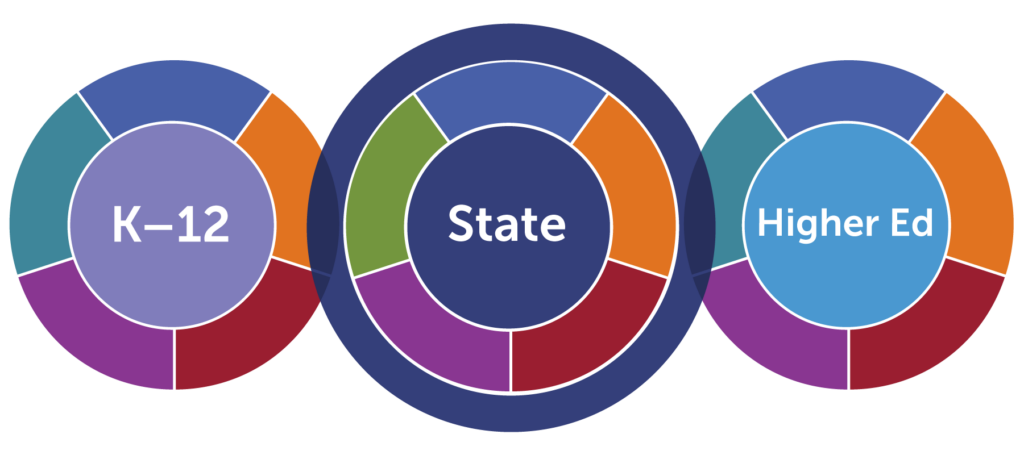



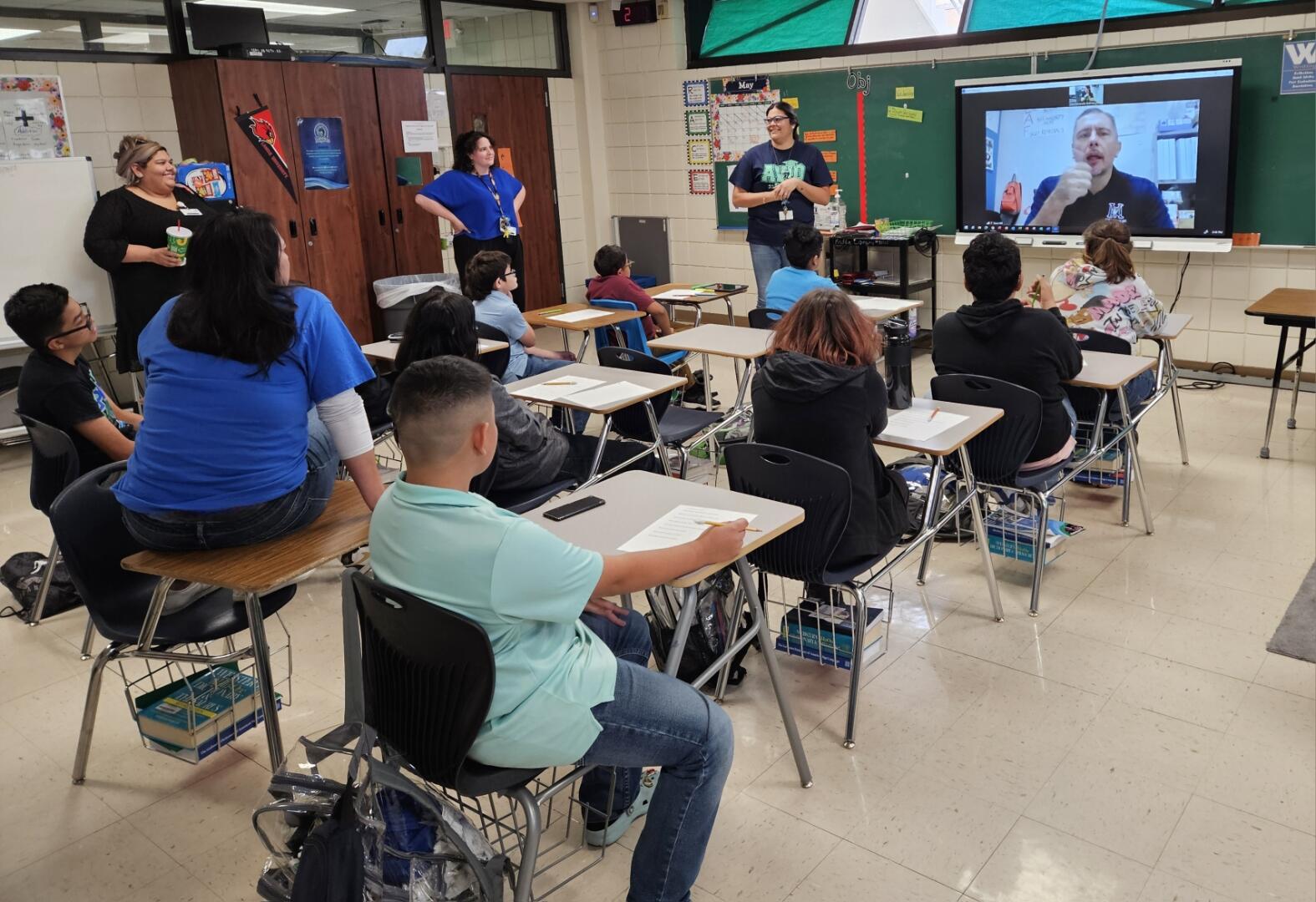
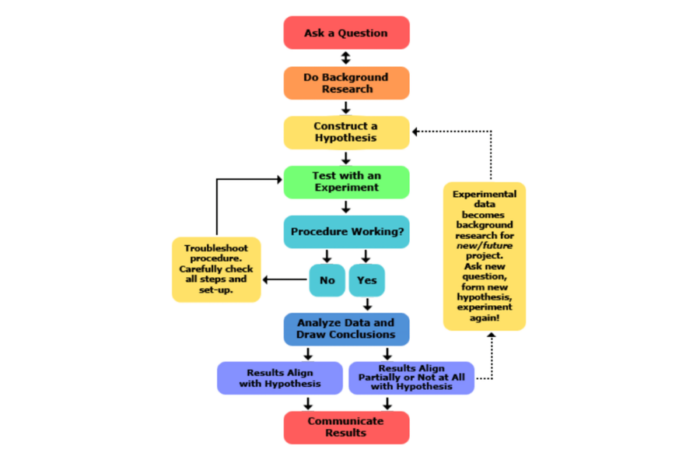

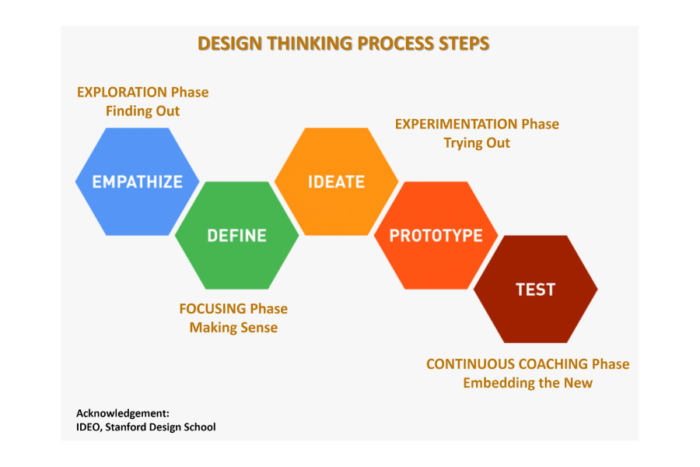
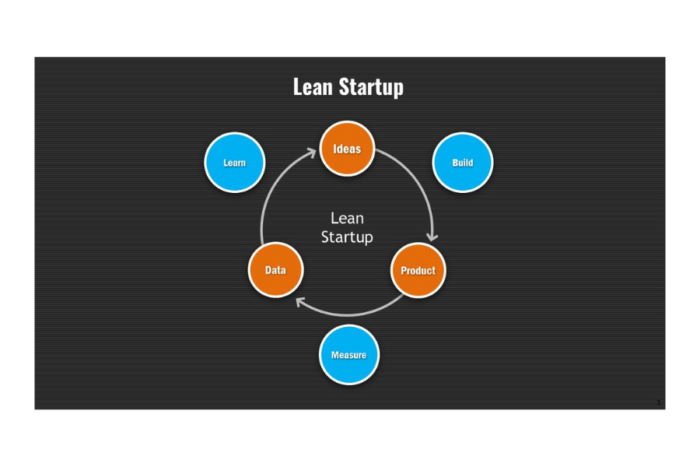

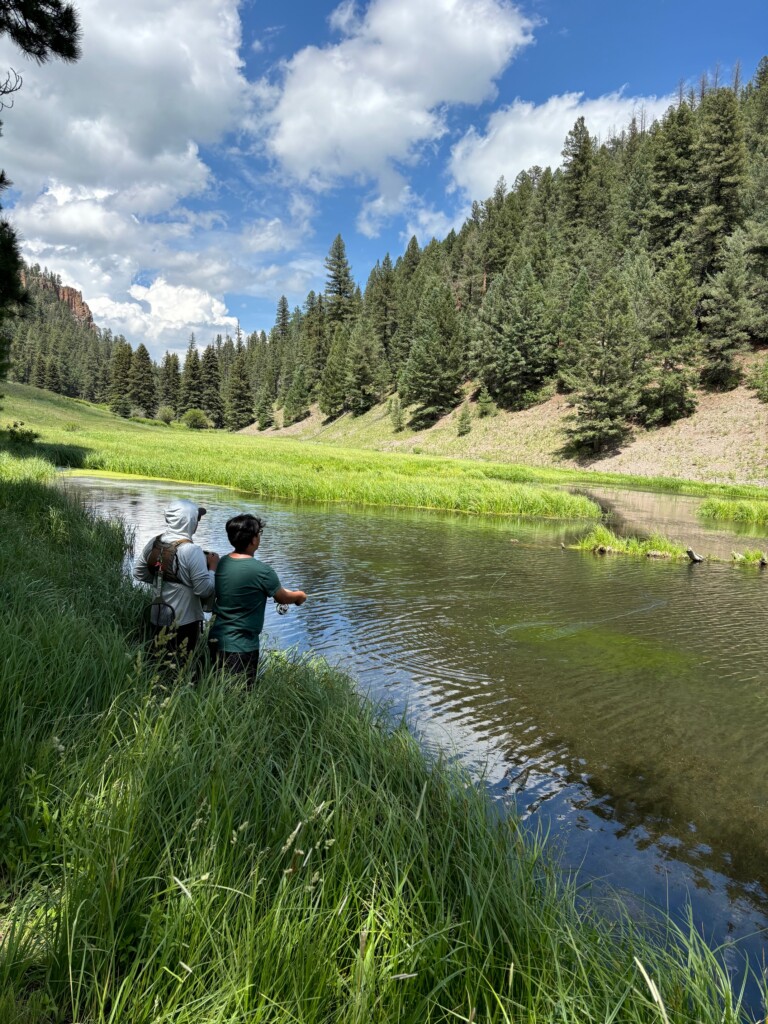
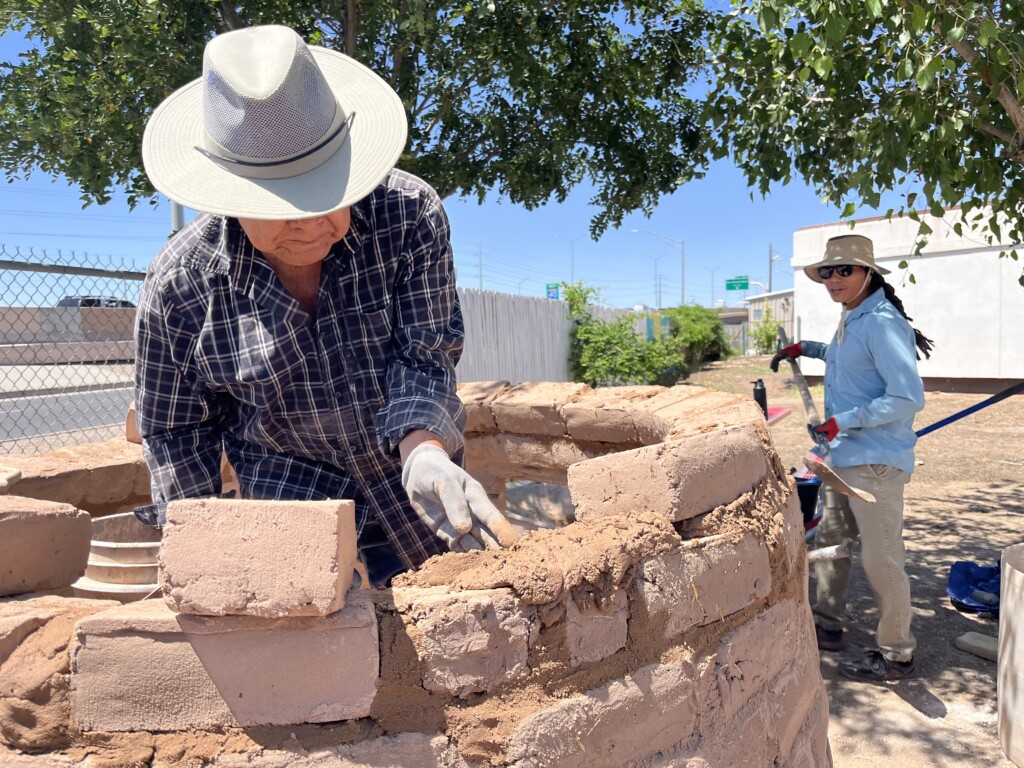
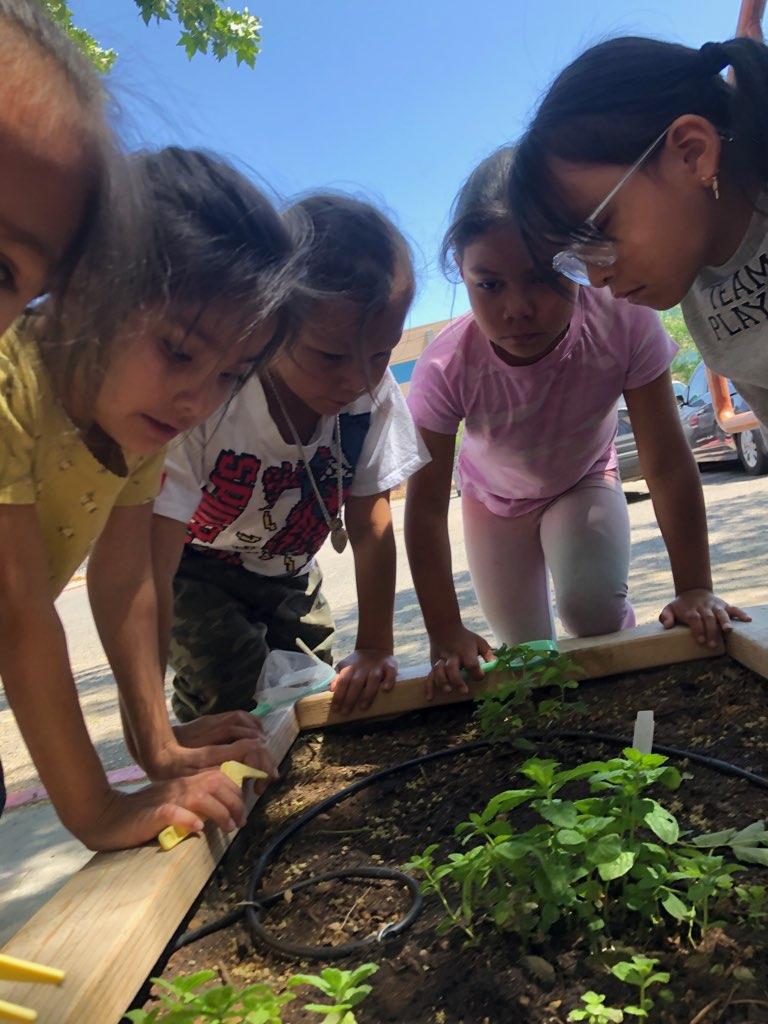
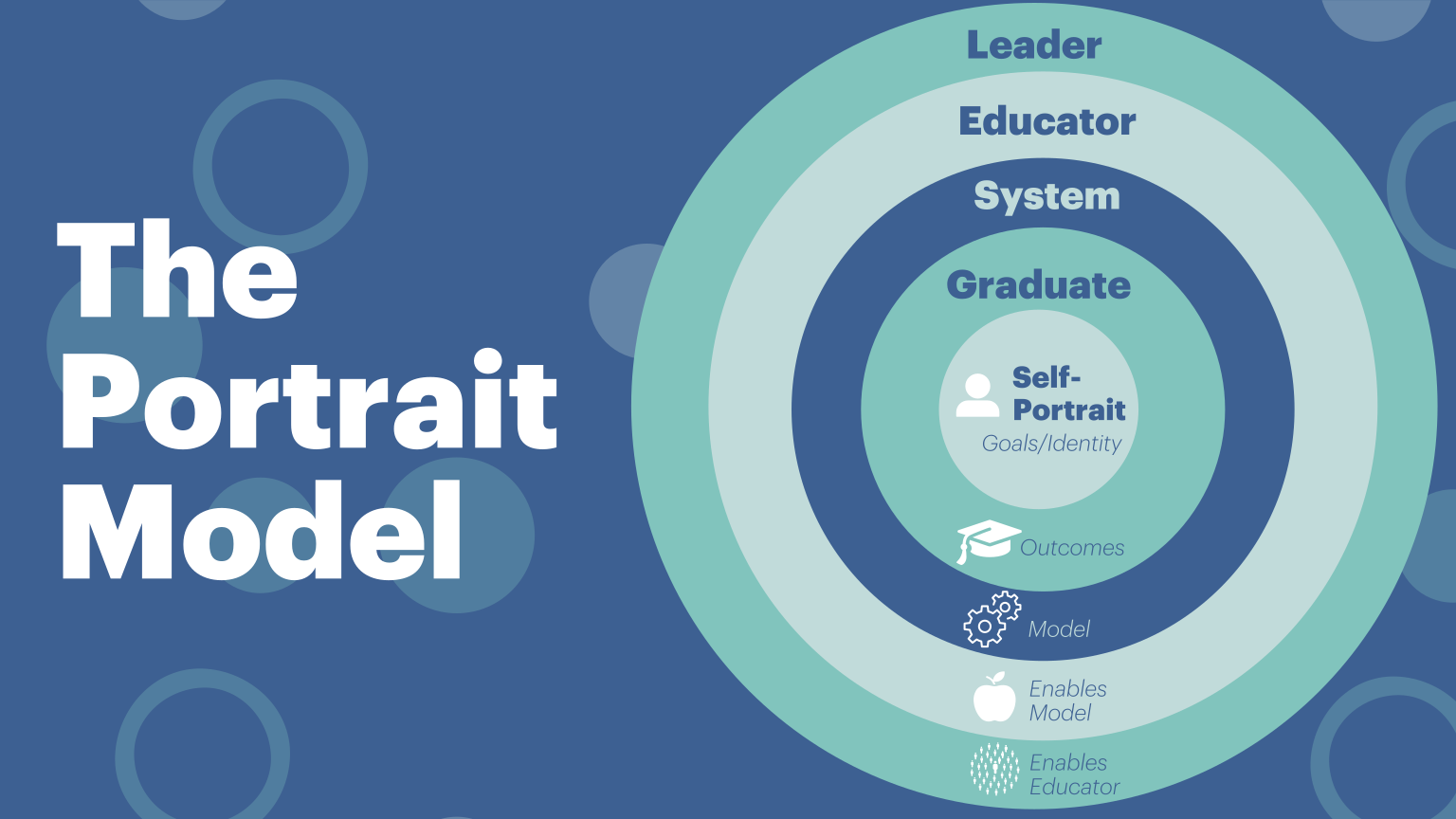

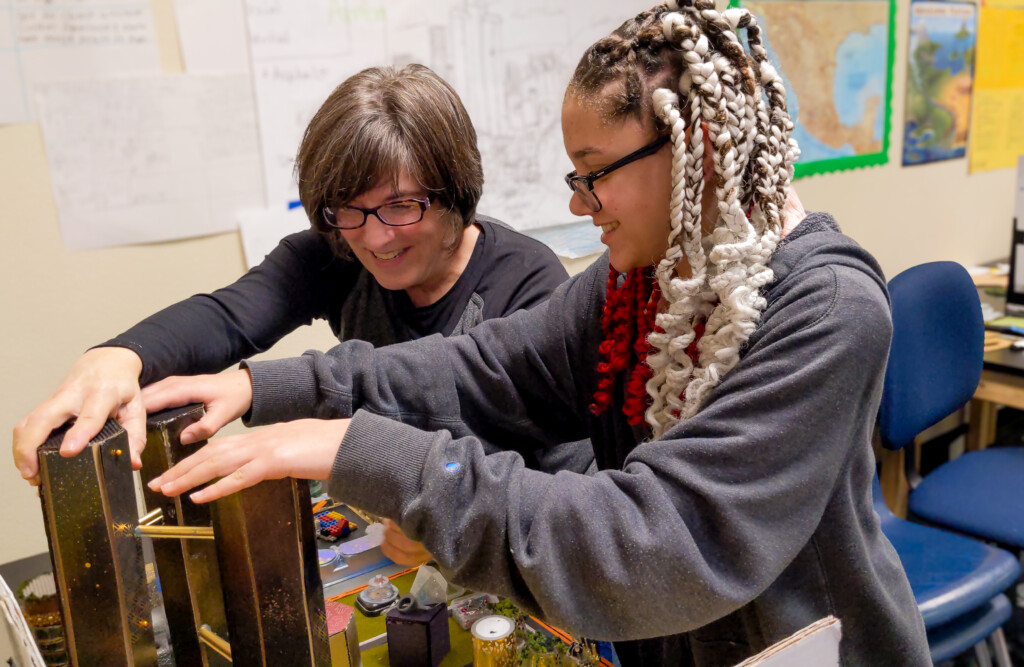
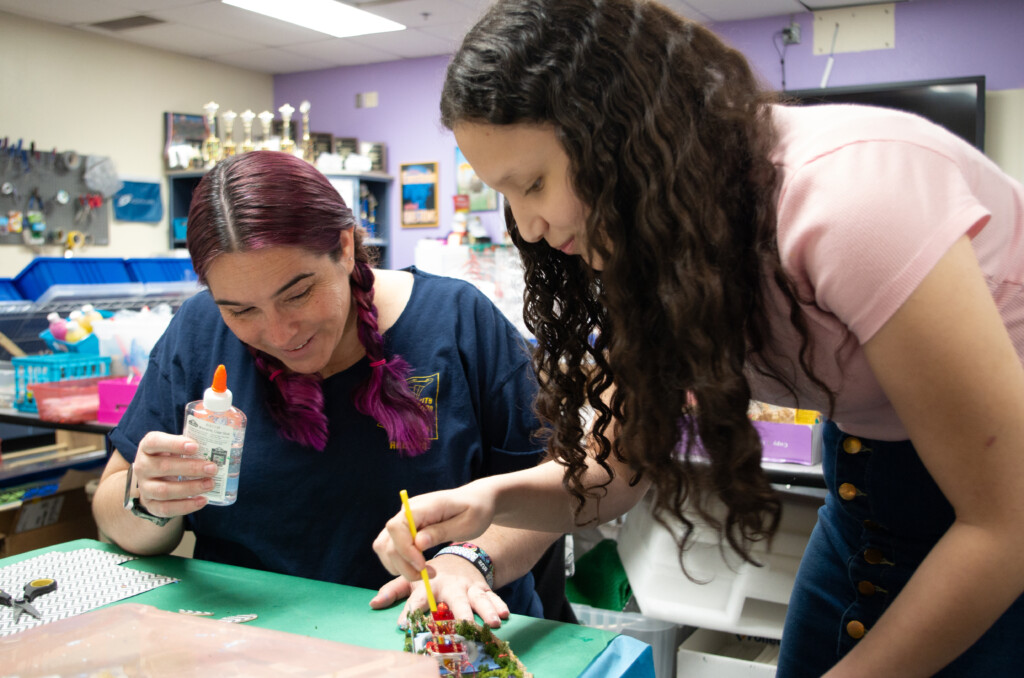
 Jeff Horton | Blog Site