The AI Revolution Should Foreground Youth Agency

By Michelle Culver and Tiffany C. Taylor

Ben, a high schooler in Los Angeles, is an avid gamer. He is always coming up with imaginative storyline ideas, but he’s never known anyone with design experience to help him create original games. 

When Ben attended a summer program in 2023 to explore his career interests, he had access to an AI assistant, a resource built in just 20 min by the Reinvention Lab at Teach For America using Playlab. Ben prompted the tool with the broad topic of game design and the assistant asked: “Are there any topics, genres, or themes you might be interested in?” He responded: “I really like Marvel and DC comics. And fighting games.” After some back and forth, the AI tool recommended Ben make a Marvel versus DC Comics fighting game on Scratch, a programming tool designed for young beginners. 

Even though none of the on-site instructors or peers had gaming experience, Ben was able to pursue his passion during the program. AI helped him refine the idea, narrow a topic, pick an approach, and decide where to start, while Ben remained in the driver’s seat to choose what he took from the tool.

By harnessing the intelligent assistance, personalization, and real-time interactions of generative AI, students are independently following their curiosities and learning new skills more easily than ever before. In order to help realize the full potential of generative AI as a tool for youth agency, learning, and leadership, education leaders need to unlearn assumptions about adults as gatekeepers of knowledge. 

Education isn’t just what happens when adults assign coursework in a classroom. One potential power of AI is that young people aren’t bound by or reliant on adults to drive their learning. Young people can ask questions of chatbot tools and get direct, synthesized responses tailored to their age, grade, or level of understanding. For example, a student can ask: “I’m a 6th grader and an introvert. I want to stop the cyberbullying at my school, but I am scared of becoming a target myself. Can you help me think about what I could do?”  

The accessible, actionable responses from AI, whether written, verbal or visual, shift power to young people in unprecedented ways. Izzy, a first-generation college student in San Francisco, explored financial literacy information that had not been part of her high school curriculum. She started with a simple prompt: “What are the basics I should know about financial literacy, but without any confusing jargon?” After learning more through the AI tool, she created a card game for other first-generation college students to share resources in a playful, low-tech format.

Alexandra, a 5th grader in Denver, was curious about animal psychology and asked a conversational AI app if animals could choose a favorite color. This launched her into a discovery process about how some animals have color preferences based on what is beneficial to their survival, such as birds who see ultraviolet light to find ripening fruits and insects. Both Izzy and Alexandra were able to initiate learning beyond the required content and curricula already available in school.
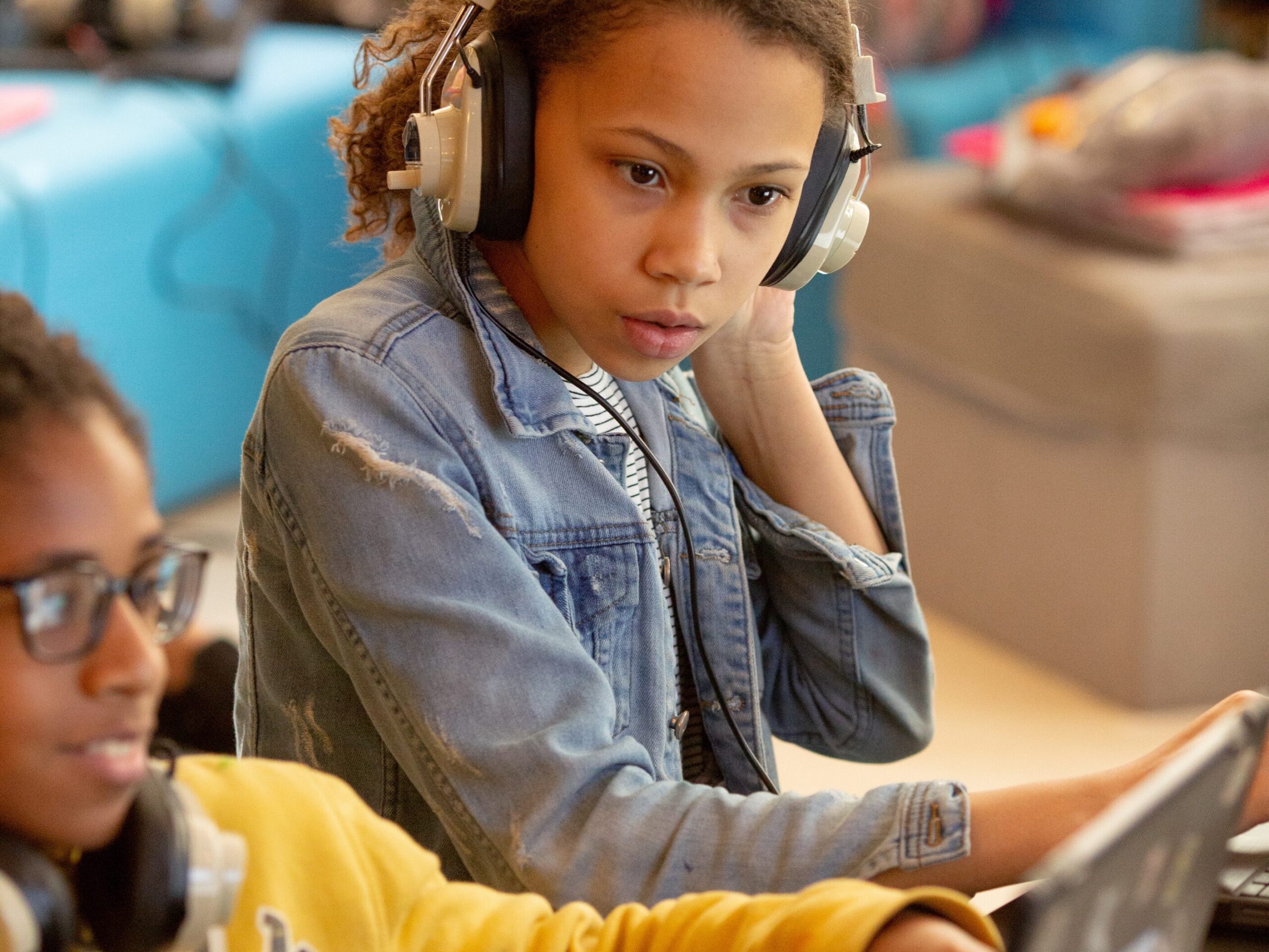
Two students look at a computer, one with headphones on.
Photo by Allison Shelley/The Verbatim Agency for EDUimages.

For this wave of innovation to be deployed for greater student agency, adults need to reject assumptions that they are and should be gatekeepers for learning. Not only are today’s young people tech natives, they will likely utilize AI tools before their teachers. And they are doing so with incredible results.

Students from Delhi, India used AI to build a boat that can monitor water quality and help identify clean water sources for villagers. A Nebraska college student leveraged AI to make a major breakthrough in deciphering language on 2000-year-old scrolls. Students can use AI to simplify tasks, such as producing professional presentations or social media content, and then build interest and momentum among their peers. The newest advancement with Sora’s text to video capabilities shows that an activist-minded teenager who wants to create art or film will need significantly less equipment, software, and training to advance their vision of social change. AI is taking youth initiative, ingenuity, and impact to the next level.

Young people are already at the forefront of addressing the serious issues and racial biases that remain with AI. Encode Justice, a youth movement for ethical AI, thwarted a California proposition to use surveillance software in criminal justice settings and has pushed for more federal regulation and oversight of AI. 

To be clear, teachers, experts, and peers remain critical partners in education and should never be fully replaced by AI. Learning is an inherently relational act, and students need support that positions them to engage critically and cautiously. 

As educators, we believe that if used responsibly, this wave of advancements in generative AI has the potential to transform education and youth leadership. Let us dream up and build a future of AI where students are in the driver’s seat.

Michelle Culver is the Founder of the Reinvention Lab at Teach For America. She serves on the board of RISE Colorado, a non-profit that works to put families most impacted by the opportunity gap at the forefront of the movement for educational equity. She is an advisor to Playlab, aiEDU and The Circle in India.

Tiffany C. Taylor is a Partner and Chief People & Impact Officer at GSV Ventures. She serves as a director on the AI Education Project board, a non-profit that creates equitable AI literacy learning experiences.The ASU+GSV Summit is hosting the inaugural AIR Show, an April 2024 exposition on the transformative future of AI and learning.

The post The AI Revolution Should Foreground Youth Agency appeared first on Getting Smart.

from Getting Smart https://www.gettingsmart.com/2024/03/05/title-the-ai-revolution-should-foreground-youth-agency/
Culturally Relevant Social and Emotional Assessments for Multilingual Students

By Evelyn Johnson

Multilingual learners (MLs) face unique challenges as they navigate learning a new language and culture while also pursuing academic learning. An increasing number of multilingual students arrive in the U.S. also having endured trauma resulting from war, instability, or persecution in their home countries. Language barriers and cultural differences can further exacerbate students’ challenges, underscoring the critical need for educators to address their social and emotional needs. 

Though MLs comprise nearly 10% of the school-age population, the most widely-used social-emotional skills frameworks and programs currently lack an intentional focus on how to support multilingual students’ unique strengths and challenges. To foster MLs’ academic success and well-being, educators must consider students’ cultures, languages, assets, expectations, norms, and life experiences when integrating social-emotional practices. All students thrive when they are validated and supported to achieve their goals, empathize with others, build relationships, and make responsible decisions. 

Strong evidence shows that social-emotional skills support students’ well-being, however, a one-size-fits-all approach can undermine cultural heritage, limiting the potential benefit to multilingual learners. Culturally relevant assessments offer a crucial starting point for meeting the needs of multilingual students. These assessments not only help educators gain a deeper understanding of their students but also foster a more inclusive and supportive learning environment that allows students to have the same experience as their peers with support in their native language. 

Creating Culturally Relevant Assessments 

The first step in creating culturally relevant assessments is ensuring accurate translation. Best practices recommend a certified translation company that will create a consensus translation that considers regional dialects. Guidance from the International Testing Commission suggests that translation alone is not enough to guarantee the cultural relevance of an assessment, particularly for constructs influenced by language and culture. A comprehensive cultural review by native speakers can bring to light constructs or items that might pose potential issues. This expert cultural review can be done by native speakers of the relevant language who have expertise in education or child development. 

Next, studies investigating measurement invariance evaluate the comparability of the translated and English versions of the assessment to show whether the assessment functions similarly across groups. Invariance suggests that comparisons can be made across groups and that results can be interpreted in similar ways. 

At Aperture Education, we have used this process to create several translated versions of the DESSA Student Self-Report social and emotional assessments, including Spanish and Chinese, two of the most common languages other than English used in the K-12 school system. After translating the DESSA into these languages, we worked with expert reviewers to determine the cultural relevance of the items and constructs included. Reviewers in both languages agreed that the items and constructs of the DESSA were culturally meaningful for Spanish and Chinese-speaking students. 

However, the reviewers also noted some items that could warrant additional review when interpreting an individual student’s results. For example, a reviewer noted that the item, “believe that you can make a difference”, is less emphasized in Chinese cultures because there tends to be a greater focus on collective efforts to make a difference. 

We used the results of our expert reviews to prepare guidance for educators who work with multilingual students. We included notes like the example above to help educators interpret assessment results more thoughtfully and to better understand their students’ needs. Furthermore, it can pave the way for conversations that help educators delve deeper into their students’ cultures, languages, and unique life experiences. 

Community Engagement

Strong family and community engagement is a key component of effective SEL programs. Families new to the U.S. benefit from inclusive practices, and sharing culturally relevant social and emotional assessments. Some school sites using culturally adapted versions of the student self-report also choose to share copies of the assessment in the relevant language with families. Sharing assessment items in their native language helps families feel included and can support their engagement in schools’ SEL efforts. It can also help families discuss the social and emotional skills included in the assessment and consider how to support students’ development of these skills at home. 

Other sites have not only shared the assessments but also invited families to complete and share the assessment of the student with the school. This promotes active engagement, and can also provide the school with a more holistic assessment of a students’ social and emotional skills. If there are notable differences in how certain items are rated for example, a community liaison or educator can reach out to families to learn more. 

Social-emotional skills play a crucial role in students’ academic success and well-being. Adopting culturally relevant assessments and inclusive community engagement practices can ensure that the unique strengths and challenges of multilingual students are addressed. Engaging multilingual learners and their families through culturally adapted assessments fosters a more supportive learning environment and can better support students’ social and emotional development.

For more information on what a culturally responsive classroom could look like, listen to a conversation with Alex Red Corn and a conversation with Hollie Mackey. 

Evelyn Johnson is the Vice President of Research & Development for Aperture Education and Professor Emeritus of Early and Special Education at Boise State University.

The post Culturally Relevant Social and Emotional Assessments for Multilingual Students appeared first on Getting Smart.

from Getting Smart https://www.gettingsmart.com/2024/03/04/culturally-relevant-social-and-emotional-assessments-for-multilingual-students/

Real World Learning in San Diego High Schools

More than 80 Kansas City area high schools are working on Real World Learning, a Kauffman Foundation-sponsored initiative was launched in 2018 with a series of community conversations that illuminated the way to the goal of providing valuable experiences to every high school graduate. These experiences include client projects, entrepreneurial experiences and internships. The

The four high schools in the North Kansas City School District are implementing career academies to integrate real-world learning into pathways for all secondary learners. NKC educators are visiting schools with strong examples of real-world learning. In January they visited four inspiring San Diego schools.   

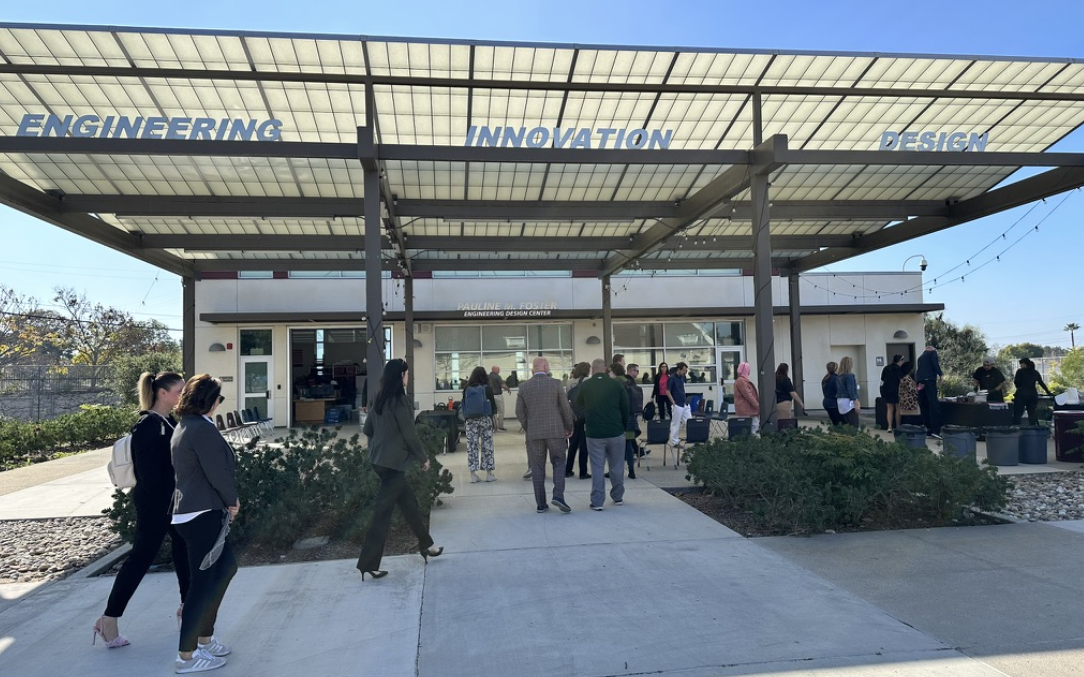
The Stanley E. Foster School of Engineering, Innovation and design at Kearny High

Kearny High

Kearny High opened in 1941 in the Linda Vista neighborhood of San Diego. It’s six miles north of downtown and Balboa Park on the Cabrillo Parkway (SR 163, the first freeway in San Diego County). Mesa College was built on a hill 20 years later right around the corner. 

By the 1990s, three-quarters of Kearny students were economically disadvantaged and achievement and graduation rates were low. In 2004, the school reopened as the Kearny High Educational Complex with four small career pathway schools:

In her 20th year at Kearny, Ana Diaz-Booz is the principal of the 1,400-student complex and supervises SCC. Rob Meza-Ehlert is in his 21st year leading DMD. James Michaelian leads EID. Dr. Shannon Garcia heads BST. The quality, longevity, and collaboration of their leadership has been key to the success of the pathway schools.  

Kearny schools share a 4×4 block schedule which enables students to complete four classes each semester and allows them to enroll in career courses and electives. Kearny students can graduate with up to 51 college units, a full year of college. Some juniors and seniors enroll in dual enrollment at nearby Mesa College.

Each school has its own entrance, distinctive culture, leadership structure and career pathway curriculum. What’s common is “The Kearny Way,” a shared instructional expectation and a commitment to know every student well. Stronger adult-student relationships have led to a decrease in discipline and an increase in engagement.

The remarkable quality, coherence, and path relevance of Kearny learning stems from strong teacher teams of grade-level cohorts. Shared planning time leads to tight integration of pathway projects that include real-world learning experiences. For example, seniors conduct a capstone project, a culminating presentation focuses on the defense of learning objectives with evidence and examples. Throughout their learning journey, learners reflect on their growth and preparation to step into postsecondary plans.   

Clairemont High

A few miles west of Kearny (toward Mission Bay) is Clairemont High, which opened in 1958. Serving 820 students, Clairemont is one of the smaller high schools in San Diego USD. 

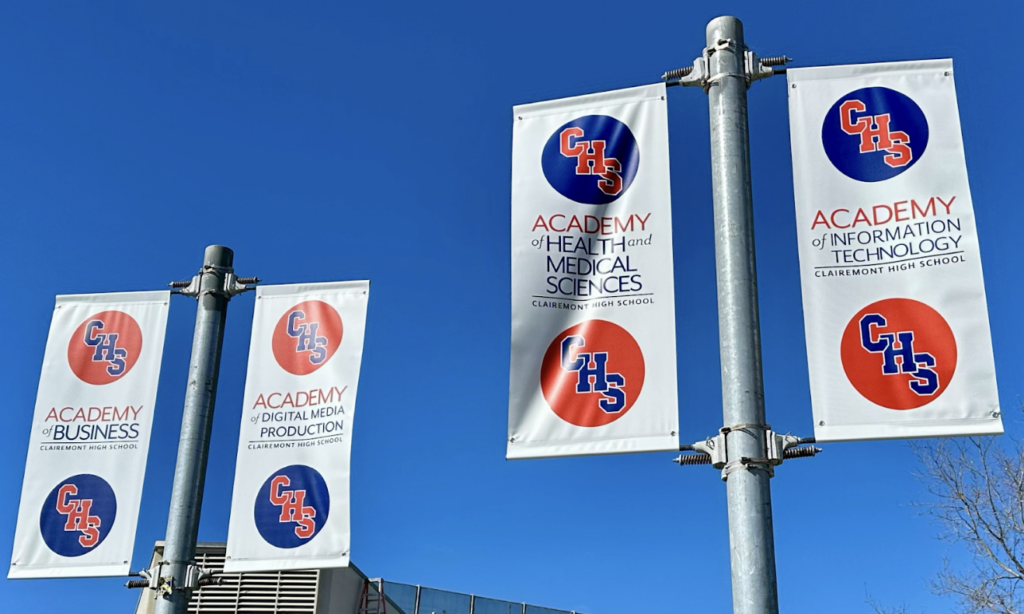
In 2015, with help from ConnectEd, the Clairemont staff implemented career pathways that gave learners the choice of four academies: Business, Digital Media, Health, and IT/Game Design. Alongside industry partners, teachers help learners build and manage projects across the curriculum. Each academy has about 70 students per grade level.

Academy of Business at Claremont High School

During the first two years of each academy, students have a common experience across an A/B schedule. The Freshman Foundations course provides an introduction to professional skills and project-based learning, goal setting and portfolio development. After these first two years, juniors and seniors begin their more personalized schedules with internships, dual enrollment courses and capstone experiences. Juniors meet with industry mentors monthly during the first semester and take a five-week introduction to Essential Workplace Skills. During the second semester, they engage in a 10-12 week internship (at least 70 hours). About 60% of graduates enroll in community college, while 30% attend four-year colleges and universities.

High Tech High Mesa

In between Clairemont and Kearny and just north of Mesa College is High Tech High Mesa, the sixth and newest K-12 campus in the High Tech High network. Located at an old elementary school, the K-8 grades share a traditional California campus. The high school is an updated facility featuring the classic HTH format with pods of two double classrooms around a common space with shared teacher offices and height, light and exposed structures.

The school’s mission is “to prepare a diverse range of students for postsecondary education, citizenship, and leadership grounded in the deeper learning competencies.” The school features integrated projects, performance-based assessments, internships for all students, and close links to the high-tech workplace. 

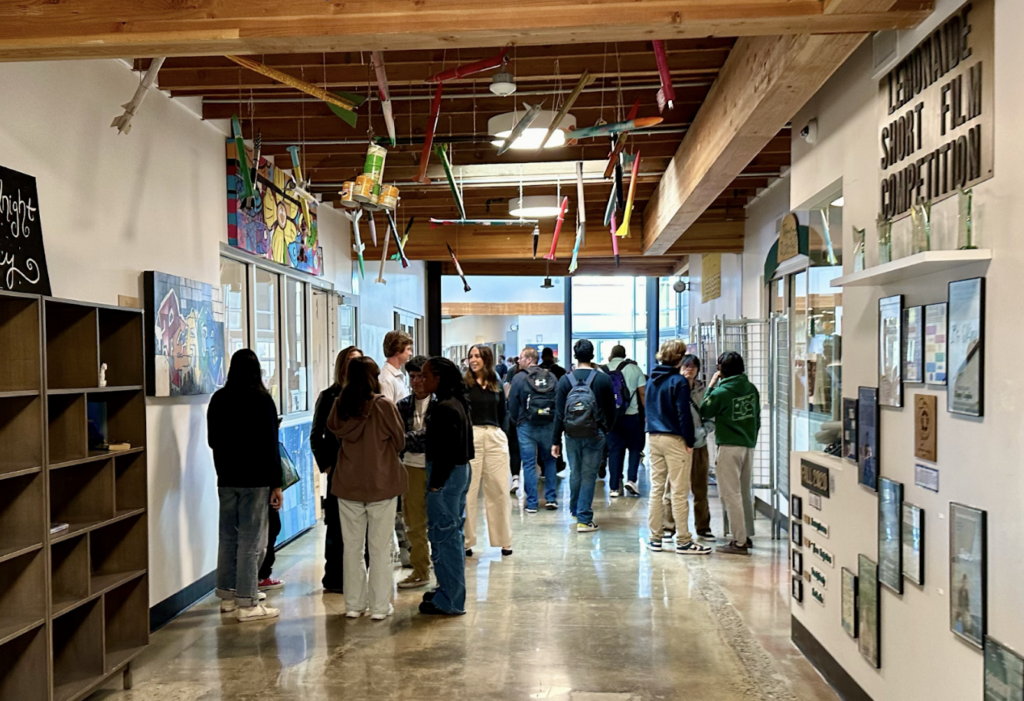
The hallways of High Tech High Mesa

On creating great real-world learning schools, HTH founder Larry Rosenstock said, “Make the city the text, let students do most of the talking, ask students to use their heads and hands, use tech as production more than consumption.”

Rosenstock defined school quality as: 

  • Students doing work that has value to THEM. 
  • Students having voice and choice in their learning and are creating new knowledge.
  • The school’s purpose is not to serve the public but to CREATE a public. They make walls as permeable as possible with the world outside of school—not citadels apart from the community.

The High Tech High network remains vital and extends its impact through the HTH Graduate School of Education which provides transformative degree programs and professional learning (and great school tours).

Del Lago Academy

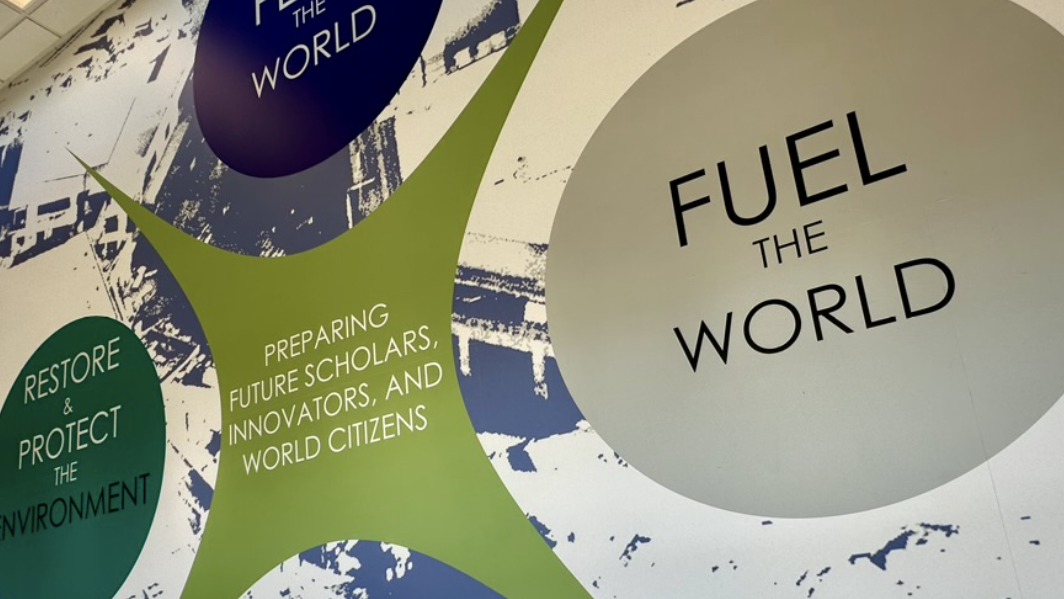
Del Lago Academy sits in north-central San Diego County. The academy was opened in 2013 by Escondido UHSD to extend access to careers in healthcare and biotech. The four pillars of the 800-student high school include: heal the world, fuel the world, feed the world, restore and protect the environment. Students engage in an interdisciplinary project focused on one of the pillars each semester. 

Cohorts of Del Lago learners take four classes together on Monday, Wednesday and Friday and have a big X Block on Tuesdays and Thursdays that facilitates internships (which are usually six weeks during the junior year). 

Visual seen in Del Lago Academy
Visual of the pillars seen in Del Lago Academy

The single-path curriculum includes three years of integrated math. Freshmen take Human Body Systems, Biomedical Science, and Exercise Nutrition. Sophomores and juniors take Biochemistry 1&2. 

Teachers model a collaborative culture. They share personalized learning strategies, emphasize reading and writing and health/biotech applications across the curriculum, and use competency-based grading protocols (including opportunities to make up/improve work).

Conclusion

Real-world learning looks different everywhere. Allowing students to focus on complex problems, creating a sense of community within their own cities and creating personalized learning systems that are steeped in centering students, provides students a variety of opportunities to engage in work that matters. 

High schools that include smaller learning communities and pathways of community-connected, project-based learning and internships supported by a strong advisory system continue to be one of the formulas of a successful real-world learning framework. 

There’s a lot more real-world learning happening in San Diego that we didn’t get to see on this trip. For more check out: 

The post Real World Learning in San Diego High Schools appeared first on Getting Smart.

from Getting Smart https://www.gettingsmart.com/2024/02/29/real-world-learning-in-san-diego-high-schools/

A Flexible Solution to Workforce Development and Economic Mobility

According to the Center For Economic Research, the number of unemployed black teens and young adults is much higher than the number of unemployed white teens and young adults. Also, last year, there were more jobs for teens than at any other time in 14 years. At least 250,000 more teens now have jobs than before the pandemic. “37% of 16–19-year-olds had jobs or were looking for work last year, according to the Labor Department.” 

Pathways programs, in or out of school, are helping to connect young people to employment and economic opportunities. These programs and platforms are successful when they make a wide variety of job opportunities accessible, providing young people with the freedom and choice to find jobs that uniquely fit into their lifestyles while giving them tools to establish a foundation of financial freedom.

These tools also are a boon to companies. They rapidly adjust to evolving workforce patterns and demands by making their job openings instantly available to a wide audience of untapped talent, using the power of AI to provide useful data to build, incentivize, and retain a robust talent pipeline.

The following attributes are core elements of effective early career matching tools: 

  • Diverse Opportunities: Entry-level jobs can range from gig-based roles to traditional employment, catering to the diverse preferences of today’s youth.
  • AI-Driven Matching: The rise of AI technology enables seamless integration across busy schedules, varied interests, and rapidly changing lives.
  • Economic Empowerment: These tools must enable teens to find jobs that fit their lifestyle and support their economic goals, providing them with resources and advice on financial literacy.
  • Accountability and Reliability: Companies must find reliable youth talent quickly and easily, addressing the issue of high turnover and saving costs.

These platforms and tools cannot simply be job-finding tools; they must facilitate support and guidance tools to help youth navigate the complexities of modern employment. To better understand the emerging tools, I spoke to William Ward, the Founder and CEO of Flexie, about how Flexie is working to support black and brown youth.

AB: How does Flexie work? Mission and Vision?

WW: Flexie has the simple mission of democratizing youth economic mobility. Our vision is to create a world that empowers everyone to succeed and thrive financially. True to its mission and vision, the Flexie platform focuses on three key areas: access to job opportunities, connection to social capital, and financial literacy. Flexie connects teens and young adults to various jobs that match their lifestyles and career aspirations, so they will not have to choose between working and going to school but can flexibly do both. 

We combined their ability to find flexible gigs, freelance projects, apprenticeships, and traditional jobs like internships and full-time and part-time jobs on a single platform. Young job seekers can create a profile on Flexie and specify their preferences for their desired jobs. We leverage AI to match them instantly when their preferred jobs become available. Soon, young people will have videos and training modules to guide them toward their career aspirations, a network of mentors in different professional fields to advise and help open doors for them, and tools to provide financial guidance and a path to creating generational wealth.

AB: How do you think education needs to change to empower students of color for the future workforce?

WW: As the workforce transitions from knowledge-based to skills-based, schools must play their part in preparing students to succeed. Research shows that over 70% of high schoolers feel unprepared for college or the workforce. This leaves many young people, 18 and over, who neither work nor go to school. Additionally, most young people, especially those from low-income communities, who eventually make it to college become worse off financially because they take on student loans and are not prepared for the workforce after graduation because they need more practical skills. Schools should incorporate practical work hours into their educational curriculum and encourage students to explore internships and apprenticeships early in their academic journeys. Flexie can be a strategic partner that connects schools and companies. 

AB: How do you see the workforce changing to enable students to succeed?

WW: We see more companies embracing nontraditional work methods that provide better flexibility and options for high schoolers. For example, some companies working with Flexie have opened flexible shifts, which is a win-win for them and students working on the Flexie platform. 

Companies can maintain a pool of rotating “Flexers” that cover their open shifts, while students can conveniently work schedules that match their availability. We also see a growing number of industrial companies taking on more high school interns and apprentices, which opens opportunities for early career and technical education competencies for high schoolers and provides a pathway to meaningful wages. 

AB: Give me an example of a Flexie success story.

WW: Flexie is becoming a staple for our early adopters of high school and college students. They enjoy flexibility and access to financial independence. One of our early users, Debany, is now a high school student. Flexie was her first job when we started the pilot last year. Previously, Debany could not hold a regular job as the eldest of her six siblings, for whom she provided care and was actively involved in school activities. With Flexie, Debany could plan her work schedule around her availability and commit to school and personal obligations. Through Flexie, Debany eventually bought her first car. See Debany’s and other students’ stories

AB: What organizations, schools, and companies use Flexie now?

WW: Flexie works with students from various high schools in Charlotte, including Julius Chambers, West Charlotte, Hawthorne, Charlotte Lab, and Olympic High School. We also work with national brands like Chick-fil-A and McDonald’s and will soon expand to clean energy and other industrial companies. We also partner with local organizations working with students, including Communities in Schools, MeckEd, and Road to Hire.

AB: What is your hope for Flexie’s future?

WW: I aim for Flexie to become a future-of-work leader for an evolving workforce. Flexie’s unique approach of allowing young job seekers to find nontraditional jobs (gigs, freelance projects, and apprenticeships) and traditional jobs (full-time, part-time, and internships) on a single platform and its proprietary algorithm helps companies quickly identify and cultivate high-performing and highly reliable early talent, positioning the company to become a future market leader.

The post A Flexible Solution to Workforce Development and Economic Mobility appeared first on Getting Smart.

from Getting Smart https://www.gettingsmart.com/2024/02/27/a-flexible-solution-to-workforce-development-and-economic-mobility/

The Role of Microschool Incubators: Nurturing the Future of Education

Across the country, we’re seeing an emergence of new learning models that have been accelerated by rapid responses to the pandemic as well as shifting local and national policy. Our microschools campaign reflects our commitment to unpacking and highlighting this emerging landscape and amplifying the important work of the numerous education leaders working on this innovative edge. In our early research, we identified four unique categories in the microschooling landscape:

  • Operators: Organizations that establish and oversee charter microschools, which may or may not have distinct school codes, and manage their day-to-day operations.
  • Intermediaries: Often referred to as model providers, these are entities that build networks of affiliates, facilitating the establishment and support of various microschool models. These affiliates can include public school districts, nonprofit private schools (both new and converting), and homeschool parents.
  • School within School/Part-time Programs: This group represents schools that are located within an existing school and often utilize the co-located school code. They often represent both full and part-time options and are sometimes referred to as programs. This group also represents part-time programs and pathways that operate across schools, districts, and even networks.
  • Incubators: Incubators in the context of microschools, are mentor organizations or schools that offer established, comprehensive frameworks and resources to support individuals or groups looking to establish and operate their own microschools. 

In the Fall of 2023, the A Big Push for Small Schools grant program launched and is focused on fostering a network of microschool leaders, by offering grants to propel the development of these innovative learning environments with an emphasis on operators looking to scale their high-quality models. 

As part of our initiative, we launched a Community of Practice (CoP) to convene a group of dynamic microschool leaders and learning providers. In our first CoP, we chose to focus on the emerging category of microschool incubators. In this incubator CoP, the emphasis on open dialogue allowed for the exchange of innovative solutions and ideas. The diverse backgrounds and experiences of the participants fostered a solid foundation for collective learning. Through the exchange of ideas, perspectives, and innovative approaches, this dynamic group has contributed to further defining the microschool landscape.

In the dynamic landscape of modern education, incubators are emerging as pivotal players. These entities are not just supportive resources; they are the torchbearers of innovation and personalization in the educational sphere. Let’s delve into understanding the multifaceted role they play.

What are Microschool Incubators?

Incubators are specialized institutions or organizations that facilitate the creation, design, and development of microschools. These are small, community-focused educational settings that offer a personalized learning environment. Small, easy-to-pivot, responsive, and relational, microschools meet the need for learning environments to be ever-evolving to better empower the learners and families they serve. 

Many incubators are birthed out of successful microschools or microschool networks. They model organic growth from within. Incubators are a backbone of support for many microschools, offering a range of services from sharing best practices to providing hands-on assistance in setting up new schools. Microschool incubators, however, are more than just support systems; they catalyze change in the educational sector. By prioritizing learner-centered approaches and embracing innovation, incubators are paving the way for a future where education is more adaptive, personalized, and relevant to the needs of modern learners. 

Core Functions of Microschool Incubators

Our CoP identified the following areas as the core functions for incubators in the small school space:

  • Resource and Best Practice Sharing: Incubators are repositories of knowledge and experience in the microschool arena. They guide curriculum design, teaching methodologies, and school management, ensuring that emerging microschools have access to tried and tested strategies.
  • Flexibility in Approach: While the methods and strategies may vary, the core objective remains constant: to provide learner-centered education that aligns with successful graduate profiles. Incubators are flexible in their approach, their leaders reminding us that it is very important to understand that there is no one-size-fits-all solution in education.
  • Human-Centered Design and Iteration: The concept of human-centered design is central to the philosophy of Incubators. This approach prioritizes the needs and experiences of learners, ensuring that educational models are constantly iterated upon to meet these needs better.
  • Fostering Real-World Learning: Incubators emphasize learning that is grounded in real-world experiences and meaningful engagements. This approach ensures that education is not just about content delivery but about preparing learners for the challenges of the real world.
  • Personalization and Learner Agency: Recognizing that each learner is unique, incubators advocate for personalized learning paths. They encourage microschools to provide learners with agency, allowing them to have a say in their learning process and to engage with content that resonates with their individual needs and interests.
  • Responsiveness and Support: Incubators are known for their agility and responsiveness. Focused on the goal of helping microschools provide learners with agency, they quickly adapt to the needs of their clients and microschool families, students, and educators. Incubators do this by providing timely support and interventions to ensure the smooth functioning of these educational entities.
  • Embracing Failure as a Learning Tool: A distinctive aspect of Incubators is their willingness to embrace failure as part of the learning and development process. By constantly evolving and being open to experimentation, they embody a mindset of growth and continuous improvement.
  • Nurturing Innovation and Agility: Incubators are adept at nurturing innovative ideas and are equipped to pivot when necessary. This agility allows them to stay ahead in the ever-changing landscape of education.
  • Belonging and Inclusion: At their very core, incubators are committed to fostering learning environments that thrive on the sociocultural, socioeconomic, and learning diversity of their respective communities. As such, a sense of belonging and commitment to inclusion are shared values for incubators.

Meet our Incubator Community

Here’s a brief snapshot of the organizations who contributed to the CoP, each bringing their unique backgrounds and experiences. 

  • The Institute of Self-Directed Learning is dedicated to reshaping traditional educational paradigms, empowering learners to become self-directed and independent. By fostering environments that encourage critical thinking, problem-solving, and freedom in learning, we aim to equip youth with the skills needed for success in an ever-evolving world. Of the many schools they’ve cultivated, The Forest School nurtures skills, habits, and mindsets for meaningful lives through innovative practices including place-based and experiential learning, flexibility, and community partnerships, creating a unique educational experience.
  • La Paz Global serves as a visionary incubator for inclusive and innovative education, aiming to provide high-quality opportunities that cultivate global citizenship. With a focus on empathy, understanding, and critical thinking, La Paz Global envisions a future where learning communities prioritize collaboration, compassion, and knowledge, empowering individuals to contribute to a more equitable, just, and sustainable world.
  • Mysa Microschool serves as an innovative incubator for modern education, employing research-informed teaching practices transferable to public schools. With a philosophy aligned with Montessori, Mysa embraces a place-based learning model, creating nurturing communities where students explore their strengths and contribute meaningfully to the world. 
  • One Stone goes beyond traditional education, serving as a dynamic incubator for student-driven innovation across 20 high schools in the Treasure Valley. Rooted in empathy and design thinking, One Stone empowers students to explore passions, enact real-world solutions, and revolutionize learning, fostering a generation of changemakers. Lab51, an urban microschool in Boise, ID, extends this innovative approach globally, emphasizing student-driven governance, competency-based learning, and a growth transcript to cultivate a mindset for meaningful work and global impact.
  • On Track Academy & Pratt Academy, are pioneering choice high schools by Spokane Public Schools. With Pratt Core and Pratt North serving grades 9-12, the academy offers small class sizes, technology-based courses, and project-based learning. Focused on student-directed education and mentoring, Pratt Academy creates a supportive community, emphasizing restorative practices and individualized learning plans.
  • Primer Microschools, located in Miami, FL, fosters creativity and independent thinking. Founded to free the next generation, Primer empowers educators to launch personalized, passion-driven microschools. The innovative practices of Primer include small-group settings, mixed-age learning, personalized learning supported by in-house technology, and a focus on goals over grades.
  • Springhouse Community School, Nestled in rural Pilot, VA, Springhouse envisions a world where all life thrives. Founder Jenny Finn’s commitment to Sourced Education principles creates a transformative learning environment. Springhouse’s innovative practices include place-based learning, experiential education, and a focus on social justice, addressing the unique needs of each learner by building competence and confidence.
  • Da Vinci RISE High is shaping the future as an aspiring incubator by providing a model that emphasizes project-based, real-world learning. Their collaboration with industry and higher education partners ensures a curriculum that prepares students for diverse pathways, aligning with the principles of microschools. Additionally, RISE’s small school environment fosters a sense of community and personalized learning, reflecting the microschool philosophy of individualized education within a supportive community.

Join the Microschool Movement: Stay Tuned for Our Next Community of Practice!

As we gear up to launch our next Community of Practice, a dynamic gathering of thought leaders, microschool innovators and learning providers, we encourage you to stay tuned for updates. Be the first to explore cutting-edge insights, exchange ideas, and contribute to the transformative dialogue within the microschool landscape. Your participation will elevate your educational initiatives and contribute to the collective growth of the microschool movement. Subscribe to our updates and drop Victoria an email to be included in our next CoP.

The post The Role of Microschool Incubators: Nurturing the Future of Education appeared first on Getting Smart.

from Getting Smart https://www.gettingsmart.com/2024/02/26/the-role-of-microschool-incubators-nurturing-the-future-of-education/

There’s Something In the AIR: The Brave New World’s Fair

The ASU+GSV AIR Show, set for April 13-15, 2024, at the San Diego Convention Center, is dubbed a “Brave New World’s Fair,” and will explore the intersection of artificial intelligence (AI) and education. This event will gather educators, administrators, founders, investors, professionals, and AI enthusiasts from around the world and will feature practical tools, keynotes, workshops, product demos, and over 100 AI exhibitors. 

It’s a hub for learning new skills, experiencing technological advancements, and networking with leaders and peers in the field. Keynoted by Bill Nye, this event will feature numerous Getting Smart regulars such as Tom Vander Ark, Erin Mote, Amada Bickerstaff and Sabba Quidwai.

Additionally, the program is packed with education leaders, entrepreneurs and difference-makers including:

  • Yusuf Ahmad, Playlab
  • Aaron Cuny, AI for Equity
  • Jhone Ebert, Nevada Superintendent 
  • Bodo Hoenen, NOLEJ
  • Alex Fortran, aiEDU
  • JD Larock, NFTE
  • Maria Langworthy, CampusEvolve
  • Jeff Livingston, EdSolutions
  • Jason Raush, PLTW
  • Jeremy Roschelle, Digital Promise 
  • Taylor Shead, Stemuli
  • Katrina Stevens, The Tech

“Artificial Intelligence is Air—Ubiquitous. Invisible. Required for Life.”

Sessions to Look Forward To

Tom Vander Ark and Sabba Quidwai are going to be tag teaming a number of sessions at this event including:

Irrelevant or Irreplaceable: The Superpowers That Will Shape Your Contribution in an AI World

As the lines between human and machine capabilities continue to blur join us to help answer: 

What are the skills and mindsets that define our human advantage? This isn’t just a technology question, it’s a human question that gives everyone the opportunity to redefine their role and impact in an AI world. We’ll share where AI is now, where it is headed in the future, and the qualities that will make you irreplaceable. 

Is There a Different Way: A Design Thinking Approach to AI Integration 

How might we design systems that are human-centered and technology-driven? In this session you’ll learn how four organizations used a design thinking approach to AI integration to turn information into innovation. Learn how they fostered an environment where teachers, students, staff, and leaders cultivate the mindset and skills to embrace AI as a collaborative partner, enhancing creativity, building trust, and amplifying their human advantage. This session not only invites you to envision deeply human-centered systems—where technology strengthens empathy and connection—but also encourages you to bring your questions and engage directly with the transformative potential of AI in education.

Supercharging Real World Learning With AI. How gen AI helps learners co-author community connected projects.

Discover how generative AI is revolutionizing real-world learning by enabling students to co-author projects that deeply connect with their communities. Hear how two schools are using technology not only as a tool for learning but as a partner in creating meaningful, impactful work. We’ll share how it empowers learners to design projects that reflect their skills, ideas, and aspirations, enabling them to build dynamic portfolios that showcase their unique contributions to real-world challenges. We’ll explore the ways in which generative AI amplifies students’ abilities to innovate, collaborate, and make a difference, preparing them for a future where their education directly contributes to college and career readiness, and the advancement of their communities.

Supercharging Teaching With AI. How gen AI can help teachers design and support powerful learning experiences 

More than just a tool, AI can become an integral member of your educational team, freeing up your time to focus on what matters most: building meaningful relationships and rediscovering the art and joy of teaching.  With your new Educator’s AI Toolkit, designed to infuse generative AI seamlessly into your workflow we will practice innovative strategies to elevate assessments from papers to engaging project-based experiences and turn traditional lessons into dynamic learning adventures. Your take-home toolkit will make AI a collaborative partner enhancing both your professional skills and your students’ learning experiences.

Why This Matters

This event couldn’t be coming at a better time. A survey from EdWeek shows that most educators are still not using AI despite it being an increasingly accessible and powerful tool with radical potential.  

Sites like Teach.AI offer resources to introduce AI into schools and districts, and organizations like Michigan Virtual are creating helpful resources and roadmaps for upskilling their teacher force. We’re living in a new world and it’s time to get in the shuffle and start playing. AI for Education from Amanda Bickerstaff offers helpful guides and prompts to get educators in the sandbox.

The post There’s Something In the AIR: The Brave New World’s Fair appeared first on Getting Smart.

from Getting Smart https://www.gettingsmart.com/2024/02/23/theres-something-in-the-air-the-brave-new-worlds-fair/

Where Does Work to Imagine a Learner-Centered Ecosystem Begin?

By: Alin Bennett

It’s a big year for democracy. In America and around the world, the justness, equity, and strength of democracy is being tested. Surrounding these debates are many questions about how to create the future our children deserve, with an education that develops their resilience for an unwritten and ever-changing future. Amid frustration centered on the challenges facing public schools and concern over the shrinking of “Main Street” in towns across the country, community-based, learner-centered ecosystems offer a path forward. In this design for public education, learning leverages the assets, insights and expertise of a wide variety of organizations and people in a community, prioritizing learning that is tangible and relevant to each young person.

But how can we make these ecosystems possible throughout the country? Ecosystems for the Future of Learning, a report conducted by The History Co:Lab and Education Reimagined, commissioned by the Carnegie Foundation for the Advancement of Teaching, examines this question. The culmination of months of fieldwork, this report outlines what an ecosystem development process might look like in different communities and what’s needed to make the ecosystem successful. 

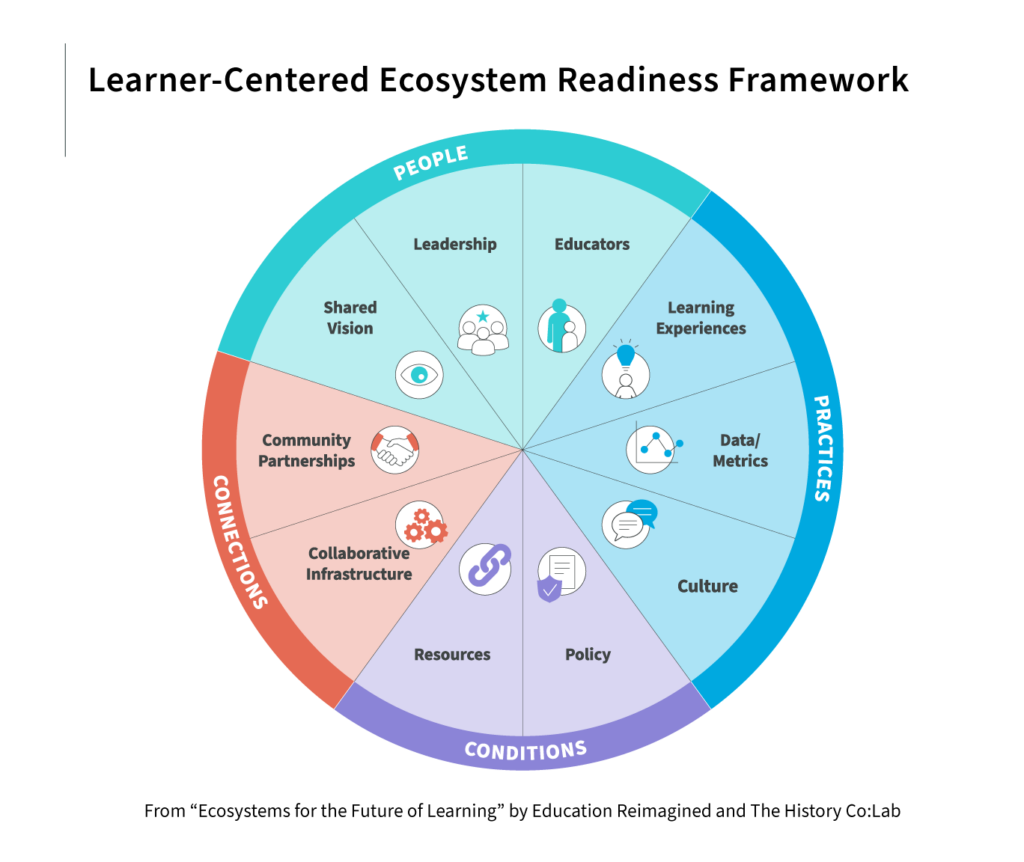
The report established and utilizes the Ecosystem Readiness Framework to show how communities could grow their ecosystem by starting with one of four focus areas: people, practices, connections and conditions. Here, I explore key insights from two of the sites exploring ecosystems through the lens of this framework. The hope is that inventors, educators, funders and community leaders see that this approach is not just a dream, but a viable opportunity with roots that we can all contribute to nurturing, supporting, and growing.

The Learner-Centered Ecosystem Readiness Framework

PRACTICES: Norris School District

“Aligned sets of methodologies and approaches that develop the networked learning experiences of young people and the ways in which families, educators and community members can contribute.”

As a rural, public school district in Waukesha County, WI, Norris School District presents a unique opportunity for young people to engage with learning in ways that are authentic to them. Norris primarily serves learners whose ambitions, challenges or needs couldn’t be met by the conventional school system, including adjudicated youth. The passionate educators at Norris ensure a culture of belonging, respect and responsibility, all while developing the skills needed for a meaningful future. 

One piece of Norris’s framework centers around learner profiles, which help each person to identify and attain goals across the four dimensions of academics, employability, citizenship, and wellness. This practice helps learners understand themselves more fully, such as what motivates and interests them. In turn, this offers the educators at Norris additional ways to connect with their young people as full human beings and set goals for continued learning. 

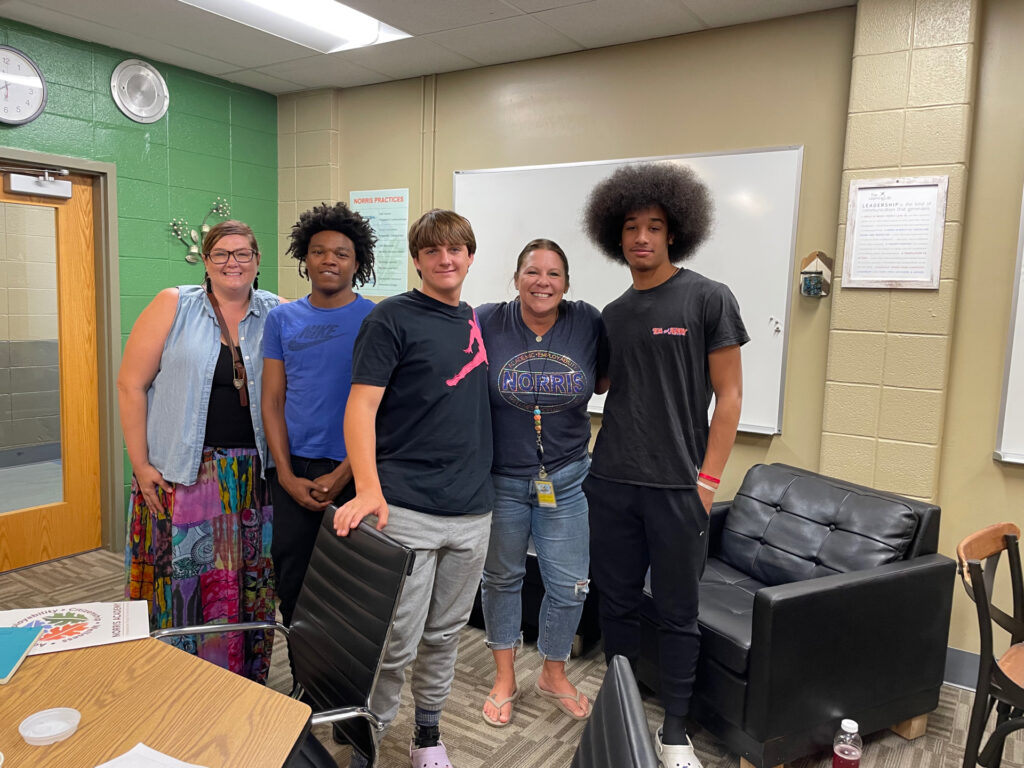
Students from Norris School District

As part of the exploration work for this report, site leaders visited some of each other’s sites. While visiting FabNewport, a vibrant youth development organization in Newport, RI, leaders at Norris saw examples of how they could further expand opportunities for their learners beyond their campus. Norris witnessed deep partnerships within FabNewport’s community that opened worlds for learners. These included a wildlife sanctuary, local farms, and art studios. By seeing FabNewport’s community connections in action, the leadership team at Norris began brainstorming ways to connect their learners with more opportunities, particularly within their extended community. To bring this expanded vision to life, the Norris team has mapped their community assets—identifying over 100 resources—and begun forging relationships with these potential partners to serve as field sites and learning hubs. 

What Norris is building toward is the ability for learners to integrate meaningful community connections into accredited learning, supporting each learner in their individual goals. By connecting learning experiences back to the individual’s learner profile, Norris can meaningfully validate learning that continually happens all around us. Building these bridges and richly adding onto existing practices is one way learner-centered ecosystems can begin to flourish. 

CONDITIONS: Purdue Polytechnic High School

“The financial and policy forces that combine to create an enabling environment in which an ecosystem can be built and operate.”

Purdue Polytechnic High School (PPHS) is a public charter school founded by Purdue University and the city of Indianapolis in partnership with community, industry and academic leaders, and a statewide innovative charter network operator with multiple locations and no admission requirements. 

The PPHS team has big ambitions to engage learners with an ecosystem approach to learning. However, this rich learning environment still feels the tension of providing every learner with a unique, relevant experience within the structures of a comprehensive high school. To explore learner-centered ecosystems, PPHS opened a microschool with two advisories, serving as home bases for young people to build relationships and learn in a more personalized setting. It can be difficult to ensure every young person is known in a school of several hundred, but with microschools, anonymity is not an option. While the viability of microschools are historically fragile, these microschools have a huge benefit—access to shared services. 

A student at Purdue Polytechnic High School.

Educators and learners in the microschools can utilize all of the services of the larger high school—dining, recreation, even support staff services and human resources. These shared services lower the financial overhead of the microschools, allowing learners to access the resources, all while being in a smaller environment where they can be seen and known. These conditions allow the microschools to be nimble and serve learners in dynamic ways.

Leveraging the ability to connect to shared services, this pilot proved successful. As PPHS explores what comes next beyond their expansion, it’s clear that this microschool model—which mirrors the home base of a learner-centered ecosystem—has viability for helping all learners access meaningful opportunities. 

With 13 sites featured in the full report, these are just two examples of how sites are beginning to develop learner-centered ecosystems and identify areas for intentional expansion. These ecosystems will require many moving parts to work in harmony to successfully exist. By identifying a strong foundation of people, practices, connections, or conditions, ecosystem engineers can add the pieces their community needs for authentic and meaningful learning experiences for all young people.

Be sure to register for the upcoming Getting Smart Town Hall to learn more.

Alin Bennett is the Vice President of Practice and Field Advancement at Education Reimagined.

The post Where Does Work to Imagine a Learner-Centered Ecosystem Begin? appeared first on Getting Smart.

from Getting Smart https://www.gettingsmart.com/2024/02/20/where-does-work-to-imagine-a-learner-centered-ecosystem-begin/

Career-Connected Learning: Preparing Students for a Dynamic Future

The world of work is changing more rapidly than ever. To help students develop new priority skills and a sense of purpose, educators nationwide are facilitating career exploration and work-based learning experiences. An evolving strategy known as career-connected learning (CCL) helps students forge real-world connections, gain career exposure, and build vital skills they’ll need for a successful future.

Da Vinci Schools and Transcend recently hosted a gathering on career-connected learning. These six elements were highlighted throughout the gathering. 

Career Connected Learning Starts with Exploration and Reflection

Cajon Valley USD learners engage in 54 immersive World of Work units of study K-8. After engaging in projects and meeting professionals, learners reflect on their strengths, interests and values and how they line up with the possible future (see feature).  

ASA’s EvolveMe and FutureScape provide tools for interest inventories and career exploration for middle school students that are directly connected to passions and interests. With pathways ranging from Health Science to Hospitality and Tourism to Information Technology, students catch a glimpse of career options, pay range, and adjacent career opportunities. 

Career Connected Learning Benefits from Community Agreements 

Career learning flourishes when educational institutions forge strong partnerships with local businesses, nonprofits, and civic organizations. Community partners collaborate with school organizations to create shared agreements on ways to support present learning and future workforce needs. The common commitments allow all stakeholders to take a vested interest in education. Strong CCL programs capitalize on the joint commitment to bring real-world experiences to young people through internships, custom courses, and work-based learning solutions.

For the past ten years, the Kauffman Foundation spearheaded the development of Real World Learning in metro Kansas City which fosters regional collaboration to support experiential learning experiences and employer engagement. Three dozen school systems from both Kansas and Missouri benefit from community agreements that prioritize client projects, internships, entrepreneurial experiences, college credit and industry credentials. More than 20,000 high school students in the metro area earned one of these ‘market value assets’ last year. 

Recently, Aldine ISD  in Houston, Texas partnered with Memorial Hermann Health System to redesign a local high school with funding from Bloomberg Philanthropies to expose and prepare students for opportunities in the medical field. The collaboration not only equips young people with future-forward skills but also places them directly in a pipeline to work in a high-demand industry, addressing the medical desert in which the school district is situated.

Career Connected Learning is Integrated into Pathways 

Career-connected learning is most effective when seamlessly woven into the fabric of education through innovative learning models and pathways where career awareness and experiential learning are prioritized alongside academics. Big Picture Learning and High Tech High incorporate internships and project-based approaches to emphasize personalized learning, where students tackle real-world problems in close collaboration with industry mentors.

Pathway schools are another option to embed career learning through a thematic approach. Campuses like Energy Institute High in Houston introduce students to four years of engineering and energy through projects and client-connected experiences. 

Energy Institute High

Del Lago Academy in Escondido, California prepares students for opportunities in healthcare and biotech and partners with local medical organizations to extend learning beyond the classroom. 

Learning networks such as NAF, Linked Learning, ConnectED, and Ford NGL integrate rigorous academics with technical skills and workplace experiences aligned with high-demand fields based on student interests and global needs. The offerings in these organizations expose students to a variety of options before committing to a pathway of their choosing. 

Da Vinci Schools in Los Angeles include three career pathway schools that offer specialized courses and unique opportunities for students to work alongside professionals and problem-solve through the context of relevant, industry-aligned projects and internships. 

  • Da Vinci Communications students have four career pathways to choose from: Computer Science (robotics, web design, app development), Marketing, Multimedia Journalism, and Media Production. 
  • Da Vinci Design offers three career pathways: Architecture, Graphic Design and Entrepreneurship
  • Da Vinci Science students have three career pathways to choose from: Mechanical Engineering, Civil Engineering, and Biomedical Engineering. .

Starting in New York City in 2011, P-TECH schools combined an IT-focused early college pathway with work experiences at IBM. There are now more than 300 P-TECH and in addition to computer science pathways include business, healthcare, and education. (See feature on St Vrain Valley P-TECH and P-TEACH).

The Power of Client Projects 

Career-connected learning offers opportunities for students to engage in client projects contributing to an immersive educational experience where they can showcase skills to meet the needs of their stakeholders. Offering students the chance to work on real-world projects that address the changing needs of partners encourages teamwork, strengthens problem-solving abilities, and allows agility and empathy muscles to be exercised. 

Strong examples of young people meeting the demands of a client’s expectations is paramount to courses in the CAPS Network where students tackle authentic projects in professional settings and receive feedback in real-time. Most of the 100+ affiliate sites offer professions-based learning experiences to high school juniors and seniors. A survey of some of the 40,000 CAPS grads showed that CAPS programs had a significant influence on professional growth.

The History Co:Lab partners schools with museums to ideate and create projects addressing the needs of museum patrons in core academic classes. 

Students looking to sharpen their technical and global skills, appreciate healthy competition, and are open to the challenge of solving real-world issues can do so independently or on a team with projects from KnoPro from NAF (see feature).

The US Chamber of Commerce Foundation is recruiting intermediaries nationally to host Employer Provided Innovation Challenges (EPIC). The client projects will be hosted on Riipen and badged by Credly

The Knowledge Society functions as a global incubator for young people (see podcast). The 10-month afterschool program exposes students to emerging technologies while training real-world skills. After a few months, these are some projects students have worked on:

AI is a New Partner in Career Connected Learning

The rise of AI brings new urgency to the need for more career-connected learning and AI-powered applications can extend access to and improve the quality of career-connected learning experiences.  

Project Leo, developed by DaVinci Schools, is a gen AI app that uses self-identified passions, interests, and career possibilities to personalize student projects. Teachers embed specific expectations for projects while AI ensures outcomes are met by honoring students’ unique and varied pursuits. The agility and responsiveness of Project Leo allow for student-centered learning and real-world application. 

Students can also explore various career paths using SchoolJoy which relies on AI to analyze student interests, skill sets, and local market data to suggest best-fit career paths. AI enables students to learn about career options beyond their neighborhood and can pivot based on student passions and curiosities. 

Expert portal on SchoolJoy

Playlab is an AI sandbox that allows educators to build projects and chatbots that can bring career-connected learning to life. 

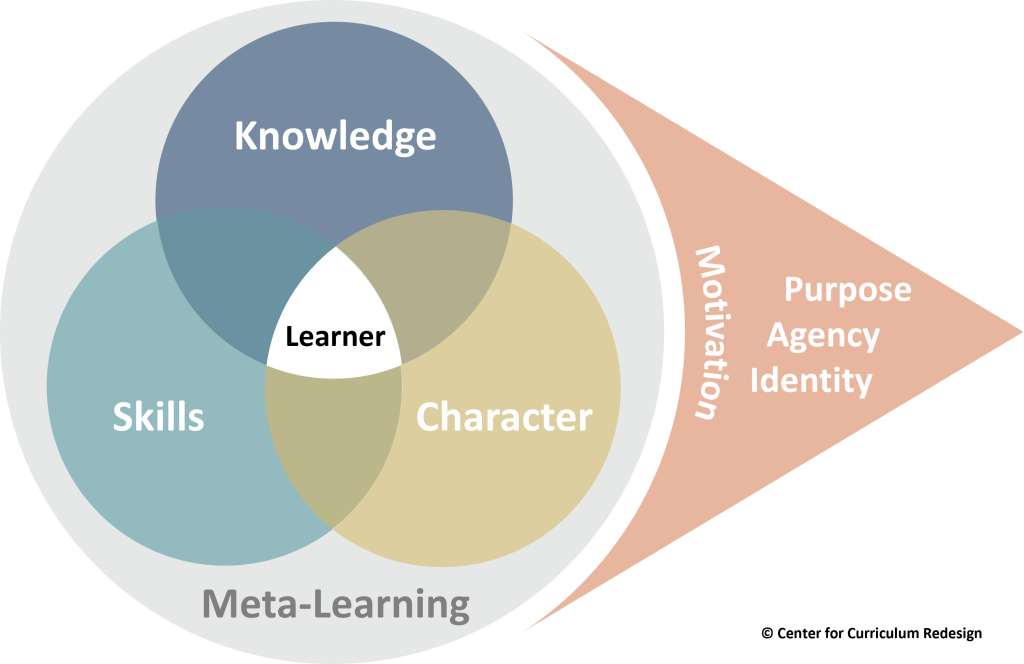
Career Connected Learning Develops Agency, Identity and Purpose

Quality career learning equips learners with lifelong global and technical skills to navigate an evolving world. Immersing young people in environments that support risk, curiosity, and self-discovery encourages skill-building and interpersonal growth. Career learning supports students’ understanding of themselves, their strengths, and the ability to chart their course.

In his new book Education for the Age of AI, Charles Fadel refers to agency, identity, and purpose as the key drivers of education. He notes how career-connected learning catalyzes the drivers (see podcast).  

Center for Curriculum Redesign Framework

Experiential learning also provides young people with guidance on personal development, and decision-making and further empowers them to forge paths with confidence and purpose as mentioned in Jean Eddy’s new book Crisis-Proofing Today’s Learners. Whether young people engage in client-focused opportunities, internships, or endure academically challenging coursework, career-connected learning is an environment to cultivate a sense of self-awareness, determination, and direction, essential for their success in both education and life.

TruMotivate is a story-based assessment that reveals the motivation that helps learners take ownership of their value, engagements, and actions and take control of their career path and future.

By empowering students to proactively shape their destinies, career-connected learning opens doors for every student to explore, learn, and thrive in the evolving world of work and beyond. Let’s embrace and expand this framework to ensure this opportunity for all.

For more see 

The post Career-Connected Learning: Preparing Students for a Dynamic Future appeared first on Getting Smart.

from Getting Smart https://www.gettingsmart.com/2024/02/19/career-connected-learning-preparing-students-for-a-dynamic-future/

CHILD: A Microschool Unlocking the Potential for Unique Learners

Non-Public Agencies (NPAs) are educational programs that school districts contract with to serve learners with unique needs that cannot be best met with in-district resources. Most of these NPAs operate as non-profit microschools, utilizing small, relational models to pivot rapidly and maintain a human-centered focus. Occasionally NPAs are met with challenges, but more often their flexibility results in great options for families by meeting learners’ unique needs.

One example of a responsive NPA is the Children’s Institute for Learning Differences (CHILD). CHILD is not just an educational institution; it’s a transformative solution designed to serve learners on the fringes, offering them a chance to thrive and reach their full potential. In the late 1990’s, CHILD’s founder discovered that the primary beliefs that fuel their work most closely matched those of the Collaborative and Proactive Solutions Model developed by Dr. Ross Greene, which is driven by the belief that “kids do well if they can.” This empathy-driven, non-punitive, psycho-educational approach helps solve the problems that are causing concerning behaviors.

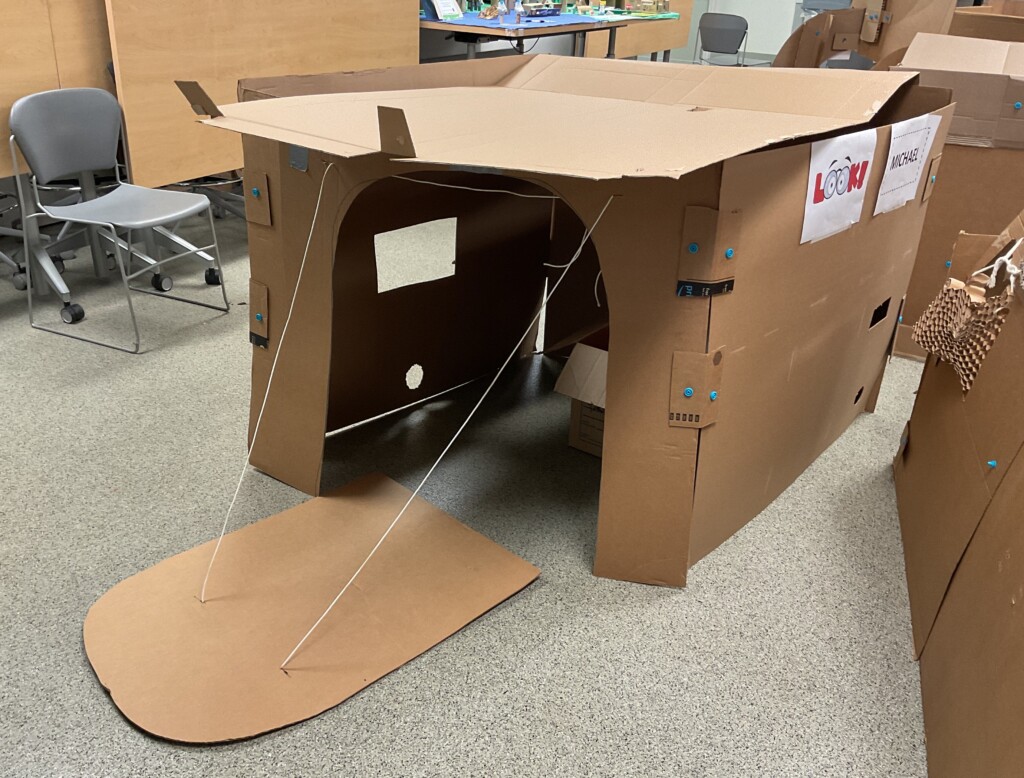
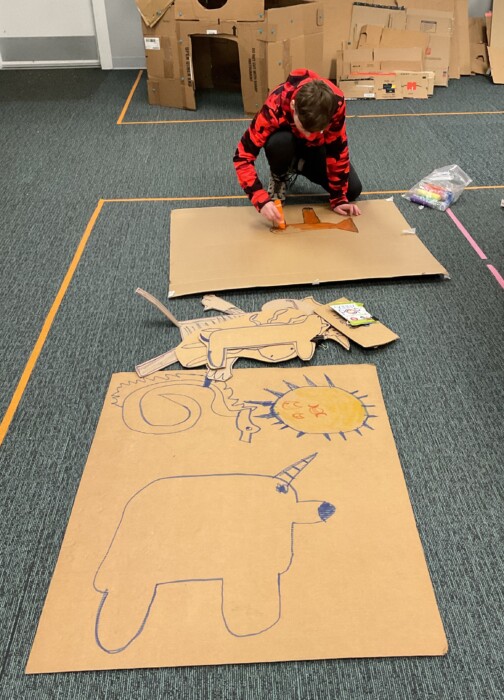
Walking through their campus, one sees children laughing with adults, creating cardboard villages, swinging on an indoor swing, or walking outdoors together. Engaged, happy children are the centerpiece of the school.

CHILD’s winning combination includes an empathetic philosophy, committed teamwork, and collaboration with parents and districts. The following components make CHILD a beacon of hope for learners with unique needs.

Embracing An Empathy-Driven, Non-Punitive Philosophy

A key part of this philosophy is CHILD’s deep rooting in empathy. The school refrains from punitive measures and employs a psycho-educational approach to solving the problems that are causing concerning behaviors. 

Using Dr. Ross Green’s Collaborative & Proactive Solutions Model, CHILD builds on the belief that “kids do well if they can.” This emphasizes that kids lack certain skills, not motivation, and require help in becoming more flexible, adaptable, and equipped with frustration tolerance and problem-solving abilities. Staff at CHILD learn to identify the triggers for counterproductive behavior to build new skills, identifying and addressing each child’s lagging skills.

CHILD acknowledges that every learner possesses unique gifts and abilities, a different kind of giftedness. Their approach is not solely focused on academic achievement but on nurturing the potential within each student.

Dedicated and Impactful Teacher and Staff Team

CHILD has a long-standing legacy. This year-round model for learners with IEPs was founded in 1977. In 2017, CHILD Founder, Trina Westerlund, and Executive Director, Carrie Fannin discussed the 40 years of the CHILD Way, the founding beliefs that continue to fuel CHILD. 

Additionally, CHILD’s teaching staff boasts an impressive 9 to 11-year average tenure, compared to the average of less than 5 years for special education teachers elsewhere. Teachers, staff, and specialists stay because they understand the “why” and see the significant impact they make in the lives of learners. Collaboration is a core piece of the team’s success. They work together through a rigorous student screening process (turning away up to 90% of applicants if they believe they cannot help). They are clear about who they can serve, which sets them up for success and apart from other NPAs that face challenges from accepting students without having the proper support available.

Collaboration with Parents and School Districts

Recognizing that parental involvement is crucial, CHILD incorporates an active parent training component into its program. As they rightly say, “If we don’t have parents on board, it doesn’t work.” Simultaneously, CHILD collaborates closely with school districts, understanding that successful reintegration is vital. Monthly check-ins with school districts help keep the lines of communication open, and CHILD is seen as an integral part of the team, contributing to the district’s understanding and service of unique learners.

CHILD has the goal of preparing and empowering learners to return to their home school districts within one to three years. This entails close collaboration with the district representatives to create a team approach and long-term planning for each learner.

Challenges in the Face of Federal Law

Federal laws, such as the Free Appropriate Public Education (FAPE) regulations, present challenges for NPAs like CHILD. Often, students must experience years of failure within their school districts before being referred to an NPA. By the time they arrive at CHILD, they may have lost hope in the education system.

While NPA services are expensive for school districts, some districts may not want the learner back because they lack relational, human-centered programs for K-12 students to return to. 

A Singular Model

Many microschools find it difficult to scale or replicate — CHILD included. CHILD’s success is not just about the program but the people behind it. Over 60 staff members serve 52 learners, making it a proactive financial investment that transforms lives, builds long-term productive citizens, and saves the community and justice systems millions of dollars. It is not a cookie-cutter model to be duplicated, but rather a shining example of the success that deliberate, multidisciplinary strengths-based learning can create…one we can all learn from. The structure of CHILD supports a culture of continuous improvement, demonstrating that the future of education lies in innovative, human-centered approaches that recognize the uniqueness of each learner. Our learners deserve to experience nimble models like the CHILD microschool without the years of failure in the rigid “system.” Our learners deserve to thrive! Without going through years of failure in “the system,” our learners deserve early access to models like the CHILD microschool…to break down barriers and thrive as learners and humans.

The post CHILD: A Microschool Unlocking the Potential for Unique Learners appeared first on Getting Smart.

from Getting Smart https://www.gettingsmart.com/2024/02/15/child-a-microschool-unlocking-the-potential-for-unique-learners/

A Community Micro-Credentials Effort Connects Students to Local Employers

By David McCool

When Polk County schools began focusing on career and technical education in the spring of 2023, one of their goals was to help students succeed in the workplace by offering the opportunity to develop soft skills and earn micro-credentials to communicate with potential employers. The district collaborated with Education Design Lab, Muzzy Lane, Polk Vision, the Central Florida Development Council, and Southern New Hampshire University to make this dream a reality. 

How The Credentialing Initiative Got Started

To make sure students were learning locally relevant skills, the partners convened 32 Polk County employers. Through this convening, the group sought to create awareness about the value of soft skills and micro-credentials and to ask the employers what skills mattered most for their entry-level jobs. One set of these employers/businesses was engaged through participation in the Polk County School District Career Academy Advisory Board composed of employers, business support agencies (chambers and economic development), the public sector, etc. Additionally, the initiative engaged the county-wide Polk Vision operating board composed of community leaders and agencies. Based on input from these groups, the project focused on three skills: Critical Thinking, Oral Communication, and Initiative.

Next, they needed to spread the word. Information was shared at the school level via the District Workforce Education Department. Teachers were provided with face-to-face training in the district and the Career Academy/Workforce Education staff assisted in the identification, administration, communication, and deployment of the digital micro-credentials. The county-wide agencies supported the storytelling locally and provided an audience for the work. Teachers provided communication to students and families. To increase participation, $50K in scholarships was also made available to learners who earned the micro-credentials and the Polk Education Partnership assisted in communication to guidance counselors and countywide sources to enhance knowledge of this exciting opportunity.

So far the program has served 12- to 15-hour courses in the selected skills to 450 11th and 12th-grade students. The program aimed to make students both college- and workforce-ready, and even offered a financial incentive: for every credential they completed, students earned a $1,000 scholarship they could use at the college or university of their choice. These credentials and the learning process were facilitated as a part of the career academy (technical skill development) curriculum supervised by a credentialed teacher. The content was delivered via a system called vsbl, offered by Education Design Lab, which embeds the Muzzy Lane assessments as part of the learning and evaluation process.

Lessons Learned

While attendance rates were a significant challenge during the first year of this program (COVID), they saw marked improvement during the second year of implementation. One of the major challenges associated with micro-credentials is earning employers’ confidence that students have mastered the skills for which they’ve earned credentials. To build that trust, the partners were transparent with their community partners about the competency-based framework that the courses were built on. 

At the end of the project, the state of Florida began requiring navigation of the technology tools and required documentation for moving forward. This last feature remains a hurdle to broader dissemination beyond the businesses that participated in this process.  

Despite the challenges, this initiative has already begun to pay off. The Board of County Commissioners of Polk County recently told the district that it would guarantee a job interview to any resident who has graduated from high school and completed any of the micro-credential courses. In its first few years, this collaboration has not only taught students valuable skills but has also provided employers with new recruitment opportunities and a linkage to a talent pipeline that they otherwise wouldn’t have had.

David McCool is president and CEO of Muzzy Lane, a company that recently released its SkillBuild Critical Thinking Microcredential Course. Dave was previously involved in the founding of 2 successful startups. He graduated from MIT with a BSEE in 1987. He can be reached at dave@muzzylane.com or LinkedIn

The post A Community Micro-Credentials Effort Connects Students to Local Employers appeared first on Getting Smart.

from Getting Smart https://www.gettingsmart.com/2024/02/13/a-community-micro-credentials-effort-connects-students-to-local-employers/

Design a site like this with WordPress.com
Get started