Banned Books, Critical Race Theory and Literacy at SXSW EDU

SXSW EDU is a conference focused on culture. This year, persevering, sharing and proliferating culture emerged through conversations on critical race theory, book bans and literacy. Throughout the conference’s four days, we encountered numerous organizations dedicated to powerful conversations and diving deeper into these themes. 

Critical Race Theory Takes Center Stage

While Critical Race Theory (CRT) has overtaken the media and become heavily politicized in recent years, this academic concept that examines race as a social construct is more than 40 years old. This year’s opening keynote “Unraveling Myths About Critical Race Theory in Education” explored the debate over CRT and unraveled myths and misconceptions that challenge the opposition and featured Dr. Kimberlé Crenshaw, Co-Founder & Executive Director of The African American Policy Forum and leading scholar of CRT, and Jonathan Cox, Vice President of the Center Policy Analysis & Research (CPAR) at the Congressional Black Caucus Foundation, Inc. (CBCF). 

The conversation started with a light-hearted, five-question quiz to determine if the audience members held beliefs aligned with critical race theory (CRT). This approach brought the controversial topic into focus in a humorous and thoughtful way. The speakers then delved into the basics of CRT, emphasizing it as a recognition of historical and current injustices. They discussed the importance of incorporating CRT into academic and political discussions as a vital move toward justice. This integration is seen as a crucial step in upholding the constitutional rights of Black individuals and other marginalized communities.

“Not talking about racism does not destroy racism. Not talking about racism is a tool of racism.”

Dr. Kimberlé Crenshaw

CRT provides a framework for examining how systemic racism has shaped institutions and perpetuated inequalities in society. While 23 states—impacting 22 million school children—have passed legislation that limits the way race and racism can be taught, teaching CRT in schools can help students develop a deeper understanding of historical and contemporary issues related to race, privilege, and power dynamics. This knowledge empowers educators and students to critically analyze and challenge systems of oppression, ultimately fostering a more just and equitable society for all. 

Anti-CRT legislation has been introduced in 46 states, but blocking CRT from being taught in schools not only limits students’ exposure to diverse perspectives but also impedes progress toward achieving racial justice and equality. It’s essential to prioritize inclusive education that equips students with the tools to navigate and dismantle systemic inequalities, ultimately fostering empathy, understanding, and social change. Tackling CRT and a few of the misconceptions surrounding it pulled attendees in and allowed them to see how their own actions, thoughts, and assumptions could and possibly should be stretched if we are truly in the business of being learners as so many of us profess. 

Unrestricted Knowledge

In addition to anti-CRT legislation sweeping the nation, literacy and book bans also continue to be a locus of debate. According to data from the American Library Association (ALA), a record 4,240 unique book titles were targeted for censorship in 2023, a 65% increase over the 2,571 unique titles targeted in 2022 and a staggering 128% increase over 2021 numbers. Since many book bans are happening in states where CRT is being rejected, it is no surprise that 47% of the books targeted for censorship were titles representing the voices and lived experiences of LGBTQIA+ and BIPOC individuals.

The African American Policy Forum (AAPF) hosted a powerful installation called “Books Unbanned”. The interactive exhibit was stationed outside of the main auditorium to share the history of banned books, boost critical cultural literacy and to empower attendees to defend the freedom to learn, read, and teach history. AAPF provides free copies of titles such as All American Boys by Jason Reynolds and Brandon Kiely, This is Your Time by Ruby Bridges by Ruby Bridges, and The Handmaid’s Tale by Margret Atwood to attendees. 

This exhibit exuded actionable ways to embed freedom to learn in community. The open shelves lined with both classic and contemporary titles were a powerful call to educators about the sense of urgency of protecting learners’ right to diverse and reflective reading options. 

Unite Against Book Bans held a session titled “How to be a Freedom Fighter,” with author Angie Thomas (whose novel The Hate U Give has found its way on banned book lists), a student advocate, a librarian, and community organizer where they examined how censorship harms communities and threatens democratic principles. Attendees learned proven ways to engage their communities, defend intellectual freedom, and support educators and librarians.

In addition to those featured at SXSW EDU, several other organizations have collaborated to help educators and community members fight book bans locally and nationally:

  • PEN America has accumulated important data, resources, and a place to report book bans in your community.  
  • The National Council of Teachers of English (NCTE) developed This Story Matters, a book rationale database where you can search for and contribute rationales for banned books.

Spencer Russell led another standout keynote illuminating the dire condition of the nationwide literacy crisis. Out of the gate, Russell delivered a sharp blow by sharing that over two million students in 4th grade are reading below grade level and how it will impact their formal learning experiences, career choices, and America as a whole. Crescendoing, Russell shared the number of adults who read below a 3rd-grade reading level (the number? 52 million!). Russell’s passion for literacy started after he learned some hard lessons as a teacher. It motivated him to empower caregivers and parents in their own literacy journeys and for young people. He created Toddlers Can Read, where he provides resources to support literacy development. 

The keynote offered five short ways to make a difference in the lives of anyone who wants to support developing a more literate world. In the event you don’t have time to watch the powerful address, here are the steps: 

  1. Know the research
  2. Stop theorizing, start teaching
  3. Keep it simple
  4. Partner with parents/caregivers
  5. Get started now

Protect Literacy and Learning

Fighting censorship in schools requires a collective effort to uphold the principles of academic freedom and intellectual diversity. When facing challenges such as book bans and anti-CRT legislation, there are several proactive steps that educators, parents, and advocates can take.

  • Education and Advocacy: Educate the community about the importance of diverse perspectives in education and the harmful impacts of censorship. Advocate for policies that promote intellectual freedom and inclusive curricula.
  • Engage in Dialogue: Foster open and constructive dialogue with stakeholders, including school boards, administrators, and policymakers. Highlight the value of exposing students to a variety of viewpoints and critical thinking skills.
  • Defend Access to Information: Oppose book bans and challenges to educational materials by defending access to diverse literature and resources. Support librarians and educators in their efforts to provide students with access to a wide range of ideas and perspectives.
  • Mobilize Support: Build coalitions and mobilize support from community members, educators, and organizations that value intellectual freedom and equity in education. Work together to oppose censorship efforts and promote inclusive learning environments.

By taking proactive steps to fight censorship in schools, we can uphold the principles of academic freedom, foster intellectual diversity, and ensure that all students have access to a well-rounded education that prepares them for active and engaged citizenship in a diverse society.

The post Banned Books, Critical Race Theory and Literacy at SXSW EDU appeared first on Getting Smart.

from Getting Smart https://www.gettingsmart.com/2024/03/28/banned-books-critical-race-theory-and-literacy-at-sxsw-edu/
How Can Educators Build Support Systems for Students Eyeing Technician Jobs?

By: Dr. Parimander Jassal

Job markets worldwide are buzzing with tech-driven transformations. With robotics and automation leading the charge, there’s a whole universe of new careers unfolding for those with a knack for tech. 

What’s interesting is that a lot of these jobs do not require an expensive four-year college degree. 

This article explores how high schools can be the launchpad for students eyeing technical careers. Community colleges, technical programs, apprenticeships, and innovative skills to jobs platforms all offer effective ways that schools can pave the way toward highly fulfilling and well-paid technician roles.

The Growing Demand for Technician Jobs

Currently, the US boasts over 700,000 employed technicians within the professional, technological, and healthcare sectors. The majority of these technicians are employed by Fortune 500 companies. A robotics technician working for one of these companies earns an average salary of over $67,000.

The surge in demand for technician jobs isn’t slowing down. Robotics technician roles in the US are experiencing a robust annual growth rate of 1.64%. Certain specialized positions, such as wind turbine service technicians, rank among the fastest-growing occupations nationwide. California, Texas, and Massachusetts lead the pack in employing technicians, with states like Wisconsin, Indiana, and Iowa seeing the highest growth in job vacancies and rates. 

Rethinking Post-High School Pathways

Given these figures, it’s high time to broaden our perspective on what constitutes a successful post-high school journey. 

While about 70% of recent grads head straight to four-year colleges, there’s an important conversation to be had about the remaining 30%— for whom the traditional college route may not be a preferred or feasible option. This group represents a significant portion of young adults searching for alternative pathways to success.

Vocational training, community college programs, and apprenticeships offer viable routes to securing well-compensated careers. In addition, platforms like Unmudl offer short courses that equip learners with skills directly aligned with specific job roles, offering an efficient path to employment for many students. 

Pullquote: “The journey to a fulfilling career doesn’t always start at a university. Our role as educators is to illuminate the diverse paths available—whether through apprenticeships, technical schools, or new skills to jobs platforms.”

Each pathway provides access to in-demand skills, such as robotics programming, automation system maintenance, and advanced manufacturing techniques. They challenge the notion that a four-year degree is the only avenue to a meaningful career. 

Accessibility and Equity in Technical Careers

Technician roles are accessible to students from every background and social class. This inclusivity goes a long way in breaking down traditional barriers to a career in a technical field. High schools can significantly level the playing field by actively promoting and supporting such career paths.

They can be especially helpful in making students aware of and prepared to take on the technical and vocational opportunities available to them. This effort involves providing active guidance and the necessary resources to pursue technical careers. Educators at the high school level can make sure every student, no matter their circumstances, has the opportunity to secure meaningful and well-paying technician jobs.

Practical Steps for High Schools

High schools can become catalysts for change by steering students toward exciting technician careers. Here are a few successful programs and strategies that exemplify how this can be achieved: 

  • Technical High School Partnerships: In Minnesota, the Minnesota State – Advanced Manufacturing Education Alliance collaborates with high schools to offer dual-enrollment courses. Students gain hands-on experience in manufacturing technologies, preparing them for immediate employment or further education in engineering and advanced manufacturing.
  • Apprenticeship Programs: The Youth Apprenticeship Program in Wisconsin connects high school students with apprenticeships in various trades, including automation and robotics. This program blends classroom learning with on-the-job training, providing students with a comprehensive understanding of technical skills and real-world applications.
  • Tech-Focused Charter Schools: Brooklyn STEAM Center in New York offers specialized programs in fields like computer-aided design and electromechanical engineering. Students work on industry-specific projects and connect with businesses and colleges, gaining valuable skills and insights into their future careers.

Key Skills Educators Should Emphasize for Aspiring Technicians

As educators, it’s imperative to guide students toward acquiring the skills most relevant in today’s technician roles. This ensures they’re prime candidates for success in their chosen fields. 

Here are a few essential skills:

  • Automation & Robotics: Proficiency in managing and maintaining cutting-edge automated systems.
  • Electrical Systems: A solid grasp of electrical circuits and a commitment to safety standards.
  • Mechanical Systems: Knowledge about mechanical components and how they come together to function.
  • Programming for Automation: Skills in specific programming languages, like Python or PLC ladder logic, are essential for modern automation.
  • Troubleshooting & Problem Solving: The knack for identifying and resolving issues within complex systems swiftly.
  • Preventive Maintenance: An understanding of regular maintenance tasks to prevent unexpected system failures.
  • Adaptability: A readiness to embrace and utilize new technologies and methods.
  • Critical Thinking: Logical reasoning skills to solve technical challenges innovatively.

High schools are the critical piece linking students who are not keen on a four-year college degree with emerging job prospects in technical fields. 

It’s time to forge partnerships, integrate tech-centric courses into the high school curriculum, and discuss diverse career avenues. 

Dr. Parimander Jassal is the CEO of Unmudl, a leading Skills-to-Jobs® marketplace for developing skills through hands-on training, propelling workers into job roles with the nation’s leading employers.

The post How Can Educators Build Support Systems for Students Eyeing Technician Jobs? appeared first on Getting Smart.

from Getting Smart https://www.gettingsmart.com/2024/03/26/how-can-educators-build-support-systems-for-students-eyeing-technician-jobs/

Virtual Accessible Training and Skills Development

In the evolving landscape of workforce development, numerous organizations are taking on the challenge of bridging the skills gap in the skilled trades sector. Industries face a growing shortage of qualified workers and being able to meet these demands and also provide accessible, flexible training for future professionals is critical for not only these companies and the economy but also the planet

We’ve seen exciting developments in unique community partnerships that impact school models, apprenticeship programs, career exploration starting in elementary school, client projects, but there is also a huge, scale-friendly opportunity in tech innovation. 

Why Technology Solutions?

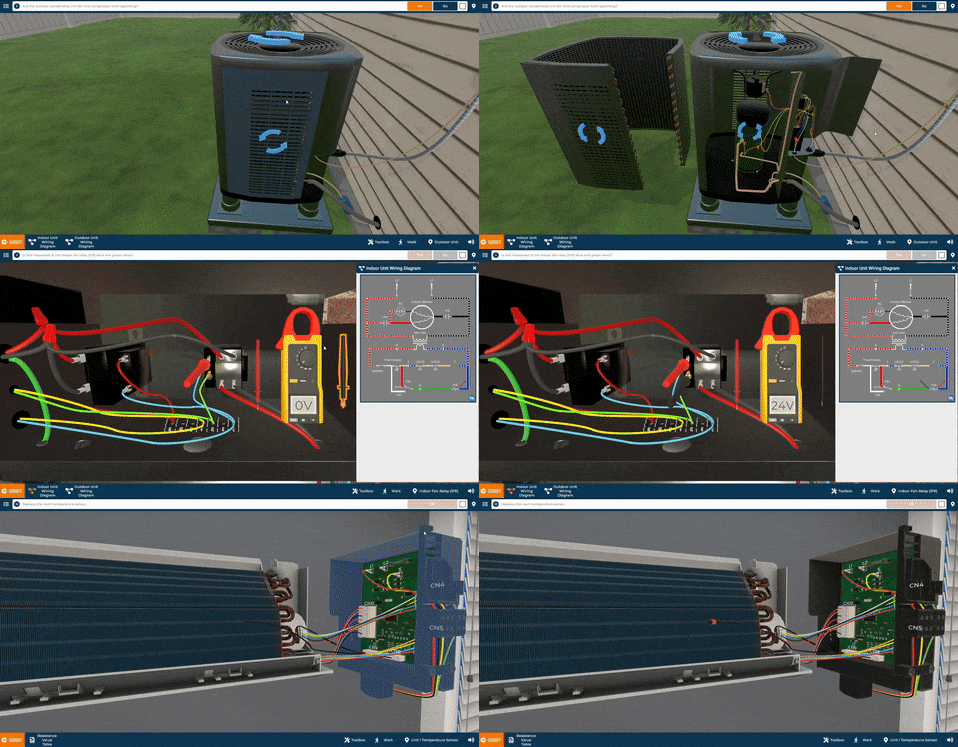
Traditional educational pathways (trades such as HVAC, electrical, plumbing, and construction) often require significant time and financial investment, which can be barriers for many potential learners. Many career academies provide students with the foundations of these trades, but frequently these academies have access challenges — namely, they can only serve so many of the districts’ students at one time and transportation can often be a hurdle. To accommodate this, many workforce development experts have been optimistic about the rise of virtual and augmented reality — online training programs that offer immersive, hands-on learning experiences. These radically accessible tools have the potential to provide learners with the practical skills and certifications needed to enter the workforce quickly and confidently.

While this technology has, perhaps, grown slower than many forecasted, new partnerships are forging a pathway for learners and members of the workforce looking to upskill from anywhere. These partnerships highlight the collaboration between educational institutions, industry partners, and community organizations is essential. 

One example of this is Interplay Academy, an initiative of Interplay Learning. This solution empowers other organizations to implement trades certificate programs, enabling learners to gain skills in their chosen field, earn industry certifications, and connect with employers to take on in-demand entry-level roles confidently. 

“We found that many community and workforce development organizations were searching for streamlined, scalable programs to help people enter in-demand trade careers. They had incredible, dedicated program managers serving their communities, but several did not have access to technical experts in their region or access to experts with enough extra time to serve the needs of both the community members and future employers,” said Ariana Dugan, VP of Product at Interplay Learning. “We created Interplay Academy to bridge that gap.”

Industry Skills

“Interplay Academy’s Job-Ready Certificate Programs represent a significant leap forward in skilled trades education where there is a shortage of qualified skilled labor,” said Doug Donovan, CEO and Founder of Interplay Learning. “Our holistic approach provides a direct pathway to job-readiness, empowering educators and workforce development program administrators with the tools needed to pave the way to future careers for learners. We believe these programs will play a pivotal role in developing a pipeline of talent for the skilled trades workforce of the future.”

Industry Certification

Interplay Academy has partnered with several community and workforce development organizations, including those that help unemployed or underemployed at-risk youth and adults, and is also available for use in secondary CTE programs. 

Interplay Academy’s Job-Ready Certificate Programs in HVAC, Electrical, Plumbing, Residential Construction, Multi-Family Maintenance, Building Maintenance, and Appliance Repair feature a flexible, expert-led curriculum, recognized by the Department of Labor, to effectively prepare today’s digital-first learners to enter the workforce. 

Our courses were submitted to the DOL as part of our Registered Apprenticeship Programs and were approved, which ensures they align properly with industry standards. Using that same content as part of our Interplay Academy gives learners confidence that as they pursue a career in the trades, they are receiving knowledge from a quality program. 

In addition to earning an Interplay Learning Job-Ready Certificate, learners enrolled in Interplay Academy’s programs can earn industry-recognized certifications, including NATE Ready-to-Work certification, OSHA 10 or 30 certifications, and EPA 608 certification, enhancing a graduate’s employability. 

Career Exposure and Exploration

Learners, who may need additional assistance choosing a career path, can take advantage of the programs’ career exploration tool to align their chosen path to their interests and career aspirations. When a learner completes the program, they can connect with employers through Interplay Learning’s partnership with BlueRecruit, a leading job platform for skilled trades professionals.

These partnerships ensure that training programs are aligned with current market needs and that graduates possess the skills employers are looking for. Moreover, connections with local businesses and job placement services can facilitate smoother transitions for graduates into the workforce, addressing employer needs more directly. To date, Interplay Academy has served more than 15,000 learners.

The post Virtual Accessible Training and Skills Development appeared first on Getting Smart.

from Getting Smart https://www.gettingsmart.com/2024/03/25/virtual-accessible-training-and-skills-development/

Denver Public Schools: A Hopeful Generation of Climate Champions

In Denver Public Schools, students have been leading the sustainability charge for the last few years, starting with meetings with the school board and, ultimately, leading to the development of the district’s own Climate Action Plan. From there, DPS launched one of the best district websites for monitoring growth and improvement in reaching their set of climate goals. 

“Climate Change and its effects are happening now. We can not take any longer to take action. I hope to inspire others, so we can all work together to take care of the only place we call home. Everyone deserves a healthy and sustainable future,” says Farah Djama, Class of 2024 and Secretary of the Climate Action Team.

The continued sustainability focus has led to numerous opportunities for the students. One such initiative, the Climate Champions Grant Program, is a testament to the power of collaboration, youth engagement, and grassroots activism in the fight against global warming. This collaboration aims to equip young learners in urgent environmental conservation and innovation efforts. 

The Climate Champions Grant Program

The Climate Champions Grant Program was catalyzed by discussions between the Denver Office of Climate Action, Sustainability & Resiliency (CASR), Denver Public Schools (DPS) Sustainability Team, and students. These conversations revolved around how to actively involve youth in environmental sustainability efforts, specifically through the Denver Climate Protection Fund. Recognizing that students had innovative ideas but lacked the necessary resources to bring these to fruition, DPS and Denver CASR leveraged their unique partnership. 

To begin this process, students were provided with an application packet that outlined the project requirements, aligning with DPS’ Climate Action Plan and the allowable uses of funding from the Climate Protection Fund. This ensured that the projects not only addressed local environmental issues but also contributed to broader climate action goals. The application process encouraged a grassroots approach, where students, supported by teachers, classmates, and mentors, took the lead in developing their project ideas. Some schools conducted surveys to gauge interest in various project proposals, while others presented their ideas directly to school principals. Furthermore, DPS facilitated the process by offering pre-application assistance through virtual workshops and one-on-one support, ensuring that students had the guidance needed to refine their proposals.

Student involvement was a critical component of the Climate Champions Grant Program. They were not just participants but were at the forefront of conceptualizing, designing, and pitching project ideas. An interdisciplinary group of experts from both DPS and Denver CASR evaluated the applications based on specific criteria, reflecting the program’s commitment to environmental justice and the promotion of sustainable solutions across different school types and project categories. Despite being in its pilot year, the program received more project submissions than it could fund, indicating strong interest and the potential for future growth. The awarded grants are as follows: 

This collaboration is a great example of what it looks like to give students agency, purpose and connections to real world learning experiences. These cross sector collaborations are representative of real world learning in action.

The post Denver Public Schools: A Hopeful Generation of Climate Champions appeared first on Getting Smart.

from Getting Smart https://www.gettingsmart.com/2024/03/21/denver-public-schools-a-hopeful-generation-of-climate-champions/

Design Integrated Learning Pathways to Realize Your Portrait of a Graduate

By Josh Weisgrau and Kelly Mills

Over the last decade, since school districts around the country began to adopt the Portrait of a Graduate model to define a vision for their learners’ outcomes, we have heard a similar story from many district leaders about these efforts. Typically they speak of the enthusiasm that this vision brings to the community, particularly when their Portraits have been designed with input from all community members including teachers, students, and families. Portraits of a Graduate focus on the mindsets and skill sets that enable lifelong learning, success in all careers, and personal fulfillment—the attributes that have received great attention in the movements for 21st Century Learning and increasing uncertainties about the technical skills and knowledge that will be most useful in a rapidly changing future.

However, while school leaders find inspiration in the collective buy-in (which has become increasingly rare to develop in other areas of school), they also tend to express concern over the difficulty in ensuring that students are achieving these outcomes. While the skill sets and mindsets represented in Portraits of a Graduate have received growing attention, there are still many fewer available systems-wide resources and support for achievement and assessment than there are for academic goals. Meanwhile, the programs and supports that do exist tend to address only particular skills rather than the whole Portrait. As school leaders add more and more of these programs in an attempt to fulfill the complete vision of their Portrait of a Graduate, they also often engender “initiative fatigue” and burnout from the educators and support staff charged with implementation.

Portraits of a Graduate focus on the mindsets and skill sets that enable lifelong learning, success in all careers, and personal fulfillment—the attributes that have received great attention in the movements for 21st Century Learning and increasing uncertainties about the technical skills and knowledge that will be most useful in a rapidly changing future.

Josh Weisgrau and Kelly Mills

How can school districts deliberately and systematically create the structures that enable all learners to become their envisioned Portrait in public schools that are already overtaxed and strained? That is the question our team sought to answer as we began an effort to examine the promise and pitfalls of the Portrait of a Graduate. In our recently released report, Shifting Education with Learning Pathways: Becoming Your Portrait of a Graduate, we share what we have learned about both the Portrait of a Graduate model itself and offer a systematic approach to integration that we see as a key to success in learners achieving the vision of the Portrait.

The Skills that Portraits of a Graduate Say are Necessary for Learners to Thrive

We began by analyzing the content of a sample of Portraits from school districts across the country. While Portraits are designed uniquely by each school district with input from their communities, we found an overwhelming alignment across them in terms of what skill sets are emphasized. In our analysis, 90% of named attributes across all 69 Portraits we studied are aligned to the following six skill sets:

  • Analyze to Understand 
  • Care For and Contribute to Society 
  • Collaborate Across Difference 
  • Communicate in All Media and Modalities 
  • Create to Solve and Share 
  • Practice Self Awareness and Regulation 
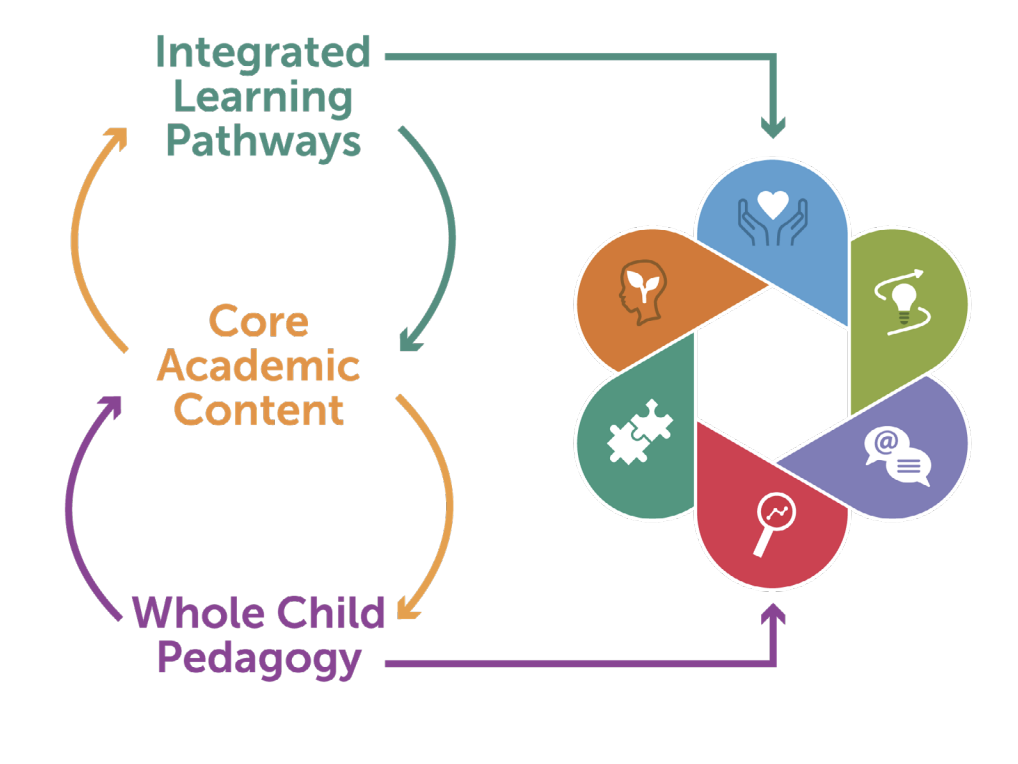
Integrated Learning Pathways and Whole Child Pedagogy support students to develop and
apply Portrait Skill Sets and Practices.
Integrated Learning Pathways and Whole Child Pedagogy support students to develop and apply Portrait Skill Sets and Practices.

While the specific terms used to specify these attributes vary, there is significant unity in the nature of the outcomes being expressed. School leaders and PoG design teams can leverage these resources to support schools and districts in customizing the specific contexts of their own community-developed Portraits.

While districts across the nation agree that these six skill sets are essential for learners, they face challenges in operationalizing them systematically. Each skill set is broadly defined, universally applicable, and deeply interconnected, making it difficult to concretely align them to curricular and pedagogical decision making. They also do not directly correlate to the current assessment and credentialing paradigm, which relies heavily on standardized tests and course grades. 

Integrated Learning Pathways Make the Vision of a Portrait More Achievable

In our direct work with districts, we have seen that a first step in making these attributes concrete is to identify observable practices within these skill sets at each developmental stage or grade level. Schools can use these identified practices to design and define “horizontal” learning pathways that intersect each academic “vertical,” creating a cross-cutting curriculum that allows teachers to see the specifics of how they can implement Portrait practices in their contexts. This reduces the burden on teachers to identify, on their own, every necessary opportunity to integrate Portrait skills, and enables them to concentrate their expertise on ensuring those integrations meet the needs of each of their individual students. 

Partnering with districts from across the nation, we have co-designed Integrated Learning Pathways to identify and implement opportunities for students to develop Portrait of a Graduate skill sets cumulatively through each grade and complementary across subjects. This approach allows the burden of implementing a Portrait vision to be more shared between teachers and leaders and reduce the impact of “initiative fatigue.”

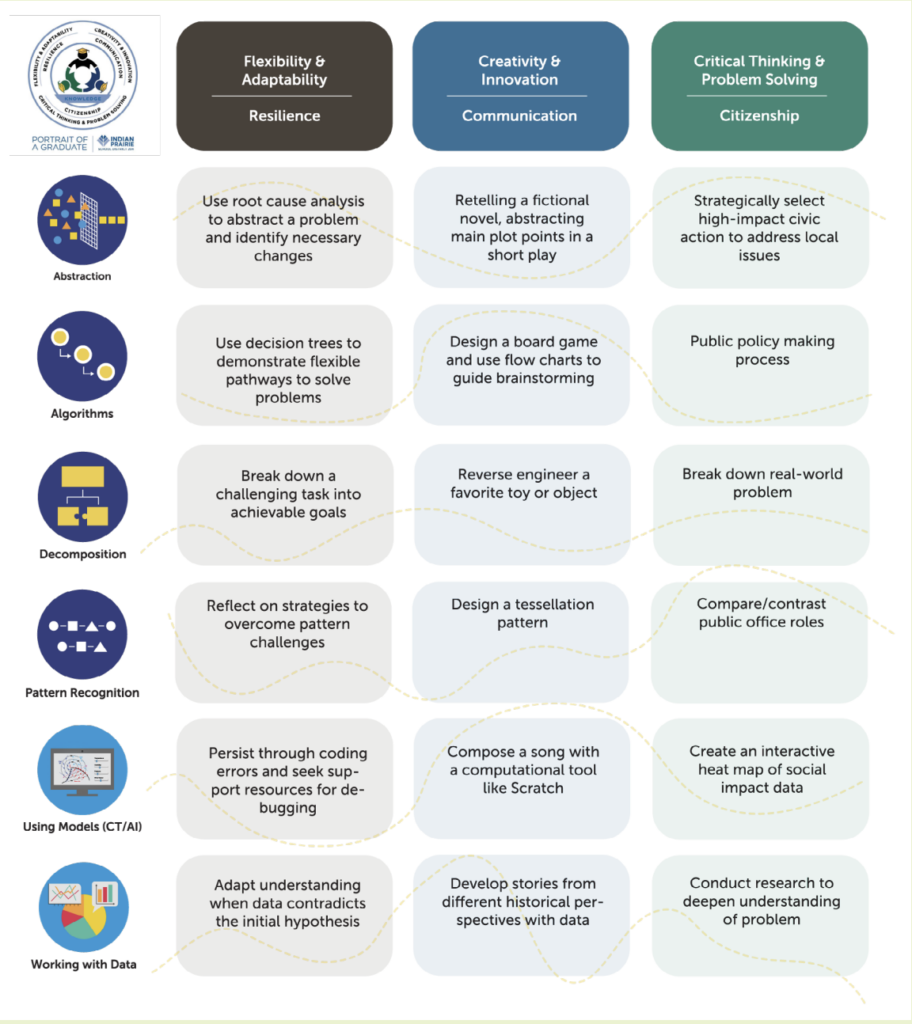
This horizontal approach to creating a Portrait of a Graduate learning pathway also allows districts to more seamlessly integrate new priorities by aligning them with the Portrait pathway, further reducing the burnout caused by continued introduction of new initiatives and programs. In our paper, we share how Indian Prairie School District in Illinois has leveraged this approach to align their focus on Computational Thinking to their Portrait implementation. Portrait attributes are broader than computational thinking alone; however, in this case, computational thinking was a productive framework to operationalize universal and crosscutting Portrait attributes into classroom teaching and learning. Indian Prairie’s Director of Innovation, Brian Giovanini shared, “As we thought about computational thinking, and really, the skills and competencies that feed underneath that term, it really helped us visualize parts of the Portrait and build a learning pathway for our students to get to that outcome.” 

Crosswalking Portrait Skill Sets with computational thinking practices

We recommend district leaders leverage Integrated Learning Pathways to align teaching and learning to their Portrait of a Graduate and ultimately better prepare students for a successful future. 

Josh Weisgrau is Chief Learning Officer, Learning Experience Design at Digital Promise

Kelly Mills is Director of Learning Pathway Design at Digital Promise.

The post Design Integrated Learning Pathways to Realize Your Portrait of a Graduate appeared first on Getting Smart.

from Getting Smart https://www.gettingsmart.com/2024/03/19/design-integrated-learning-pathways-to-realize-your-portrait-of-a-graduate/

Career Development Stage Left: RIASEC as Career Exploration

By: Ed Hidalgo

I was invited to share the opening keynote for Three Rivers Educational Technology Conference (TRETC) 2024, a conference working to revolutionize learning and work by bringing together educators and technologists from around the Pittsburgh region. 

As part of the career development in schools conference track, my keynote was to model a career conversation with four students from the South Fayette Township High School using the RIASEC

Developed by John Holland, RIASEC themes help to identify potential worker- career fit. He also suggested that the theory can be used to explain vocational behavior and to suggest some practical ideas to help young, middle-aged, and older people select jobs, change jobs, and attain vocational satisfaction.

While in most cases RIASEC is used as an assessment, I like to think of it more like a language. These conversations are held such that students can explore themes and identify two or three top preferences rather than being held accountable to RIASEC tests. 

The themes that we use to  provide a common career language include:

  • R: Realistic – “Doers”
  • I: Investigative – “Thinkers”
  • A: Artistic – “Creators”
  • S: Social – “Helpers”
  • E: Enterprising – “Persuaders”
  • C: Conventional  – “Organizers”

Describing both the “worker” and the “work environment,” the RIASEC can describe personal interests and preferences for individuals and the style of work that is needed for jobs and tasks. Thus, the RIASEC can help at all levels of career management and themes provide a vocabulary for how a person sees themselves now, where they might be growing their skills, exploring available options, and where they are headed. 

Amplifying Student Voices

As much as I was processing my own role in this experience, I was more focused on caring for the four students who would be sharing personal aspects of their learning journey in front of strangers. When I greeted the students prior to going up on stage, we agreed to a few norms to ensure their comfort with the process and we established a working alliance that would lead to a successful experience. It was clear that the students were curious and passionate about this conversation.

Ed Hidalgo speaks with students on stage.

As the audience watched, students were able to differentiate their RIASEC-themed interests and make quick connections between their preferred interest areas and careers. During the onstage conversation, one of the students stated, “I’m definitely going to talk to my parents about this.” Another student commented, “Having this conversation made my understanding so much more clear.” 

I’ve done 25+ of these events since 2023 and as always I was struck by how the students:

  • Were able to differentiate their interests using our approach and make quick connections between their themes and career interests they wanted to pursue.
  • agreed that even though they were given definitions of each RIASEC theme prior to our conversation and had guessed each other’s themes, it wasn’t until our conversation that they fully understood each theme and were able to claim the themes that matched them best.  
  • Indicated they would speak to a parent or friend about what they’d learned.
  • Agreed the tests they take in school to assess their career interests are not effective.
  • Began to use RIASEC.

RIASEC Reflections

Carrie Akins, Career and Technical Education Principal with Calvert County Public Schools, reflected on a session with career advisors at Northern High and Plum Point Middle and shared: “Using the RIASEC gives students, educators, parents, and even our community’s employers a powerful common language so that we can all engage our students in meaningful discussions and planning about careers.” What was learned will help Akins build their program so students can effectively navigate their individual career journeys to find future employment that is a perfect fit for their skills and interests. Akins strives to pivot from “old status quo of transactional, ‘matchmaking’ activities” to “transformational, empowering experiences that support students right now, tomorrow, and forever down their paths.” 

“We must recognize students need to be taught how to drive, not chauffeured through their journeys.”

Carrie Akins

Throughout the past 25 sessions, it’s become abundantly clear that students want to have conversations about their current and future possible selves. The language of RIASEC helps to facilitate this conversation and the dialogic approach opens a deep and wide world to explore. It’s such an honor to hear stories from students and how they plan to share their learnings with family and friends. What comes after learning RIASEC is the thing I worry about most. Who will come alongside these students to help them take their new understanding forward? 

Ed Hidalgo is a Career Development Advisor and formerly was Chief Innovation and Engagement Officer for the Cajon Valley Union School District.

The post Career Development Stage Left: RIASEC as Career Exploration appeared first on Getting Smart.

from Getting Smart https://www.gettingsmart.com/2024/03/18/career-development-stage-left-riasec-as-career-exploration/

Family Promise: Ensuring Every Student Has A Home

Many homeless children go to school. HUD released on December 15 the 2023 Annual Homeless Assessment Report (AHAR), Part 1, which provides estimates of homelessness in the U.S. According to the 2023 report, approximately 653,100 people were homeless on a single night in 2023, representing a 12% increase (or roughly 70,650 more people) from 2022. During the 2020–2021 school year, more than a million students were identified by schools as homeless. Families with children made up nearly 30% of the total homeless population in 2022, with about 51,000 family households experiencing homelessness in one single night. More than 30,000 unaccompanied youth under the age of 25 experienced homelessness in a single night that year, 9% of whom were children.

According to the National Center for Homeless Education, Hawaiian/Pacific Islander, American Indian/Alaska Native, Black, and Hispanic students are overrepresented in homelessness compared with Asian and white students. Additional research has found that populations have a higher risk of homelessness compared with non-LGBT youth. Youth who have faced housing insecurity, severe family conflict, or abuse.

Homelessness and housing instability can contribute to poor health, especially for children and adolescents. Housing and school partnerships offer a promising approach to ending student homelessness. 

How Transitional Housing Builds Stable Futures

Transitional housing plays an essential role in providing safety and stability. Equipped with the following benefits, youths experiencing homelessness can break free from this cycle and discover their path.

1. Safe and Stable Housing

Transitional housing provides a vital safety net for homeless youth by ensuring stable and safe accommodations. This type of housing typically offers an independent living space within a supportive environment. This stability is foundational for addressing other areas of their lives, such as education, employment, and overall well-being. 

2. Supportive Services

Transitional housing programs are not just about providing a bed for the night. They offer comprehensive supportive services tailored to each youth’s unique needs. Social workers, counselors and mentors traditionally work closely with youth to set goals, create individualized plans, and connect them with the necessary resources for personal growth.

3. Skill Development

Transitional housing also goes beyond addressing immediate needs like food and shelter. These programs promote self-sufficiency and self-reliance via essential skills such as budgeting, cooking, communication and problem-solving. 

Life skills are vital for a safe and long-term transition to independence. The unique and supportive nature of transitional housing programs provides a structured environment where youth can practice and refine these skills under the guidance of caring professionals.

4. Education and Career Support

Education is often disrupted by youth experiencing homelessness. In America, about 87% of these young people will drop out of school before earning their high school degree – a critical asset for many employers. Transitional housing recognizes the importance of education in breaking the cycle of homelessness. 

These programs provide educational support, including tutoring, access to GED programs and help with college applications and scholarships. Additionally, these programs assist youth in exploring career options, building resumes, and preparing for job interviews, providing a path toward economic stability and self-sufficiency.

5. Emotional and Social Well-Being

The experience of homelessness can take a toll on a youth’s emotional and social well-being. Many youths in transitional housing have experienced trauma, abuse, or neglect. These programs offer a safe space for healing and personal growth. Through therapy, support groups and mentorship, youth can address their emotional needs, build resilience, and develop healthy coping mechanisms while connecting with peers who share similar experiences, fostering a sense of belonging and support.

I had the opportunity to meet and work with Jeff Armstrong, the Executive Director of Family Promise, an organization dedicated to helping homeless students get an education and sustainable housing for their families

What is the mission of Family Promise?

Our mission is to help families experiencing homelessness in their quest to achieve sustainable independence. I led the organization in the Midlands of South Carolina but the national Family Promise organization has 200 affiliates across the country.

How do the services Family Promise provide support youth in school? 

Our Tomorrow’s Promise program supports students who are part of families having housing stability issues with enrichment activities including athletics, music, and art.

Additionally, we hold community engagement events that include financial literacy, professional developments, and entertaining activities for the entire family.

I  had a vision in April 2020 to be able to provide experiences beyond what McKinney-Vento can do for a child in the school system experiencing housing instability. I called this program Tomorrow’s Promise. Whether it is purchasing a dress for prom or covering the costs of gymnastics classes, these positive childhood experiences provide memories that promote resiliency. 

What are the biggest misconceptions about families in transition housing? 

Homelessness comes with its own stigma. What the pandemic has helped us all realize is how close we could be to housing instability. Our transitional housing program goes far beyond providing a place to stay. There are other supportive services provided that allow for a family to build a savings (many of them for the first time). The families we serve also work to meet goals.

Our families are working hard towards goals that are set by them and our Case Manager. Some may come to us and not have experience living on their own. However, we also serve teachers, nurses, and people from other fields that most would not expect. 

What are the greatest needs of the students who you serve?

One word … stability. I always say that providing a safe space for children and parents to move from flight, fight or freeze to stability is the greatest gift. 

What can our education system do to help the youth you serve?

We lean on our educational system to be everything for our children. It is time for service providers to step up to provide positive experiences to help the child thrive. 

Why did you get involved with Family Promise and what future programs and services do you hope to develop to help the youth you serve be more successful in school?

The opportunity to lead an organization with the experiences I had in my childhood and adolescence proves that the children we serve can do anything. Having experienced homelessness and housing instability, among other challenges, as I was growing up helped me understand what the children in our program need. I will never forget my high school basketball coach and 4th grade teacher who were both instrumental in providing the lessons and care that I needed to build resiliency on my own.

Tomorrow’s Promise Program developed from my childhood. I am looking for us to continue to bolster the types of experiences and events we have with our families. We partner with the faith community, businesses, and other service providers to accomplish this. 

Our youth today struggle to balance an immense amount of pressure from many angles. By alleviating the housing instability piece, we are promoting a foundation for the greatest success in the future. 

Jeff and the team at Family Promise in partnership with Craig Melvin from the Today Show and his family worked with one family to provide a fully furnished home which is an incredible example of the organization’s focus of ensuring every student has a home!

The post Family Promise: Ensuring Every Student Has A Home appeared first on Getting Smart.

from Getting Smart https://www.gettingsmart.com/2024/03/14/family-promise-ensuring-every-student-has-a-home/

AI Literacy: A New Graduation Requirement and Civic Imperative

AI Literacy Day is April 19. It’s rapidly approaching but you still have two months before the end of the semester and endless opportunities to engage your students (and faculty) in an opportunity to learn from, with and about AI. To paraphrase a common expression, “The best time to plant a tree is 20 years ago, but the second best time is today.” 

What would it look like to make a commitment that come graduation every senior will have at least basic AI literacy? This includes an appreciation of AI as a creation engine and learning partner but also an understanding of the risks of deepfakes and biased curation. We’re entering a time where to quote Ethan Mollick “You can’t trust anything you read or see ever again.” Whether formal or informal, it’s time to start building AI literacy.

In a recent article for EdSurge, teacher Mike Kentz provides tips for how he engaged his students in learning about and how to use AI,  

“When I introduced the HoldenAI project to my students, I explained that we were entering uncharted territory together and that they should consider themselves explorers. Then I shared how I would monitor each aspect of the project, including the conversation itself.

I guided them through generating meaningful, open-ended interview questions that would (hopefully) create a relevant conversation with HoldenAI. I fused character analysis with the building blocks of journalistic thinking, asking students to locate the most interesting aspects of his story while also putting themselves in Holden’s shoes to figure out what types of questions might “get him talking.”

Next, we focused on active listening, which I incorporated to test a theory that AI tools might help people develop empathy. I advised them to acknowledge what Holden said in each comment rather than quickly jumping to another question, as any good conversationalist would do. Then I evaluated their chat transcript for evidence that they listened and met Holden where he was.

Lastly, we used text from the book and their chats to evaluate the effectiveness of the bot in mimicking Holden. Students wrote essays arguing whether the bot furthered their understanding of his character or if the bot strayed so far from the book that it was no longer useful.”

This kind of curriculum can be brought into any subject and not only teach the students about AI but also about themselves, the importance of asking the right question and much more. 

Emerging Programs and Resources

Several organizations have released useful AI Literacy courses applicable for high school students including: 

Sector leaders have published useful guides for school adoption:  

The Middle States Association recently announced Responsible AI in Learning (RAILS), a framework for safely and effectively deploying AI in schools. RAILS is a series of self-study modules that result in a series of endorsements that will allow schools to signal their progress. 

We’re excited to be supporting the forthcoming ASU+GSV AIR Show, an exciting opportunity to gather with those on the cutting edge of AI and education, including many of those mentioned above.  

We Have a Civic Duty

We’re at an inflection point — a moment where information and trust are some of the most fragile (and essential) elements of society. Without developing the necessary critical thinking and literacy skills, AI will undoubtedly play a wedge role in the continued fracturing of truth.  

A great new book, Verified: Discerning Truth in the Disinformation Age, authored by Mike Caulfield and Sam Wineburg suggests implementing the SIFTing technique as a fundamental building block of AI literacy:

  • Stop: What do you know about the argument and its source?
  • Investigate: Is the source trustworthy?
  • Find: What do other credible sources say?
  • Trace: What’s the original context of the claim?

It’s time to build, select or pilot an AI literacy strategy and sprint to the end of the year. One option might be to invite a couple of upper-division students to make campus-wide AI Literacy a capstone project. Let’s make sure that every student and faculty member heads into summer AI literate.

The post AI Literacy: A New Graduation Requirement and Civic Imperative appeared first on Getting Smart.

from Getting Smart https://www.gettingsmart.com/2024/03/12/ai-literacy-a-new-graduation-requirement-and-civic-imperative/

Growing Together Education Connects Learners and Communities to Green Food and Green Skills

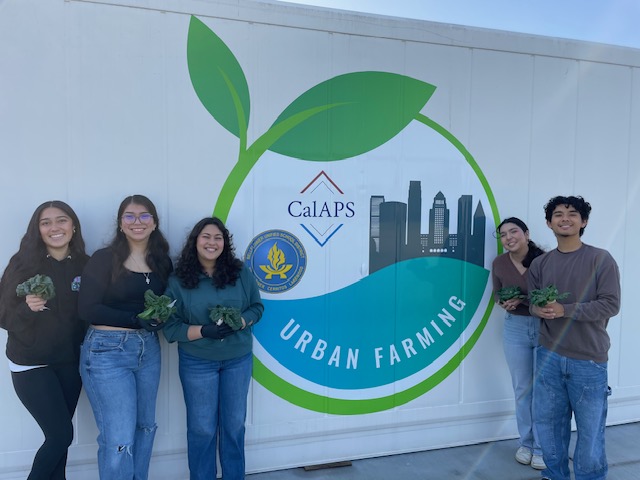
In a South Central California food desert, locating fresh and nutritious food can be a challenge. Growing Together Education (GTE) works with school communities across the country to develop academically rigorous and interactive environmental education programs. They work closely with district representatives, teachers, and staff to design and build out spaces, develop curriculum, provide training for teachers and engage directly with K-12 students. 

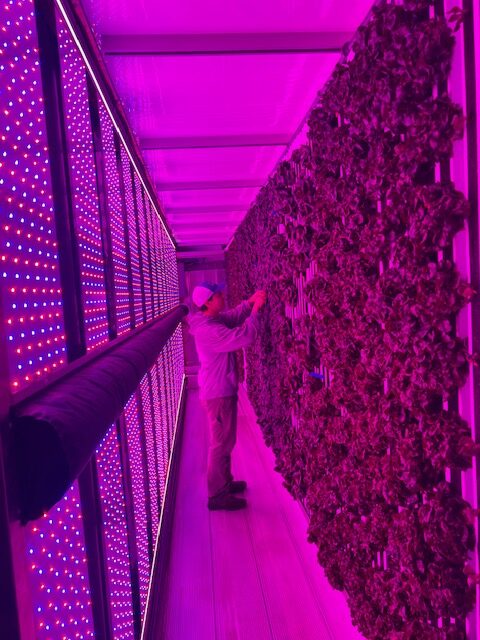
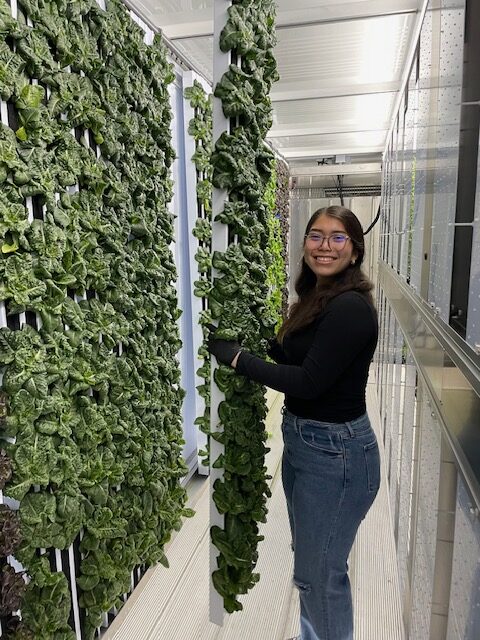
Recently GTE has been collaborating with Bellflower USD (BUSD) to not only learn about growing food sustainably, but also to provide this food to numerous schools across the district. Much of this learning takes place on a rooftop farm and greenhouse. “We are a month into harvesting 500 heads of lettuce a week for their Food Services Dept and salad bars across the district,” said Paul Hudak. “This work is all being done in a converted storage container unit through hydroponics at Bellflower High School and on the rooftop farm and greenhouse at Mayfair High School (both in the Bellflower Unified School District).”

Bellflower USD is forward-thinking in that they are approaching urban farming and environmental science with both an educational and public health focus. It takes a dedicated group of district and school leaders to make moves to implement and maintain these types of programs. 

Hudak continued, “It’s been great to be sharing this work with K-12 students and see their continued level of engagement and ownership.” 

A Day in the Life

Students spend time in the gardens during the school day where they learn about seeding, planting and harvesting greens for the BUSD Food Services team. GTE also collaborates with and supports teachers in designing classes and programming to utilize the garden spaces with their students, making interdisciplinary opportunities. The team is currently designing after-school cooking classes incorporating their farm-grown produce. This course will work in conjunction with the district’s mental health programming to highlight the connection between mental health, lifestyle choices and diet. 

“It’s interesting seeing the process of growing all this lettuce knowing that it’s going to be offered at our cafeteria for us to eat,” says Nathaley, a student at BUSD. “It’s exciting knowing that we, as students, helped grow this lettuce. We’ve witnessed the whole process from planting the seedling to transferring it to the vertical growing panels. The most interesting thing is how in this tiny shipping container, so much lettuce could be grown. I enjoy working with plants because I like knowing that we nurtured these plants and now we can see people eat them.”

Throughout this process, students also get to learn about the high-tech operation of the Freight Farm and how it utilizes LED lights, and has access to remote operation via apps (phone) for watering, nutrient delivery and climate control.

“I find the sustainable farming methods used on the Freight Farm to be really interesting. The ability to grow fresh produce in a controlled environment, regardless of external conditions is shocking to me,” says Rana, a student in the program. “I’m excited to see how technology could revolutionize the way we think about farming and food production! It could truly change the game for communities that struggle with access to fresh, healthy food. I find working with plants to be therapeutic and rewarding. I feel accomplished watching something I planted grow.” 

At Mayfair High School, students are engaged in various projects on the rooftop farm and greenhouse through their Environmental Science class. One such lesson was a part of a Cycle of Matter course that tested the impact of nitrogen-fixing legume plants and their potential effect on the growth of lettuce plants. An upcoming lesson will serve to establish a native pollinator garden on the rooftop while providing data points. These points will show the impact on how the spatial proximity of pollinator plants impacts the yield in edamame. After comparing various soybeans planted around the garden the class will enjoy the edamame at the culmination of the lesson.

At Mayfair High School, students have the opportunity to attend the STEAM building that prominently features solar panels which will not only power aspects of the building and farm operation but will also teach the students about producing electricity and the fluctuation in production as the seasons change. 

What’s Next for Growing Together Education?

GTE hopes to one day generate revenue with the farm by selling ingredients to local restaurants and other partnerships. “We are in our second month of huge harvesting now and the school district has been able to use all the produce in lunches to serve just under 10,000 students. There are active plans in place to provide produce to families, local food banks and the culinary arts program at Cerritos College (a local college attended by many students from Bellflower and the surrounding school districts),” says Hudak. “I truly believe that BUSD is on the cutting edge of creating a district-wide Urban Farm Education program that not only serves the educational needs of students but works to incorporate these practices into a larger conversation around public health and community development in urban areas.” GTE will continue to support schools across the country in designing and implementing programs similar to the work with Bellflower.

The post Growing Together Education Connects Learners and Communities to Green Food and Green Skills appeared first on Getting Smart.

from Getting Smart https://www.gettingsmart.com/2024/03/11/growing-together-education-connects-learners-and-communities-to-green-food-and-green-skills/

The Rise of Millennial-Powered Microschools

By Coi Morefield

This isn’t just a rebellion against the status quo; it’s a reimagining of the purpose and possibilities of education.

Sweeping waves of change are nothing new in the education landscape. Trends, methodologies, and practices come and go—sometimes leaving before they’ve even penetrated the red tape of the public school system. However, over the past decade, there has been a growing movement outside of the conventional education system that is holding strong in its mission. Enter the microschool—trailblazing learning environments, often learner-centered, that promise to redefine the very essence of how we imagine education.

Recent years have seen an unprecedented increase in the interest and creation of highly personalized learning environments, predominantly driven by millennial parents. This generation, born between 1981 and 1996, stands at the forefront of innovation, boldly challenging the established norms of, well—everything. Examining privilege and ensuring equity has become a core value that many of us strive toward. 

In this cultural shift, microschools emerge as a vanguard of change, embodying the spirit of a generation that refuses to accept the status quo. Such boldness begs the question, what compels them to challenge the conventional narrative, especially when it comes to the education of their children? What lies beneath the surface of this movement, and how does it reflect the aspirations and challenges of a generation that refuses to conform? And how can we collectively ensure justice, equity, diversity, and inclusion within these environments? The answer lies in a dynamic intersection of sobering experiences, communal values, and a fervent desire to redefine success.

The Millennial Cultural Revolution

Millennials, those vibrant (and sometimes squirrely) individuals aged 27 to 42, are spearheading a significant shift in values and aspirations, diverging from traditional norms and long-held beliefs about everything from marriage and family planning to careers and social justice. Millennials are steering away from the “American Dream,” a neatly packaged narrative used to demarcate predetermined goalposts in one’s life and career that would ensure upward mobility, affluence, and security. Instead, millennials find themselves at the forefront of redefining what success looks like, and welcoming the freedom in discovering that it is theirs to decide.

This journey is deeply intertwined with a series of historic events and economic challenges that have, in many respects, defined a generation. From facing the aftermath of terrorist attacks, to the Great Recession of 2007–2009, and witnessing the wars in Iraq and Afghanistan—the collective experiences of this generation have left an indelible mark. Millennials emerged from postsecondary institutions as the most educated generation, but also as the first modern generation to be economically worse off than their parents; a defining moment that further shaped their outlook on life and the shattered illusion of a guaranteed formula for success.

In the midst of shedding the weight of this manufactured ideal and embracing a life crafted on their own terms, education emerged as a focal point—a canvas upon which millennials experiment with new approaches, challenging the long-standing notion of a one-size-fits-all system. This isn’t just a rebellion against the status quo; it’s a reimagining of the purpose and possibilities of education. Millennials are not just rejecting norms but actively seeking to illuminate the misalignment of the preexisting static structure and content of conventional schooling with the dynamic, relational, and self-directed nature of the world we live and work in today. 

Millennial Influence on Microschools

The innovative educational havens we know as microschools are not simply a product of circumstance but are a deliberate manifestation of millennial values. While early microschool networks such as Acton Academy (founded in 2009), QuantumCamp (founded in 2009), and 4.0 Schools (founded in 2010) carved an early niche based on the vision of a one-room schoolhouse for the 21st century, millennials have played a pivotal role in accelerating the reach of microschools. This has led to a conversation around the necessity and validity of alternative education models punctuated by both the pain and the progress of a generation. 

The success and rapid growth of platforms like Sora School and the Prenda network, led by millennials with diverse professional backgrounds, reflect the viewpoint that learning happens everywhere and anyone can step into the role of an instructor at various phases of a learner’s journey. Often having no formal background in education themselves (nearly 40% of founders being professionals from non-education fields), these individuals aren’t just founders, they are architects of a modernized learning philosophy. 

Privilege and Equity in Microschools

As we celebrate the strides made by microschool founders, one must pause to consider the challenges presented by the inherent privilege of operating outside of the system. One crucial aspect to consider is if the current makeup of microschool leadership truly represents the diversity and inclusivity that these schools champion. It’s a question that demands attention, especially when the landscape is predominantly occupied by young, white, male founders. According to The National Microschooling Center, 65% of microschool founders are white. A worrisome statistic when you consider that Black families are the fastest growing homeschool demographic nationwide. In an effort to free their children from the bias and systemic racism faced in conventional school systems, Black parents are seeking alternative options at record-breaking rates. The potential and pitfalls of technology add further layers of complexity to the issue. While technology promises scalability and replication of these models, how equipped are the majority of founders to serve the unique needs of diverse communities of learners once the power of advanced technology has been unleashed?

The learning environment I envisioned for my own children—one in which academic and life skills were fostered through project- and community-based learning experiences—became not just an imaginary ideal, but a promise to families like mine throughout our community.

Challenges, Opportunities, and Demographics

The allure of envisioning schools as hubs of self-discovery, curiosity, and community-based learning experiences is undeniably captivating. For many, it fulfills a childhood dream of escaping the constraints of conventional schooling. For others, it is a bold step toward ensuring a future that honors the genius and fortifies the natural strengths that live within every child. 

I am still tearful when I recall my twice-exceptional child’s teacher shaming versus celebrating his unique way of learning. The future that I saw in that moment, a future where the light in my young son’s eyes would slowly dull as he was forced into the status quo, is what propelled me to found The Lab School of Memphis. The learning environment I envisioned for my own children—one in which academic and life skills were fostered through project- and community-based learning experiences—became not just an imaginary ideal, but a promise to families like mine throughout our community. 

Parents touring The Lab School of Memphis often express sentiments like, “If I had had this when I was their age, things would have been different.” Yet, within this promising shift, challenges loom large. These challenges are intricately tied to the nuanced demographics shaping microschools and the likelihood of these environments becoming subject to the very systems millennial founders sought to escape.

Millennials, known for their advocacy of social justice, a propensity to vote by issue versus party, and a commitment to equitable practices, have undoubtedly imprinted their ideals on these alternative learning spaces. However, the fact that these environments have historically been largely privately funded makes it difficult to ensure inclusivity across demographics. How does one build an out-of-system space that does not become, by default, only available to those with the social and economic capital to opt-in. Data indicates that the majority of founders’ primary goal is to serve marginalized communities, yet the barriers for those who possess the expertise and lived experiences to do so effectively, are often insurmountable. 

For those firmly established in the microschool landscape, scaling responsibly will require putting the collective before the individual. Leaders and founders must guard against the microschool space becoming an exclusive bubble of power and privilege where freedom, access, and humanity come with a price of entry. The path ahead demands a commitment to dismantling barriers and ensuring alternative learning environments become, and remain, accessible to all learners. 

Sustaining Efforts and Community Engagement

With heightened demand from Black and Brown communities, and parents of neurodiverse learners, the urgency to secure a sustainable future for microschools is more clear than ever. A growing number of Black and Brown founders point to sustainability as a primary pain point as they race to meet the growing demand within their communities. Waiting around for legislation or the benevolence of the small pool of private donors with deep pockets is not a long-term strategy. Such challenges require creativity. The transformative power of community organizing, partnership, and collaboration are a beautiful foundation for leveraging resources creatively. 

Microschools, naturally deeply rooted in community engagement, must evolve from simply a consistent presence in the community to platforms that empower and foster genuine collaborations. Adopting a relational approach, training community members, and amplifying impact stories are not just theoretical concepts but actionable steps toward a future where microschools thrive. As demonstrated by organizations like Engaged Detroit and Apprentice Learning, building robust connections within the community and with external stakeholders fosters collective responsibility for microschool success. The failure of a learner-driven hub in any community is a loss for the entire community. Our work is to make sure the community understands that.

Looking Ahead

Microschools, powered by millennial ideals, stand as beacons illuminating the path to a truly redefined educational experience. Parents have rejected conventional schools and approaches in favor of flexible environments built to ignite curiosity and cultivate the next generation of changemakers, while simultaneously meeting learners right where they are. Despite the hurdles, their transformative impact on education radiates with a boundless optimism that challenges founders and parents alike to truly trust the instincts and curiosities of young people. 

In defying societal norms, millennial parents are often ridiculed for their progressive take on parenting, often seen as indulgent or permissive. However, these forward-thinking individuals, perhaps driven by their own longing for genuine acceptance without judgment, are constructing homes, schools, and workplaces tailored to diverse needs. They champion the embrace and amplification of differences, considering them essential for building a just and equitable world, rather than a basis for marginalization or exclusion. In the microschool universe, millennial parents aren’t just leaders; they’re visionaries crafting spaces tailored to individual needs. 

The rallying cry is crystal clear—let’s charge ahead, building relationships, empowering communities, and forging partnerships impactful enough to interrupt cycles of poverty, academic disparity, and workforce skill gaps for future generations. There is a strange irony in the millennial parents’ relentless pursuit of future-focused environments that offer young people the same security that was once sold to them, but in an authentic, accessible, and, most importantly, attainable way. 

This blog was originally published on Education-Reimagined.org

Coi Morefield is the Founder and Executive Director of The Lab School of Memphis, The New School, and Me Among the Trees.

The post The Rise of Millennial-Powered Microschools appeared first on Getting Smart.

from Getting Smart https://www.gettingsmart.com/2024/03/07/the-rise-of-millennial-powered-microschools/

Design a site like this with WordPress.com
Get started